Hello everyone, long time no see! This is Siliconebase, hope you haven’t forgotten us. Today, we’ll take a deep dive into the world of silicone molding processes and explore why injection molding is often preferred over compression molding. So, grab a cup of coffee and let’s dive into the fascinating world of silicone molding.
First, let’s understand what injection molding and compression molding are. Compression molding has been a staple in silicone rubber manufacturing since the industry’s inception. It remains one of the oldest and most reliable methods for molding rubber parts. In contrast, injection molding has become a leading technique for producing molded rubber products in contemporary manufacturing.
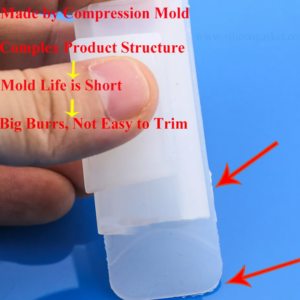
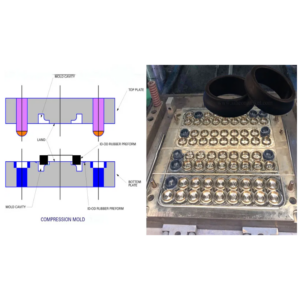
What is Compression Molding? Compression molding involves curing silicone rubber materials in a heated mold cavity under pressure. The process begins by placing preheated silicone material into the mold, which is then closed and subjected to heat and pressure. This method ensures that the material is thoroughly vulcanized, resulting in a dimensionally stable, high-quality rubber product suitable for a wide range of industrial applications.
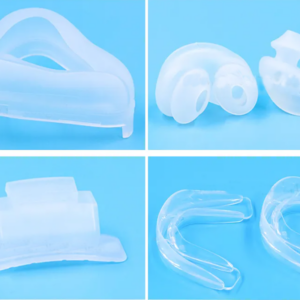
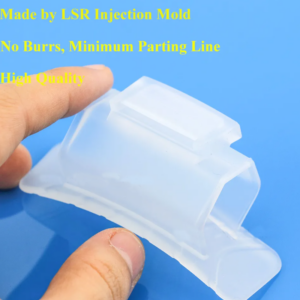
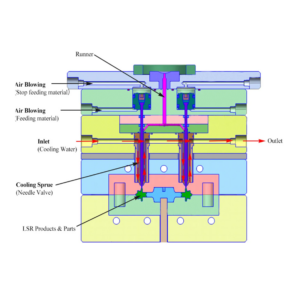
What is Injection Molding? Injection molding is a highly efficient manufacturing process where a heated liquid silicone compound is injected into a precisely closed mold cavity. The silicone is then vulcanized within the mold, resulting in a dimensionally stable and fully cured product with minimal post-processing required. This method is particularly well-suited for high-volume production of items such as LSR baby nipples, breast pump duckbills, medical components, automotive parts, gaskets, and other liquid silicone products.
The following are some key points to explain it.
Product Size and Precision: Injection molding is renowned for its high precision, with tolerances reaching as tight as 0.02 mm and minimal burr formation. This accuracy is achieved through the machine-controlled material feeding system, which regulates temperature, pressure, and injection methods. While compression molding is suitable for producing larger silicone rubber components, injection molding excels in manufacturing smaller parts with stringent tolerances.
Product Structure: Injection molding is particularly effective for producing parts with intricate designs, such as silicone forehead pads or medical silicone bellows. This method excels in maintaining high quality throughout the production cycle. In contrast, compression molding, while initially suitable for complex structures, often experiences a decline in product quality after approximately 1,000 shots. Issues such as significant flash and parting lines become more prevalent, leading to reduced mold longevity and overall effectiveness for high-volume production. Therefore, compression molding is typically reserved for simpler components, whereas injection molding is preferred for its ability to consistently manufacture complex parts with precision.
Product Wall Thickness: For products such as silicone bellows, achieving a wall thickness of 0.5mm is the practical limit for compression molding. When tolerances are within ±0.1mm, compression molding is generally adequate. However, for more stringent requirements, such as a wall thickness with a tolerance of ±0.05mm, Liquid Silicone Injection Molding is necessary to ensure precision and consistency.
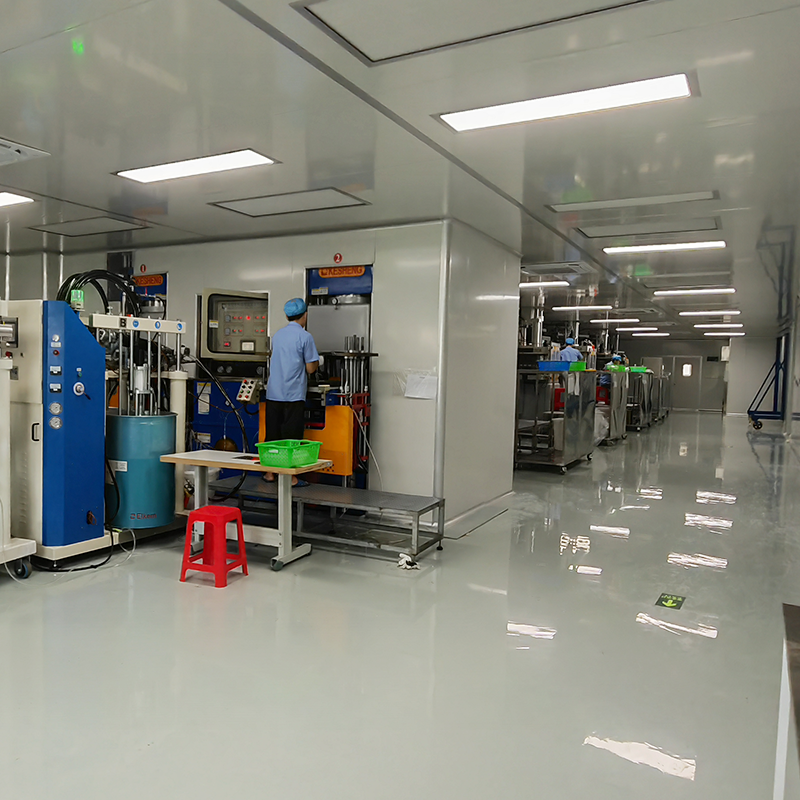
Production Time: Injection molding offers superior production efficiency compared to compression molding. Compression molding typically involves longer production cycles and requires manual trimming of excess burrs, which further extends the production time and increases labor intensity. In contrast, injection molding benefits from high automation potential, significantly reducing production time. The use of platinum-based vulcanizing agents accelerates the curing process, enhancing overall efficiency. Liquid Silicone Rubber (LSR) injection molding allows for automated production, with parts often ejecting directly from the mold. Additionally, mechanical arms can be employed to further streamline the handling and removal of finished parts, optimizing the production workflow.
Production Quantity: Injection molding is well-suited for high-volume production due to its automation capabilities and short cycle times. This method supports the efficient manufacture of large quantities of products. In contrast, compression molding is typically reserved for smaller to medium-sized production runs of larger items. For complex products requiring high quantities, compression molding often results in shorter mold lifespans, making it less ideal for extensive production needs.
Product Raw Material Safety: Liquid Silicone Rubber (LSR) offers superior safety and performance compared to solid silicone. LSR is purer and exhibits better elongation and tear strength, enhancing its safety profile. Unlike solid silicone used in compression molding, which often requires manual handling and the application of mold release agents that may pose risks, LSR is processed entirely by automated machinery, minimizing potential contamination.
LSR is resistant to bacterial growth and does not corrode or stain other materials. It can be fully cured, ensuring high biocompatibility and safety. The material is compatible with various sterilization methods, including steam autoclaving, ethylene oxide (ETO), gamma radiation, and e-beam techniques, and meets stringent safety standards such as BfR XV and FDA 21 CFR 177.2600. Its high purity also provides a natural transparency, making LSR ideal for direct and indirect food contact applications.
In summary, while injection molding and compression molding each have their advantages, the advantages of precision, consistency, speed, versatility, cost-effectiveness, and sustainability make injection molding the first choice for silicone products. Whether it’s complex medical devices, durable automotive parts or innovative consumer electronics, the benefits of silicone injection molding are undeniable. We hope this insight into the world of silicone molding processes has been informative, and we look forward to sharing more industry insights with you in the future. Until next time, stay curious and keep innovating!