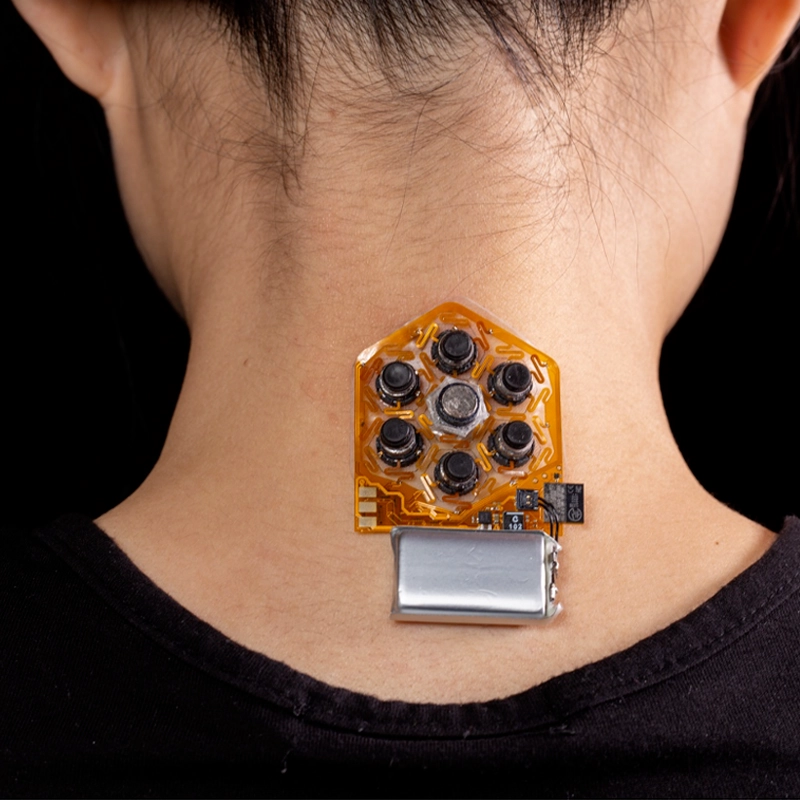
Wearable technology is all around us, from fitness trackers to smartwatches, and even smart clothes! But what’s the one material that seems to show up time and time again in these high-tech devices? You guessed it—silicone. You might be wondering, “Why silicone? Why not something else?” Well, sit tight, because we’re about to dive into the many reasons why silicone has become the go-to material for wearable tech, and why it’s not just a fleeting trend but a future-proof material that’s here to stay.
1. Silicone—The Unsung Hero of Wearable Tech
When it comes to wearable tech, comfort is king. Whether you’re sporting a fitness tracker while working out or wearing a smart ring to track your health metrics, you need a material that can stand up to the rigors of everyday use while feeling good on the skin. Enter silicone—a material that’s soft, flexible, and skin-friendly, making it perfect for devices that are meant to be worn all day, every day.
But silicone isn’t just about comfort. It’s also remarkably durable. Silicone bands for watches, for example, can withstand daily wear and tear, from getting splashed with water to being exposed to extreme temperatures. Plus, silicone is resistant to UV light and ozone degradation, so it won’t crack or discolor over time. In other words, it’s a material that doesn’t mind getting dirty or even soaking in sweat, and it’s still going to look fresh.
2. A Versatile Material with Limitless Applications
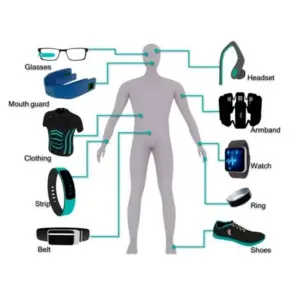
Silicone’s versatility extends far beyond just watch bands. It’s used in a wide variety of wearable devices, including medical monitoring devices, fitness trackers, and even smart textiles. The reason silicone is so widely used is that it can be engineered to meet a huge variety of requirements, including flexibility, resistance to heat, and the ability to withstand exposure to chemicals.
For example, when it comes to fitness wearables, silicone can be formulated to be highly flexible and stretchable, ensuring that your device moves as you move, without losing its shape or performance. Medical devices, on the other hand, require a higher level of biocompatibility, and silicone meets these standards with ease.

3. Silicone and Wearable Health Tech—A Match Made in Heaven
Another key factor driving silicone’s rise in wearable technology is its compatibility with health monitoring devices. Whether it’s a smartwatch measuring your heart rate or a fitness band tracking your calories burned, silicone is an ideal choice for these health-conscious gadgets. It is non-reactive, hypoallergenic, and resistant to bacteria, which is particularly important when devices are worn on the skin.
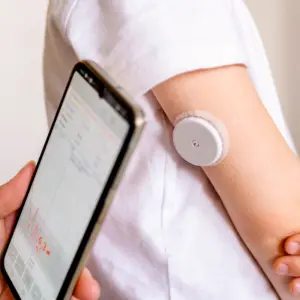
Silicone also plays a huge role in the growing field of medical wearables. Think about wearable ECGs (electrocardiogram devices) or continuous glucose monitors (CGMs)—the materials used in these devices need to be safe, comfortable, and able to endure the harsh conditions they might face in the medical field. Silicone meets all these demands, offering a balance of comfort and high functionality.
4. Sustainability in Silicone-Based Wearables
As sustainability becomes a growing concern across industries, silicone is emerging as a strong candidate for eco-conscious tech manufacturers. Unlike many plastics, silicone is made from silica (sand), which is abundant and renewable. It’s also non-toxic, meaning it doesn’t release harmful chemicals during production or use. Additionally, silicone can be recycled, though the infrastructure for silicone recycling is still in development. Manufacturers are working to make recycling silicone waste a viable option in the near future.
At SiliconeBase, we’re fully committed to creating high-quality silicone products for wearables that are both functional and eco-friendly. Our silicone materials are designed to last for years, and we’re always exploring ways to make the entire production process more sustainable.
5. What Makes Silicone So Special?
So, what exactly is it about silicone that makes it so special for wearable tech? First, let’s talk about its physical properties:
-
Flexibility: Silicone is incredibly flexible, which allows it to conform to the shape of the wearer’s body without losing integrity.
-
Durability: Silicone resists cracking, aging, and UV light, ensuring that wearable devices maintain their appearance and functionality for the long haul.
-
Waterproof: Let’s face it—wearable tech often faces exposure to water, whether it’s sweat, rain, or a dip in the pool. Silicone is water-resistant and can easily handle wet conditions.
-
Temperature Resistance: Whether it’s a blistering hot day or freezing cold, silicone can endure a wide range of temperatures without degrading.
These properties make silicone a prime candidate for wearable tech, as it ensures both comfort and longevity.

6. The Future of Silicone in Wearables—A Glimpse Ahead
So, what’s next for silicone in wearable tech? As we look to the future, we can expect to see even more advanced formulations of silicone that push the limits of what this material can do. For example, smart textiles embedded with silicone could monitor everything from muscle tension to skin hydration. Medical-grade silicones may be used to create flexible, wearable sensors that can monitor vital signs in real-time, revolutionizing the healthcare industry.
At SiliconeBase, we’re actively working on developing cutting-edge silicone solutions that will continue to drive innovation in the wearable tech market. From enhancing comfort to creating more sustainable and efficient wearables, the future of silicone in this space is incredibly promising.
Conclusion
Silicone has proven itself as the material of choice for wearable technology, offering a unique combination of flexibility, durability, and skin-friendliness. Whether it’s used in fitness trackers, smartwatches, or health-monitoring devices, silicone continues to be the material that drives innovation in the wearables market.
As we look ahead, silicone will undoubtedly remain a key player in the development of next-gen wearables, helping to create devices that are not only functional but also comfortable and eco-friendly. And here at SiliconeBase, we’re proud to be at the forefront of this material revolution, helping to shape the future of wearable technology.