
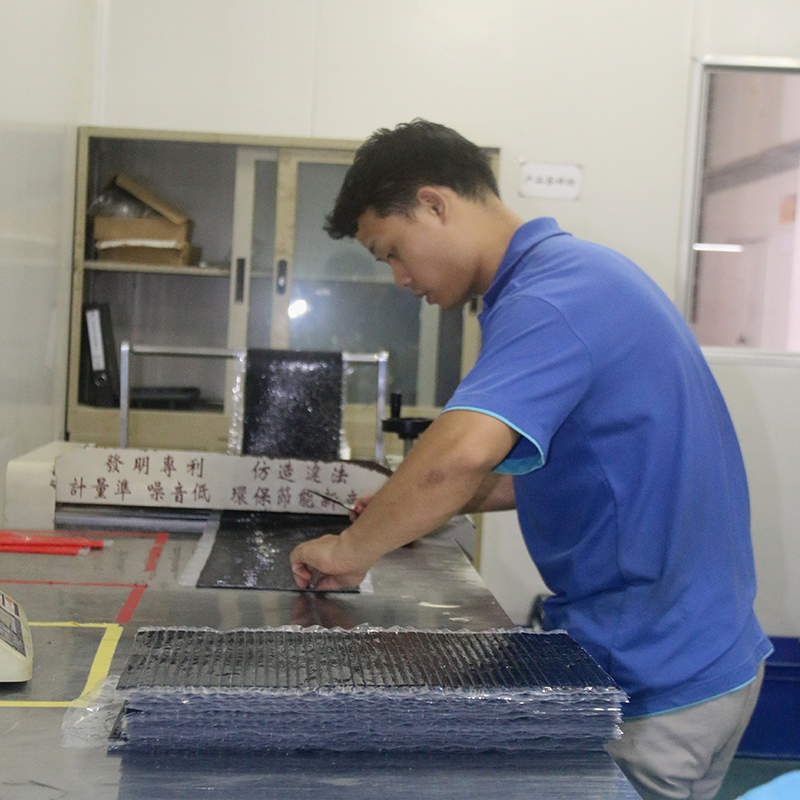
In the world of modern manufacturing, the ability to create custom parts with high precision and efficiency is essential. This is where silicone die cutting comes in. A versatile and cost-effective process, silicone die cutting offers an array of advantages that make it the preferred method for producing custom gaskets, seals, and other intricate silicone components. But why should manufacturers turn to silicone die cutting for their production needs? And what sets it apart from other manufacturing techniques?
As experts in silicone product manufacturing, we at Siliconebase provide one-stop service solutions that cater to a wide variety of industries. Whether you’re looking for high-precision components, fast production turnaround, or cost-effective mass production, silicone die cutting is an ideal option. In this blog, we’ll explore the silicone die-cutting process, its benefits, common machine types, and why this technique has become integral to many industries, from electronics to automotive and medical devices.
What is Silicone Die Cutting?
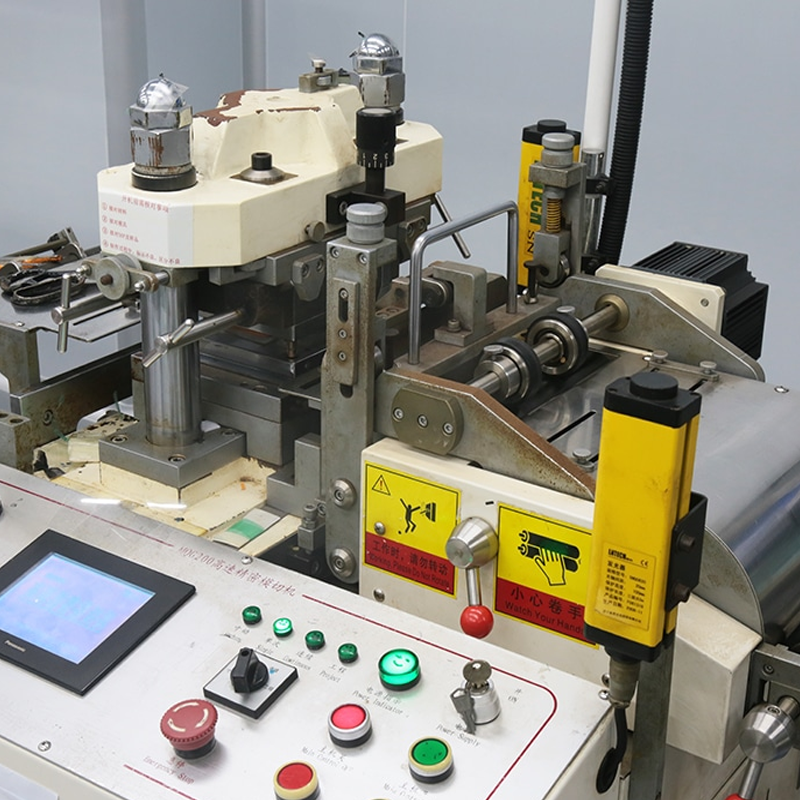
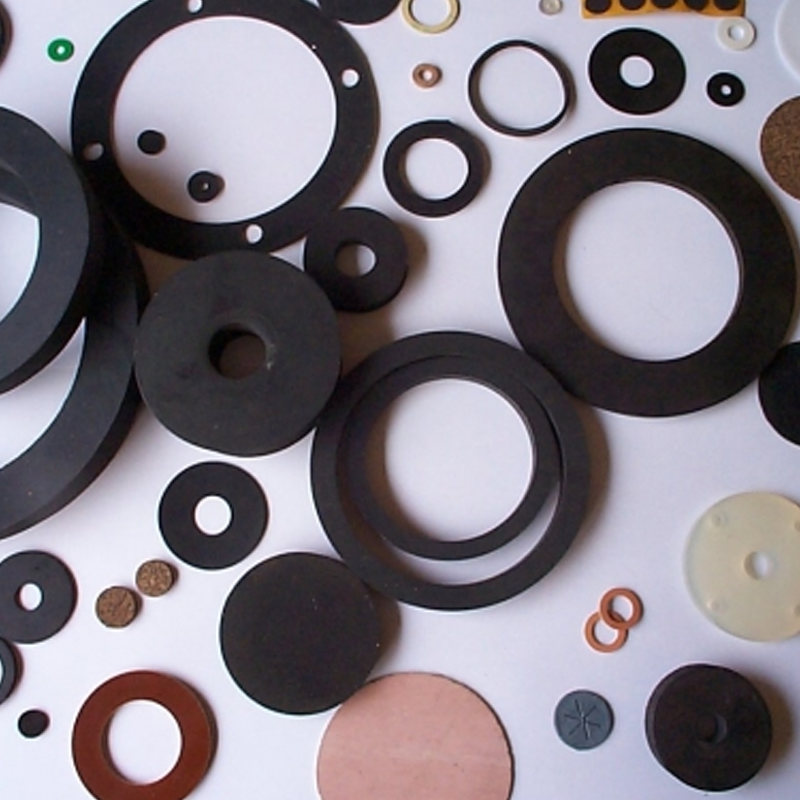
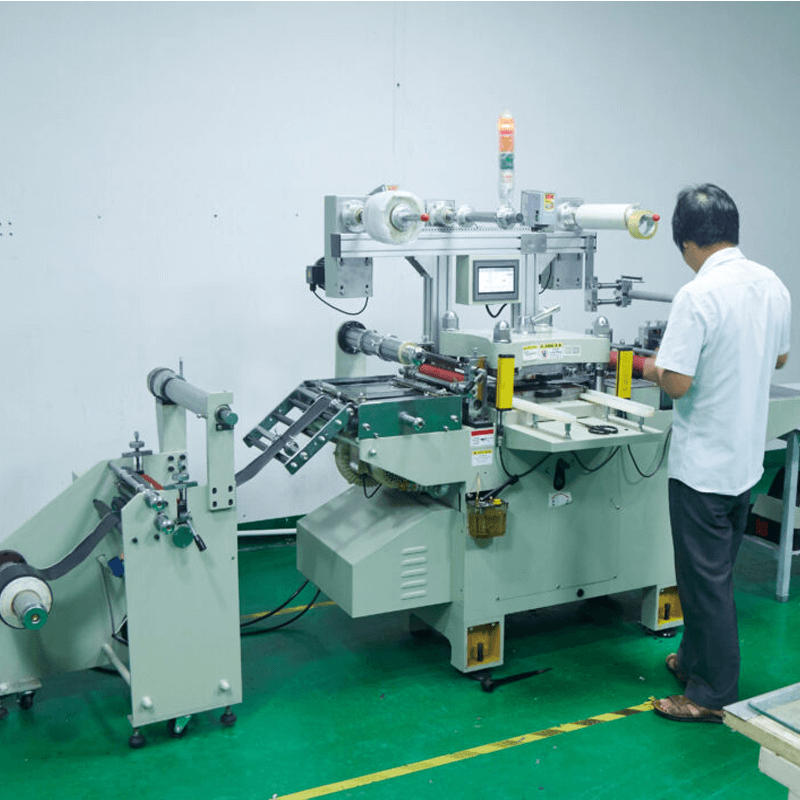
Silicone die cutting is a manufacturing process where a die (a custom-shaped tool) is used to cut silicone material into specific shapes and sizes. Typically, silicone sheets or rolls are placed into the die-cutting machine, and pressure is applied to cut the material according to the die’s shape. The result is a wide variety of products like gaskets, seals, washers, and labels, all of which require precise dimensions and consistent quality.
The die used in silicone die cutting can vary, depending on the material properties and desired output. There are different types of dies, including steel dies, etched dies, and engraved dies, each suited for different production volumes and accuracy requirements. The main goal of silicone die cutting is to ensure that the final part meets precise specifications, whether for small runs or large batches.
How Does Silicone Die Cutting Work?
- Design and Preparation:
The first step in the silicone die cutting process involves designing the die according to product specifications. At Siliconebase, we use advanced CAD software to design dies that meet the exact needs of our clients. Once the design is complete, the die is created using materials that match the desired production volumes and required precision. - Material Setup:
After the die is ready, silicone sheets or rolls are placed into the die-cutting machine. These materials are typically soft, flexible, and heat-resistant, which makes them ideal for industries like automotive, medical, and consumer electronics. - Cutting Process:
The die-cutting machine applies pressure to the silicone material, causing it to take the shape of the die. Depending on the machine used, the cutting process can be flatbed or rotary. Rotary die cutting is particularly efficient for large-volume runs because it allows for continuous cutting with minimal downtime. - Inspection and Finishing:
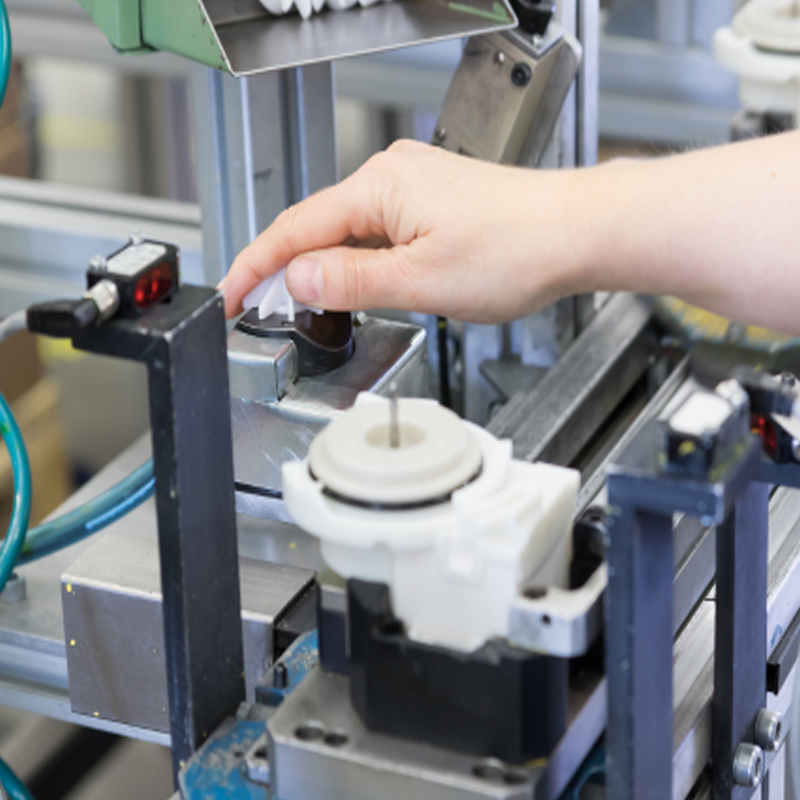
Once the cutting is complete, the excess material is removed, and the part undergoes a quality inspection. This ensures that the part meets the required dimensions and quality standards. At Siliconebase, we conduct strict inspections to ensure each part meets the highest standards of precision and functionality.
Benefits of Silicone Die Cutting
Silicone die cutting has become an essential process for many industries due to its numerous advantages. Here are some of the key benefits of this technique:
1. High Precision and Micro-Structure Capability
Silicone die cutting allows for extremely tight tolerances, often as low as ±0.01mm, making it ideal for ultra-precise components like gaskets, washers, and seals. The process can handle intricate designs and small parts with complex shapes or sharp corners that might be difficult to achieve using other methods, such as laser cutting.
For example, in applications like TWS earphone breathable membranes, silicone die cutting can create holes as small as 0.3mm ±0.02mm in foam silicone, ensuring optimal airflow and functionality.
2. Cost-Effective for Mass Production
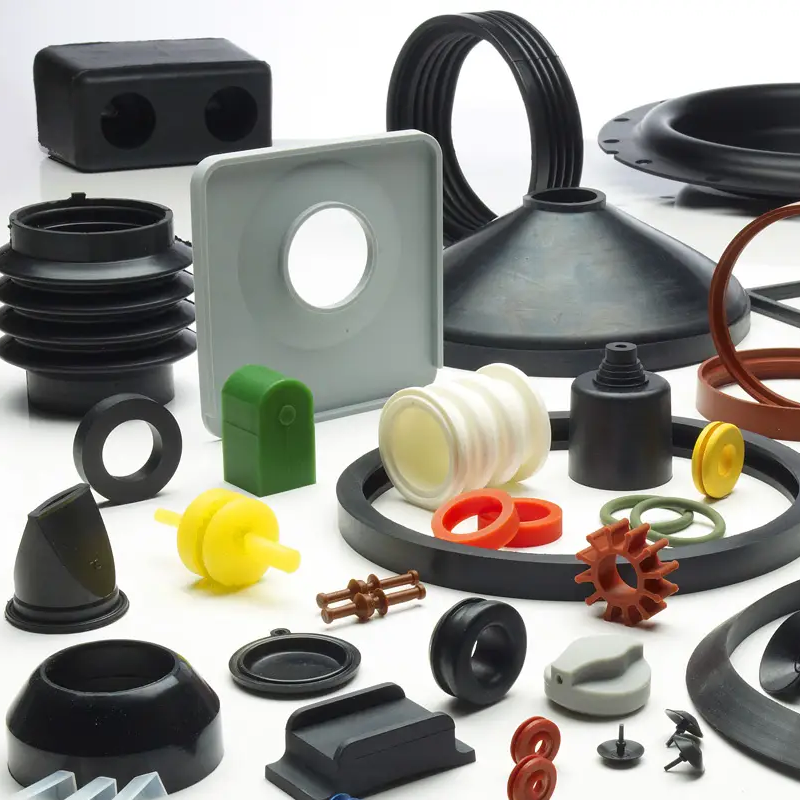
Silicone die cutting is highly cost-effective, especially for mass production. The process is incredibly fast, and a single machine can produce 8,000 to 12,000 parts per hour. This makes it ideal for large-scale runs, with a cost-effective solution that reduces material waste and energy consumption.
Compared to other cutting methods like CNC machining or 3D printing, silicone die cutting offers much quicker changeover times (typically only 15 minutes), making it a top choice for manufacturers looking to streamline production and minimize costs.
3. High Material Utilization and Low Waste
Silicone die cutting uses a thin wire or blade to cut the material, which results in minimal waste. The narrow cut width allows for high material utilization, making it an environmentally-friendly option that reduces scrap material. At Siliconebase, we work with clients to ensure that every piece of silicone is used efficiently, reducing costs while maintaining high-quality output.
4. Flexibility in Design and Customization
One of the key advantages of silicone die cutting is its flexibility in design. This process allows for a wide variety of shapes, including custom sizes and thicknesses, and can accommodate a broad range of materials. Whether you’re designing a custom gasket, seal, or other silicone part, die cutting allows for quick adjustments to meet evolving product specifications.
5. Minimal Heat-Affected Zones
Unlike laser cutting or other heat-based processes, silicone die cutting produces no heat-affected zone, which helps preserve the material’s properties. This is especially important for sensitive materials that can degrade or change properties when exposed to high temperatures. The non-contact nature of silicone die cutting ensures that the material remains stable and maintains its integrity.
Common Applications of Silicone Die Cutting
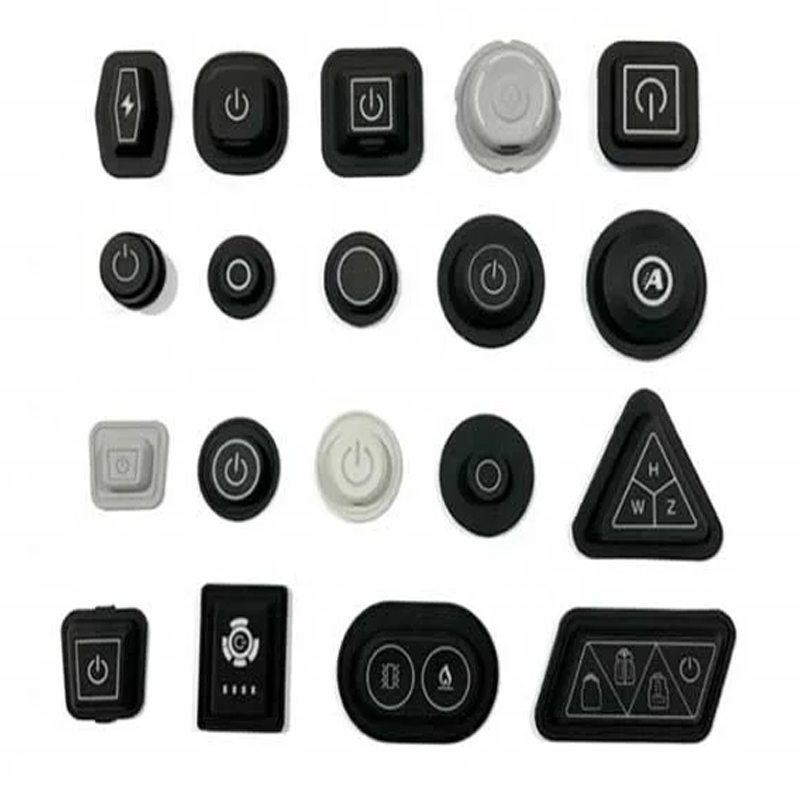
Silicone die cutting is used in a wide variety of industries due to its precision, efficiency, and versatility. Here are some of the most common applications:
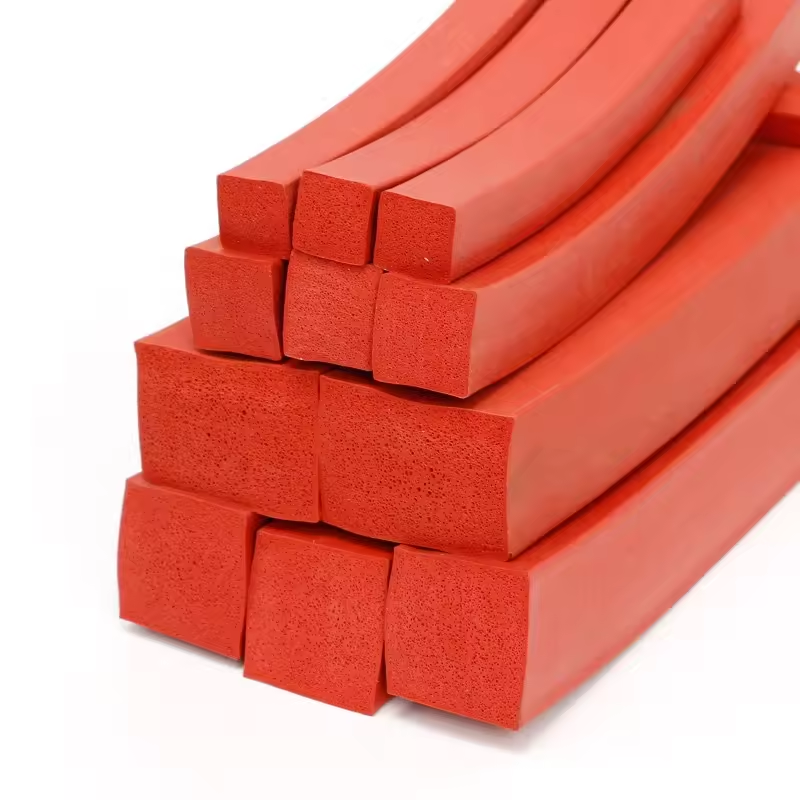
- Automotive: Silicone die cutting is often used for producing gaskets, seals, insulation strips, and other components that require high heat resistance and durability.
- Medical Devices: From surgical seals to gaskets for medical devices, silicone die cutting plays a crucial role in creating custom parts for healthcare applications.
- Electronics: With the rise of smaller, more powerful devices, silicone die cutting is essential for producing seals and gaskets in electronics, such as smartphone waterproofing seals and sensor housings.
- Consumer Products: Silicone die cutting is used for a wide range of consumer products, including wearable devices, kitchen accessories, and toys.
- Aerospace and Defense: The high precision and reliability of silicone die cutting make it ideal for producing complex parts in the aerospace and defense industries.
Choosing the Right Die Cutting Machine
When selecting a die cutting machine for silicone products, manufacturers must consider several factors, including the required precision, production volume, and material properties. There are several types of die cutting machines, each suited for different applications:
- Manual Die Cutting Machines: These are suitable for low-volume, custom orders. While they are more affordable, they are also slower and less accurate than automated machines.
- Mechanical Automatic Die Cutting Machines: These machines are ideal for medium to high-volume production, offering repeatable accuracy and high-speed cutting for a variety of silicone materials.
- Rotary Die Cutting Machines: For large-scale, continuous production, rotary die cutting machines provide the fastest production speeds and highest output, making them ideal for high-volume orders.
Conclusion
Silicone die cutting offers significant advantages for manufacturers looking to produce high-quality, cost-effective silicone parts. Whether you need precision gaskets, seals, or custom-shaped components, silicone die cutting provides a reliable and efficient solution for a wide range of applications. At Siliconebase, we offer OEM services and custom solutions to meet your unique manufacturing needs. With our one-stop service, we provide everything from design consultation to production, ensuring that your silicone products meet the highest standards of quality and performance.
If you’re looking for a reliable supplier for your silicone die-cutting needs, don’t hesitate to contact us. Our team of experts is ready to provide tailored solutions and help streamline your production process.