
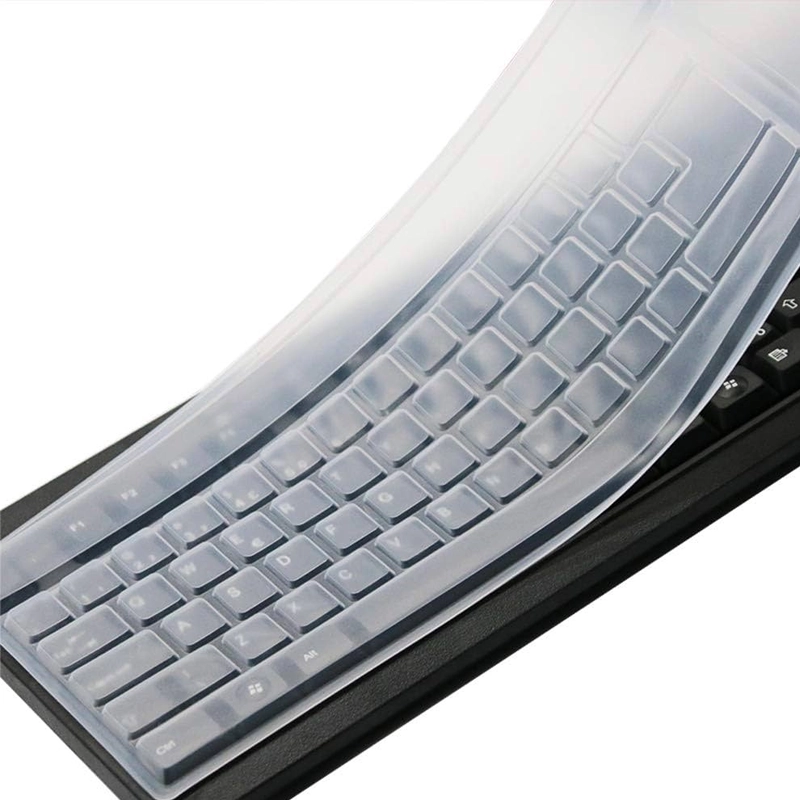
At Siliconebase, we help brands, distributors, and OEM buyers develop reliable custom silicone rubber keyboard cover solutions for laptops, desktops, medical equipment, industrial devices, and office electronics. A keyboard cover may look simple, but producing a durable, precise, and high-quality one requires a controlled manufacturing process, stable raw materials, accurate tooling, and careful quality inspection. For B2B buyers, understanding how these products are made is the best way to evaluate suppliers and choose the right factory partner.
Silicone keyboard covers are popular because they help protect keyboards from dust, liquid spills, oil, dirt, and daily wear. They also improve product presentation, support branding, and can be customized for different languages, layouts, and device models. That is why many companies look for a dependable manufacturer that can offer both standard production and fully customized OEM support.
Why Silicone Is Used for Keyboard Covers
Silicone is the preferred material for keyboard covers because it combines flexibility, softness, transparency, and resistance to heat and aging. A good silicone cover conforms closely to the shape of the keyboard without affecting key travel too much. It also remains stable under repeated use and is easy to clean.
For buyers focused on high quality, silicone is attractive because it can be produced with fine detail, consistent thickness, and excellent tactile performance. It also supports a wide range of custom colors, surface textures, and branding options, which makes it ideal for private-label and OEM programs.
Step 1. Product Design and Engineering
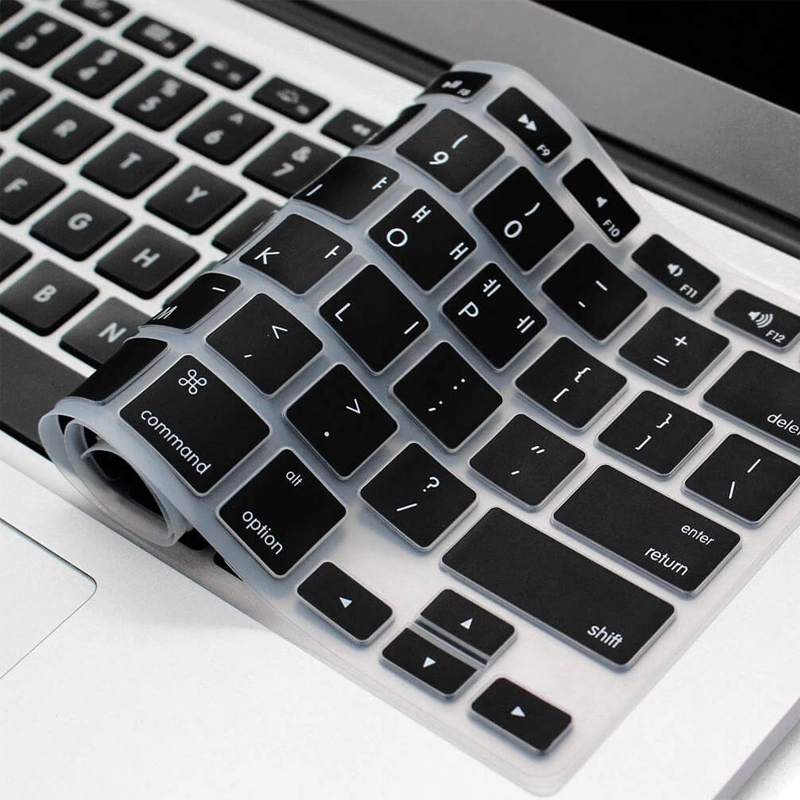
The first step in the production process is product design. Engineers start by reviewing the keyboard model, key layout, dimensions, and intended use environment. A cover for a consumer laptop, for example, may require a thinner profile and more transparent material, while a cover for industrial equipment may need stronger durability and chemical resistance.
At this stage, the manufacturer will typically confirm:
Keyboard layout and compatibility
The cover must match the exact key arrangement and device dimensions. Even small errors can cause poor fit or interfere with typing performance.
Material thickness
Thickness affects flexibility, softness, durability, and how well the cover stays in place.
Branding and visual requirements
Some customers want logos, icons, or special colors. Others want a clean, transparent design that preserves the original look of the keyboard.
This is where working with experienced suppliers matters. A skilled partner can translate the design into a manufacturable product before tooling begins.
Step 2. Mold Development and Tooling
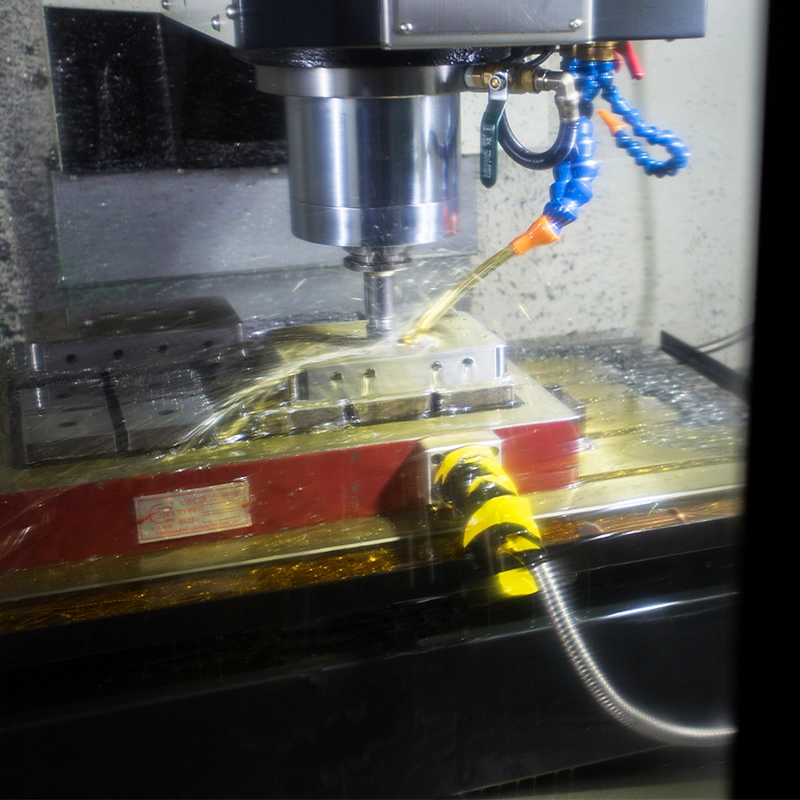
Once the design is approved, the factory creates a precision mold. This is one of the most important parts of the process because the mold determines the final shape, key spacing, edge fit, and overall product consistency.
For a custom silicone rubber keyboard cover, the mold must capture fine details with high accuracy. A professional mold design helps ensure the cover fits each key properly while maintaining good tactile feel. If the mold is poorly made, the result can be warped edges, uneven key impressions, or a cover that shifts during use.
Tooling is often completed using CNC machining and other precision processes. A reliable factory will inspect the mold carefully before moving to production, since the quality of the tooling directly affects the quality of every finished part.
Step 3. Silicone Material Preparation
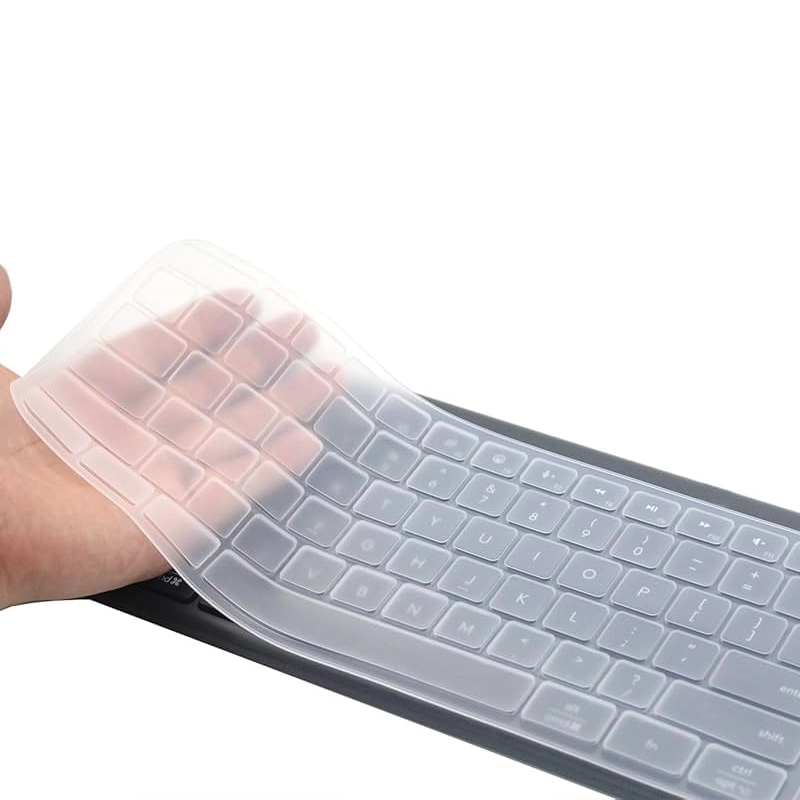
The next step is preparing the silicone compound. Depending on the project, the manufacturer may use liquid silicone rubber or another suitable silicone formulation. The chosen material must provide the right balance of softness, elasticity, tear strength, and clarity.
For high-quality production, raw materials must be stable and properly mixed. Any inconsistency can affect the final product’s appearance or performance. This is especially important for keyboard covers that need to remain thin, durable, and visually clean.
Step 4. Molding and Forming
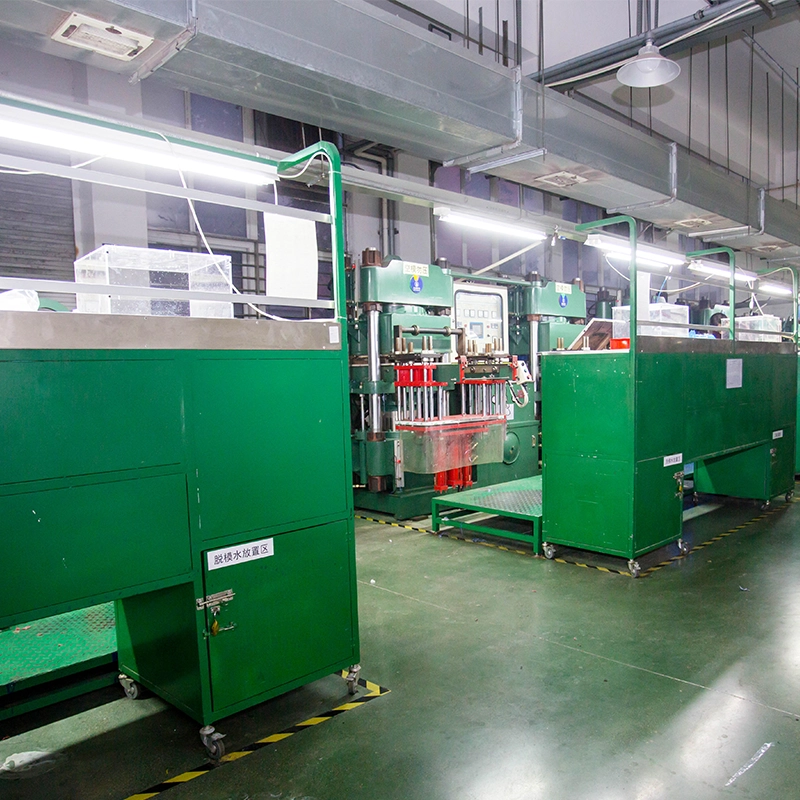
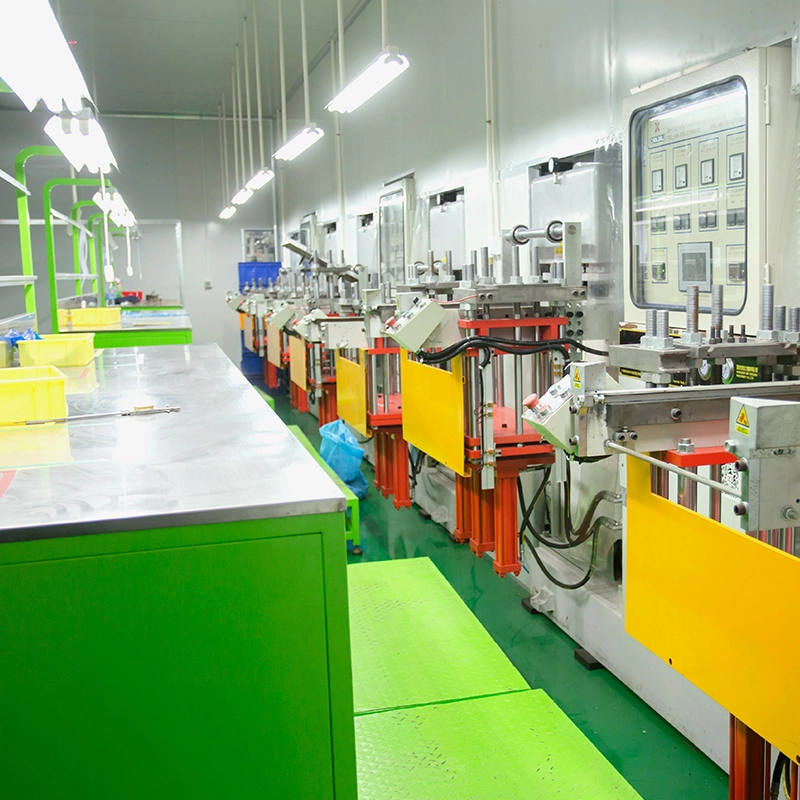
After the material is prepared, the silicone is shaped using a molding process. Compression molding or injection molding may be used depending on the product design and production volume.
During molding, heat and pressure are applied so the silicone takes the shape of the mold cavity. This step requires tight control because the final thickness and structure must remain uniform across the entire cover. For thin products like keyboard covers, precision is critical.
A good manufacturing process ensures that the cover:
Fits accurately
The product should align with the keyboard layout without stretching or sagging.
Maintains consistent thickness
Uniform thickness helps preserve flexibility and durability.
Delivers a clean surface finish
A smooth, clean surface improves appearance and comfort.
Step 5. Trimming and Finishing
After molding, the cover is trimmed to remove excess material and refine the edges. This step helps improve fit and appearance. Some products may also receive additional finishing work, such as surface polishing, matte treatment, or branding.
If the customer requests a branded custom silicone rubber keyboard cover, finishing may also include logo printing, color matching, or other visual enhancements.
Step 6. Quality Control and Inspection
Quality control is one of the most important stages in the entire process. A high quality keyboard cover must pass inspection before shipment. The factory should check for:
Dimensional accuracy
The cover should match the keyboard layout correctly.
Surface quality
No bubbles, scratches, uneven areas, or contamination should be present.
Material performance
The silicone should be flexible, durable, and resistant to cracking or deformation.
Fit and usability
The cover should stay in position and allow the user to type comfortably.
A trusted manufacturer will perform both visual and functional checks so customers receive a product that meets their expectations.
Step 7. Packaging and Delivery
Once approved, the keyboard covers are cleaned, packed, and prepared for delivery. Packaging may be customized depending on the customer’s market, retail strategy, or shipping requirements. Some buyers need bulk packaging, while others want branded retail boxes or insert cards.
This is where a complete OEM partner adds value. Instead of coordinating with multiple vendors, buyers can rely on one factory to manage production, inspection, packaging, and export handling.
Why Buyers Choose Siliconebase
At Siliconebase, we support customers who need reliable silicone keyboard cover solutions with stable quality and repeatable results. Our team works with global clients who are looking for a dependable manufacturer that can handle design support, mold development, production, and packaging under one roof.
If you are comparing suppliers for your next project, choosing the right factory partner can make a major difference in lead time, quality, and total project cost. A well-managed manufacturing process reduces risk and helps ensure that the final product performs as expected in the market.
Conclusion
The silicone keyboard cover manufacturing process involves more than simply molding a soft material. It requires thoughtful design, precise tooling, proper material selection, controlled molding, careful trimming, and strict inspection. When all of these steps are handled correctly, the result is a durable, comfortable, and professional product that protects keyboards and supports long-term use.
If you are developing a custom silicone rubber keyboard cover project, Siliconebase would be glad to help. Share your keyboard model, target market, and customization requirements with us, and our team can review your idea and discuss the best production approach for your needs.