
Are you evaluating check valves for a new product and unsure whether an umbrella-style elastomeric valve or a conventional mechanical check valve is the right fit? At Siliconebase, our factory fields that question daily from OEMs in medical, food-packaging, automotive, and consumer-product markets. In this post, written from the perspective of a production-focused manufacturer, we’ll compare umbrella check valves and traditional check valves across design, performance, manufacturability, and real-world applications — and show how proper selection, valve design, and ketchup valve injection molding or other silicone molding strategies can make the difference between a reliable, leak proof valve and recurring field failures. If you need a tailored solution, our custom service and OEM capabilities are built to take your valve from concept to validated production.
What each valve is — a concise technical primer
Conventional check valves (ball, poppet, or disc types) are mechanical assemblies: a rigid body houses a moving closure element (ball, disc, or poppet) often against a seat and sometimes preloaded by a spring. They are designed to handle wide flow ranges and higher pressures. When forward pressure exceeds the cracking pressure, the element moves, opening the flow path; on reverse flow the element reseats to prevent backflow.
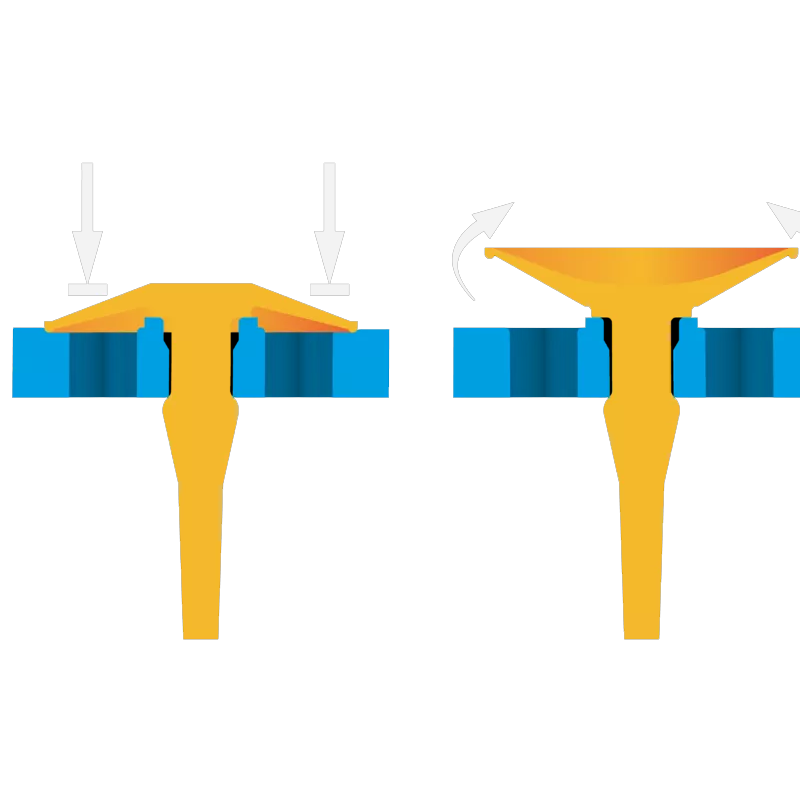
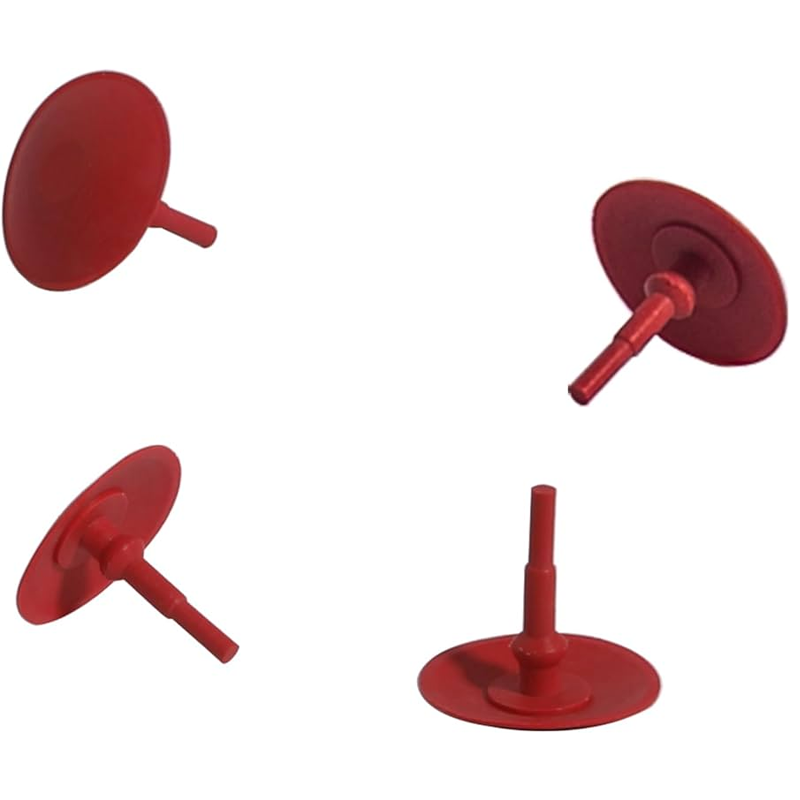
Umbrella check valves are elastomeric, normally-closed valves formed from a single flexible membrane shaped like an umbrella or skirt. The elastomer itself provides both the seal and the restoring force — no metal springs or separate moving parts are required. Forward pressure lifts the membrane to permit flow; when pressure falls or reverses, the membrane snaps back to the seat to seal.
Key performance differences
Cracking pressure and sensitivity
- Umbrella valves typically have ultra-low cracking pressures (often well under 2 psi), making them ideal for micro-flow and low-pressure systems (medical lines, small pneumatic circuits, condiment dispensers).
- Conventional valves rely on spring or gravity and are available across a much broader cracking pressure range — from low to very high — and are better suited to systems with higher pressures or where precise setpoints are required.
Seal behavior and leak tightness
- A well-designed umbrella membrane made from food-grade silicone or fluoroelastomers will deliver excellent sealing for low-pressure, pulsatile flows — often qualifying as a true leak proof valve for many applications. Their continuous seat contact minimizes micro-leak paths common in complex mechanical assemblies.
- Conventional valves can deliver robust sealing under high backpressures and harsher environmental conditions, but sealing performance depends on mechanism complexity, material compatibility, and seat wear over time.
Noise, wear, and maintenance
- Because umbrella valves lack metal moving parts and springs, they are effectively silent and maintenance-free for millions of cycles in properly selected service envelopes. This makes them ideal for disposable or maintenance-sensitive products.
- Mechanical check valves can generate clicking or chatter in pulsatile systems and require periodic inspection, particularly in abrasive or particulated fluids.
Size, weight, and integration
- Umbrella valves are compact and can be overmolded or molded directly into manifolds — an advantage when minimal assembly and low package volume are priorities. Overmolding or ketchup valve injection molding processes allow the valve to be molded as a monolithic component, reducing part count and assembly cost.
- Conventional valves are bulkier and usually installed as threaded, flanged, or push-fit components; they are better suited where space is available and mechanical robustness is needed.
Materials and chemical compatibility
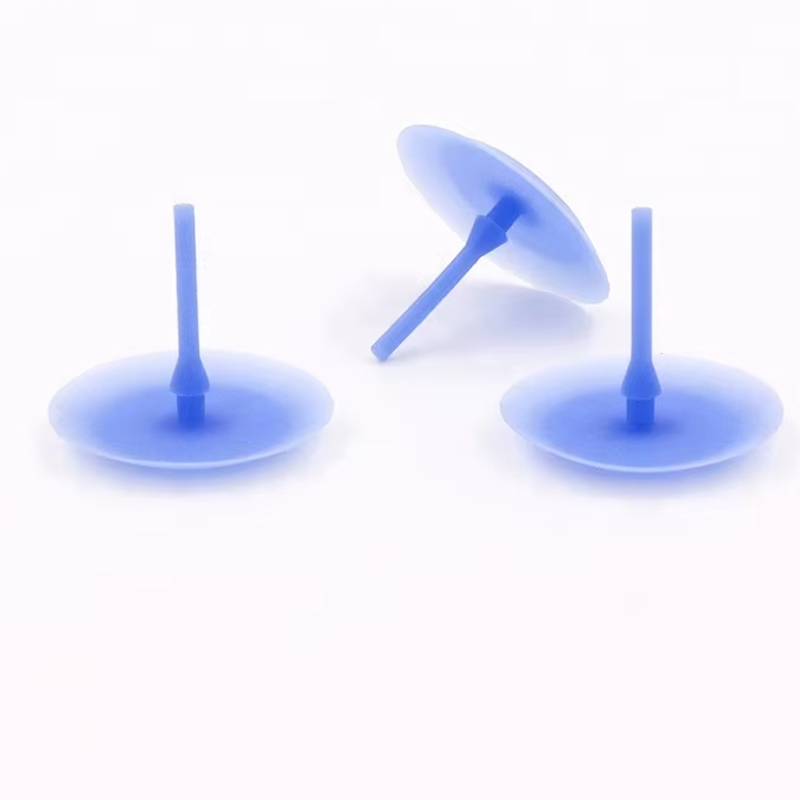
Silicone and engineered elastomers (EPDM, FKM/Viton, medical-grade silicones) are common umbrella valve materials. Silicone offers excellent biocompatibility, wide temperature range, and resistance to many food and cosmetic fluids, which is why it’s frequently used in one way silicone valve designs and ketchup or condiment dispensers.
Metallic and polymeric bodies for conventional check valves commonly use stainless steel, brass, or engineering plastics (PPS, PEEK) depending on pressure, fluid chemistry, and regulatory constraints. When chemical resistance and high-temperature service are essential, selecting the correct elastomer or metal alloy is key.
Manufacturing: why molding method matters
For umbrella valves the manufacturing route profoundly impacts performance and cost:
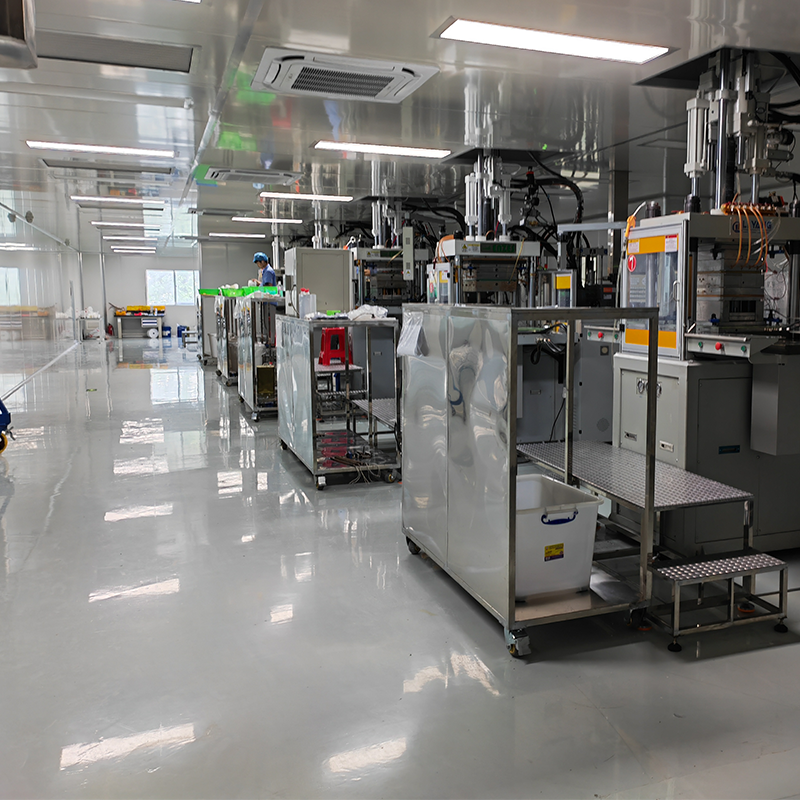
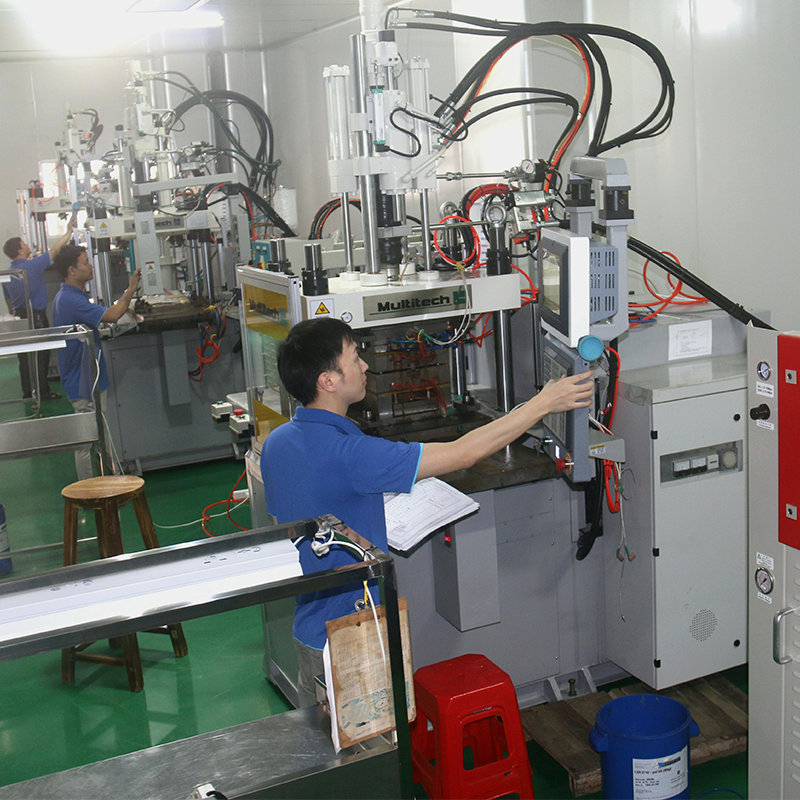
- Liquid Silicone Rubber (LSR) injection molding is the preferred method for high-volume, medical-grade umbrella valves. LSR enables tight dimensional tolerances, excellent surface finish, and the ability to run high cavity counts for low per-piece cost. It is the go-to choice for ketchup valve injection molding when the product must meet food-grade certifications.
- Compression or transfer molding may be suitable for lower volumes or large-diameter valves but typically lacks the cycle efficiency and precision of LSR.
- Integration through overmolding — molding the valve directly onto a plastic housing or manifold — eliminates assembly steps and creates a robust, sealed interface. Siliconebase’s factory routinely combines valve molding and overmolding as part of our one-stop service for OEMs.
For conventional check valves, precision machining, assembly of metal/plastic bodies, spring selection, and seal insert molding are typical steps. These valves demand more assembly labor and part traceability but perform well in heavy-duty roles.
Applications: where each valve excels
Umbrella check valve — best fit:
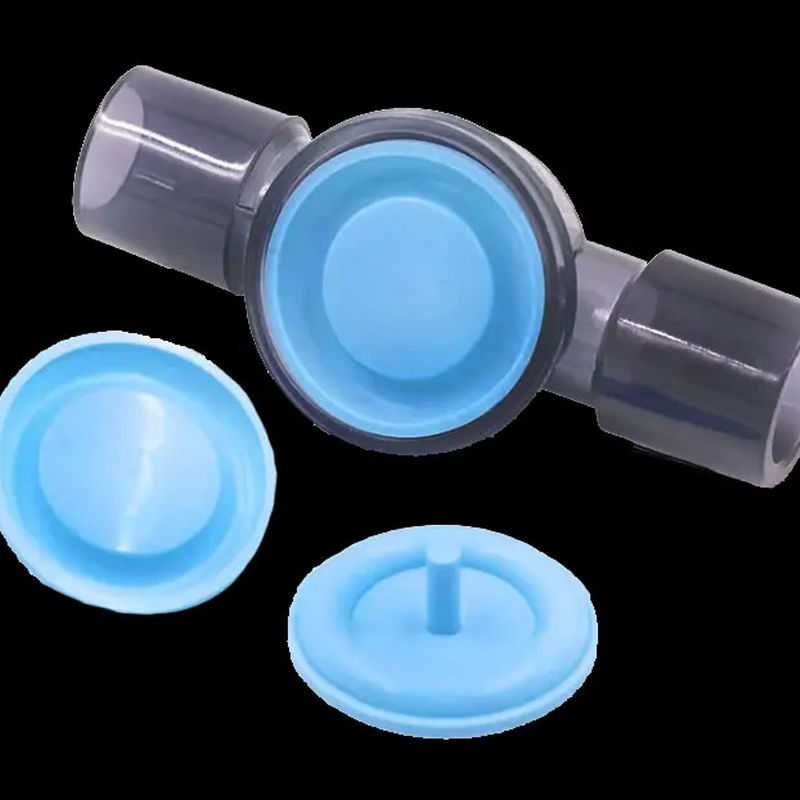
- Medical devices (respirators, infusion sets) where low cracking pressure and biocompatibility are essential.
- Food and dispensing systems (ketchup/sauce dispensers, beverage valves) — especially when ketchup valve injection molding is used to mold the elastomer directly into the dispenser head.
- Small pneumatic or vacuum circuits and consumer products that prioritize quiet operation and compact packaging.
- Disposable or single-use cartridges and manifolds.
Conventional check valve — best fit:
- High-pressure hydraulic systems, industrial piping, and high-flow HVAC or water systems.
- Applications requiring precise valve setpoints at elevated pressures, high wear resistance, or metal compatibility.
- Process and plant systems where in-line replacement and standard fittings (flanges, threads) are required.
Design and selection guide for engineers
When choosing a valve, consider these practical design criteria:
- Pressure range and cracking pressure — pick umbrella valves for <5 psi crack requirements and mechanical check valves for higher pressures.
- Fluid characteristics — abrasive or particulate fluids typically favor conventional metal-bodied valves; clean food, pharma, or gas flows can use elastomeric umbrellas.
- Regulatory needs — medical and food applications demand certified materials (FDA, LFGB); Siliconebase can source and validate compliant LSR grades.
- Integration & assembly — if low part count and overmolding are priorities, a molded umbrella one way silicone valve is efficient.
- Lifetime & maintenance — choose umbrella valves for maintenance-free, high-cycle applications and mechanical valves when reparability and ruggedness are critical.
- Custom service & scaling — for specialized cracking pressures, valve profiles, or integrated housings, engage a manufacturer early. Siliconebase offers OEM custom service from prototype tooling to high-volume production.
Testing, validation, and quality
At the factory level, valve validation includes leakage testing (static and dynamic), cracking pressure verification, lifecycle cycling, chemical compatibility assessments, and biocompatibility or food-contact testing when applicable. We provide documented test reports and production traceability as part of our OEM offerings.
Closing — pick the right valve with the right partner
Choosing between an umbrella check valve and a conventional check valve is an engineering tradeoff — sensitivity and compact integration versus pressure tolerance and mechanical robustness. At Siliconebase, we combine design-for-manufacture expertise, ketchup valve injection molding capabilities, and a full one-stop service to develop one way silicone valve and elastomeric solutions that meet your exact performance, regulatory, and production goals. If you need a leak proof valve, custom cracking pressure, or an overmolded valve assembly, contact our engineering team. We’ll evaluate your application, propose materials and molding strategies, and deliver an OEM-ready solution optimized for performance and manufacturability.