
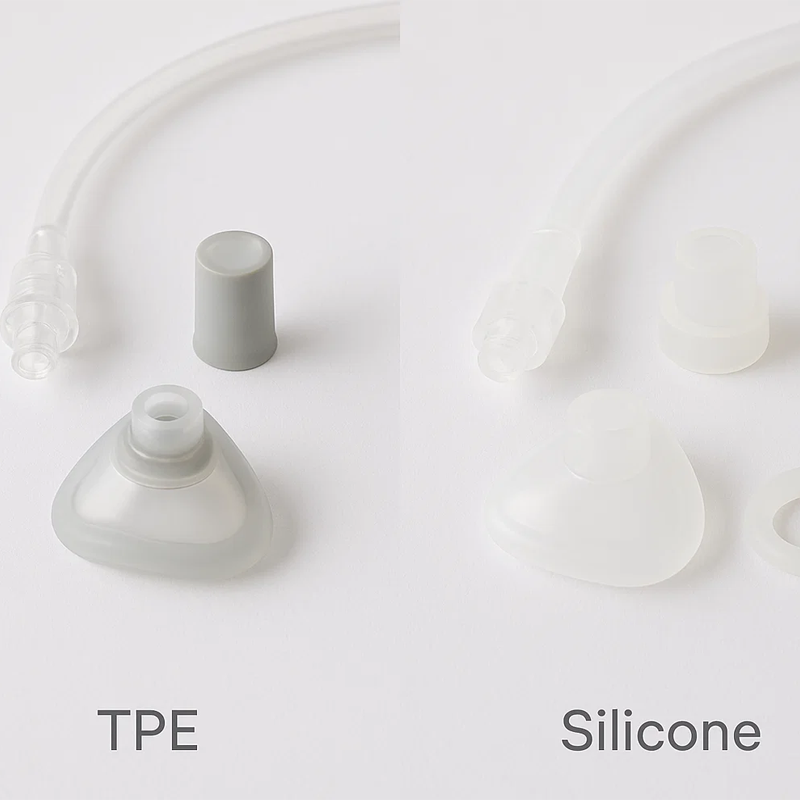
When designing parts for the medical industry, manufacturers are often presented with a variety of materials to choose from. One material that stands out due to its versatility, biocompatibility, and excellent performance in medical applications is liquid silicone rubber (LSR). This material is not only durable and flexible but also soft to the touch and, importantly, biocompatible, making it the preferred choice for a wide range of medical components, from catheters to prosthetic devices. But with the growing popularity of additive manufacturing, many designers are now wondering whether they should opt for traditional plastic injection molding or explore the potential of 3D printing for their silicone-based parts.
At Siliconebase, a leading supplier and manufacturer specializing in high-quality silicone products, we understand the importance of selecting the right production method. As part of our one-stop service, we work closely with our customers to guide them through the decision-making process, ensuring that they receive custom services tailored to their unique requirements. Whether you’re designing a prototype or scaling up for mass production, it’s essential to weigh the advantages and limitations of each approach carefully. In this blog, we will explore the specifics of LSR, the benefits of both injection molding and 3D printing, and how Siliconebase can assist in selecting the most efficient manufacturing process for your project.
Why Is LSR a Go-To Material for Medical Applications?
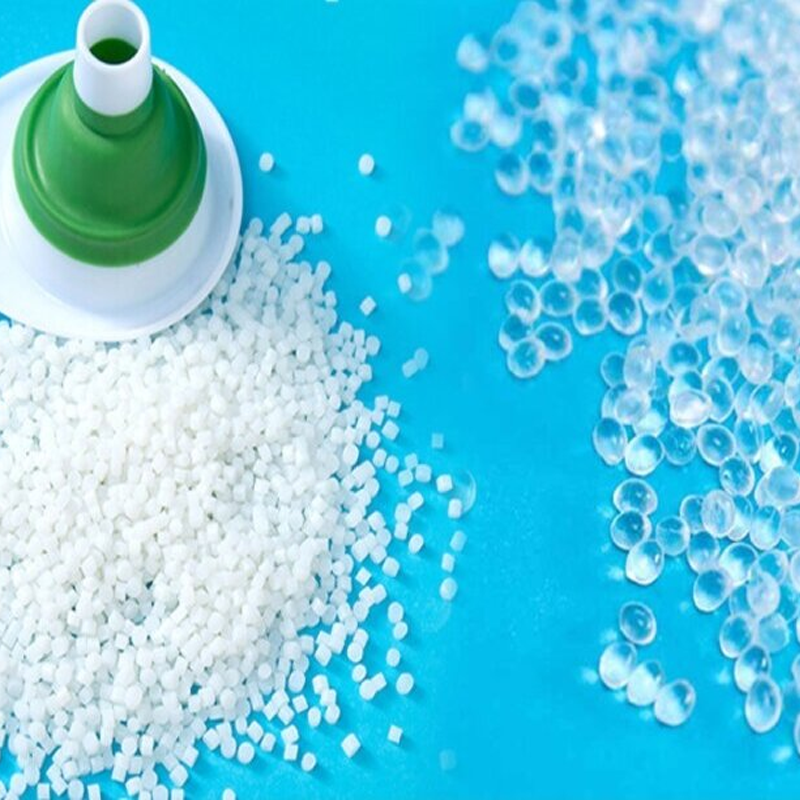
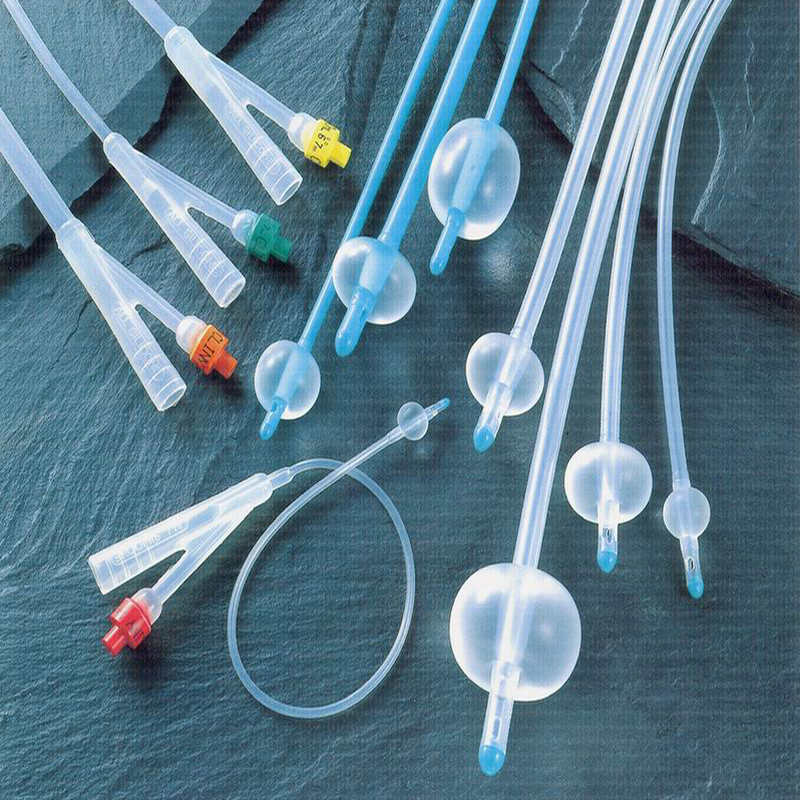
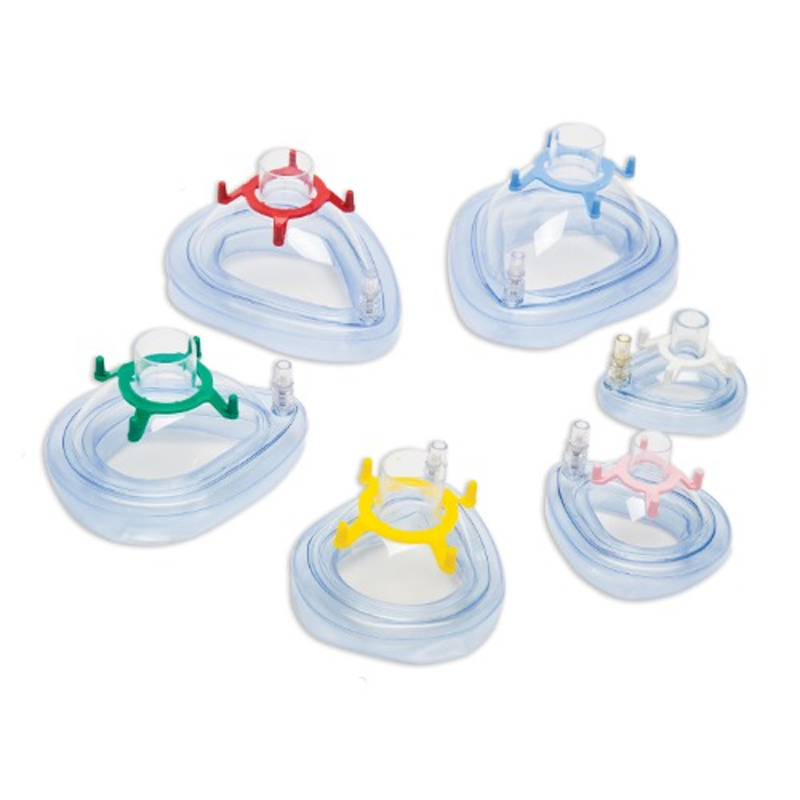
Liquid Silicone Rubber (LSR) is particularly favored in the medical sector for its exceptional flexibility, resistance to high temperatures and chemicals, and most importantly, its biocompatibility. These qualities make it ideal for applications such as prosthetics, catheters, breathing tubes, and insulin pumps, where durability, safety, and comfort are crucial. Additionally, LSR is often used in wound dressings, valve seals, and other critical components that require consistent performance under a variety of conditions.
Medical-grade LSR is produced using a platinum-based catalyst that ensures the material is free from any harmful by-products. This curing method eliminates the residues that are common in other forms of silicone and ensures that the material meets stringent FDA approval and ISO 10993 standards. At Siliconebase, we take the extra steps necessary to ensure that our medical-grade LSR products are manufactured according to the highest safety and quality standards, making them suitable for direct or indirect contact with the human body.
Comparing Silicone and Thermoplastic Options for Manufacturing
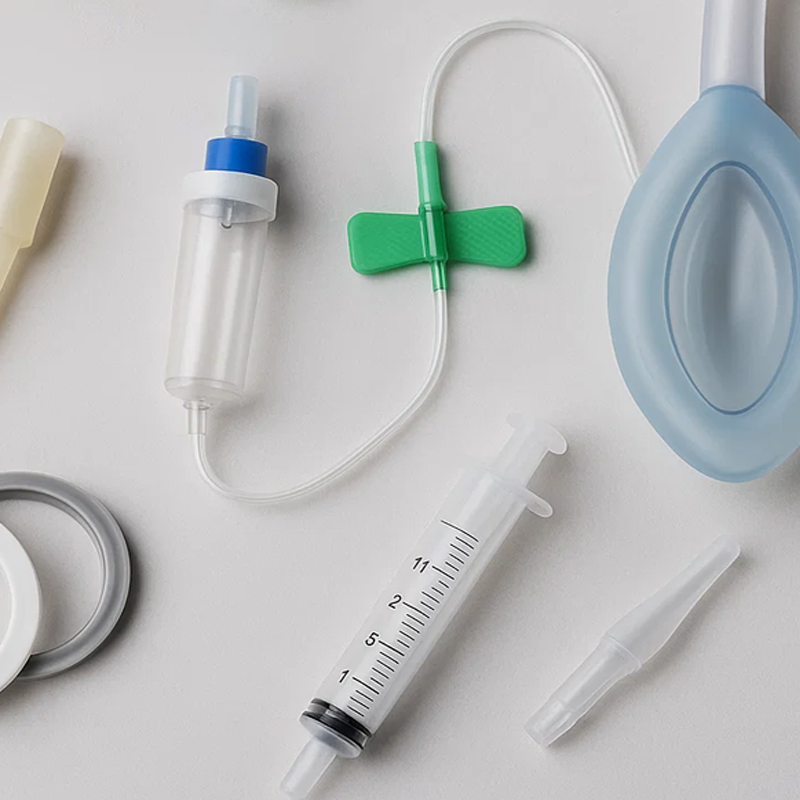
The decision to use LSR or explore alternative materials often depends on the specific requirements of the application. For example, thermoplastic elastomers (TPE) and thermoplastic polyurethane (TPU) are commonly used as alternatives to LSR due to their similar properties, such as flexibility and durability. However, these materials often fall short in certain areas when compared to LSR, particularly in terms of biocompatibility and chemical resistance.
To better understand how LSR compares with these thermoplastic options, here’s a comparison based on key properties:
| Property | LSR | TPE | TPU |
|---|---|---|---|
| Biocompatibility | Excellent | Good | Good |
| Chemical Resistance | Excellent | Good | Excellent |
| Durability | Excellent | Good | Excellent |
| Flexibility | Excellent | Good | Good |
| Temperature Resistance | Excellent | Good | Excellent |
| Toxicity | Very low | Low | Low |
As shown, LSR is superior in terms of biocompatibility and chemical resistance, making it the preferred choice for medical applications where safety and durability are paramount.
3D-Printed Silicone and Its Benefits
While plastic injection molding remains the most common method for producing LSR parts, 3D printing has emerged as a viable alternative for certain applications, particularly in prototyping and low-volume production. However, 3D-printed silicone presents its own set of challenges due to the material’s high viscosity and specialized curing requirements.
One of the latest innovations in the 3D printing world is Silicone Additive Manufacturing (SAM). Developed by Spectroplast AG, SAM is the first 3D printing technology that can print medical-grade silicone, known as TrueSil, with high resolution and surface finish comparable to injection-molded LSR. This new technology is revolutionizing the way medical components are designed and produced. SAM allows for highly complex designs and faster turnaround times, making it ideal for small-batch production or parts that require rapid prototyping.
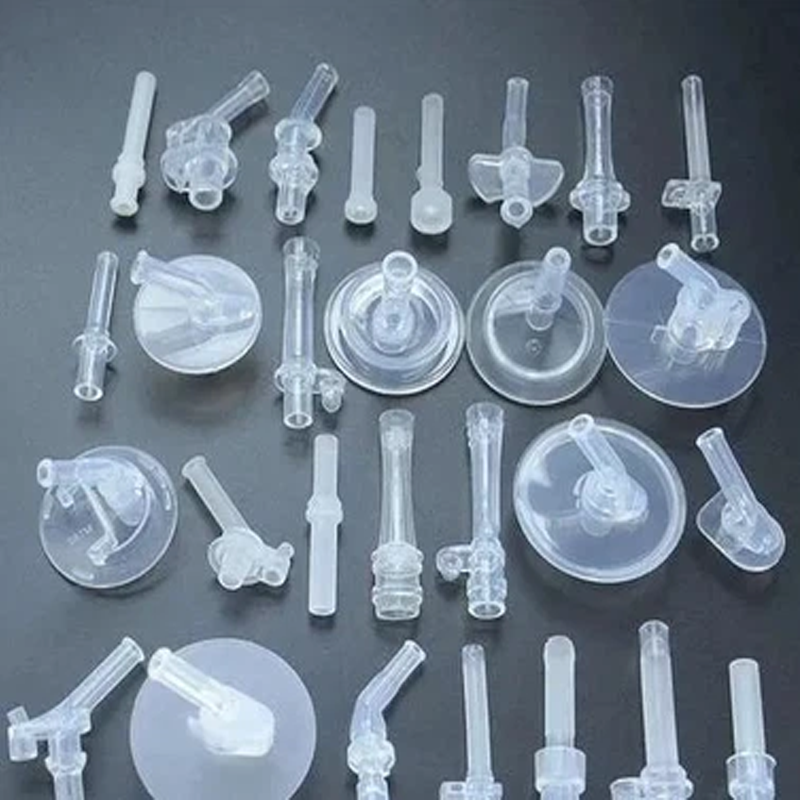
The key benefits of 3D-printed silicone include:
- Faster production times for prototypes and low-volume parts.
- Greater design freedom compared to traditional molding processes.
- Smooth surface finishes and high precision.
- The ability to create complex geometries that would be difficult or impossible to achieve with traditional molding.
However, 3D-printed silicone does have some limitations, such as part size restrictions and the need for support structures during printing. For larger parts or high-volume production, traditional LSR injection molding may still be the best choice.
Designing Silicone Parts for Manufacturability
Whether you’re opting for injection molding or 3D printing, it’s essential to design your parts with manufacturability in mind. Design for Manufacturability (DFM) is crucial for ensuring that your silicone parts are optimized for the chosen production method, reducing costs, improving efficiency, and ensuring that your parts meet all required specifications.
For injection-molded LSR, some key considerations include:
- Thin Walls: Unlike thermoplastics, LSR flows freely, so thin walls are typically not a concern.
- Undercuts and Features: Moderate undercuts are easy to achieve with LSR, and features like bump-off designs are also easily incorporated.
- Internal Corners: Sharp edges and internal corners should be avoided as they may lead to tearing during the removal of parts from the mold.
- Flash: Flash at parting lines is more common with LSR than with thermoplastics, but it can be minimized with proper mold design.
For 3D-printed silicone, consider these factors:
- Support Structures: These are necessary for 3D printing, especially for horizontal surfaces.
- Complex Geometries: The 3D printing process allows for the creation of intricate designs, but tall, skinny walls or holes smaller than 1mm can be challenging.
- Layer Adhesion: Ensuring good layer adhesion is essential for maintaining the strength and durability of 3D-printed silicone parts.
Moving from 3D Printing to Injection Molding
If you’ve started with 3D printing for prototyping but need to transition to high-volume production, it’s important to ensure that your design is compatible with injection molding. Although LSR injection molding offers excellent flexibility, it has different design constraints compared to 3D printing, especially when it comes to part features, wall thickness, and mold flow. Consulting with an experienced manufacturer like Siliconebase early in the design process can help avoid costly redesigns and production delays.
Why Choose Siliconebase for Your Custom Silicone Needs?
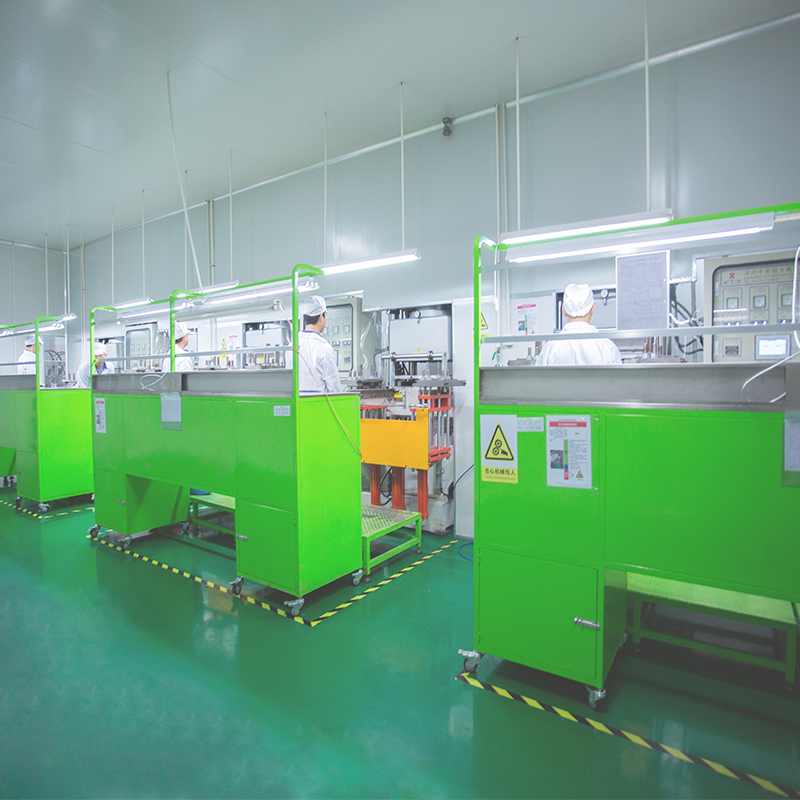
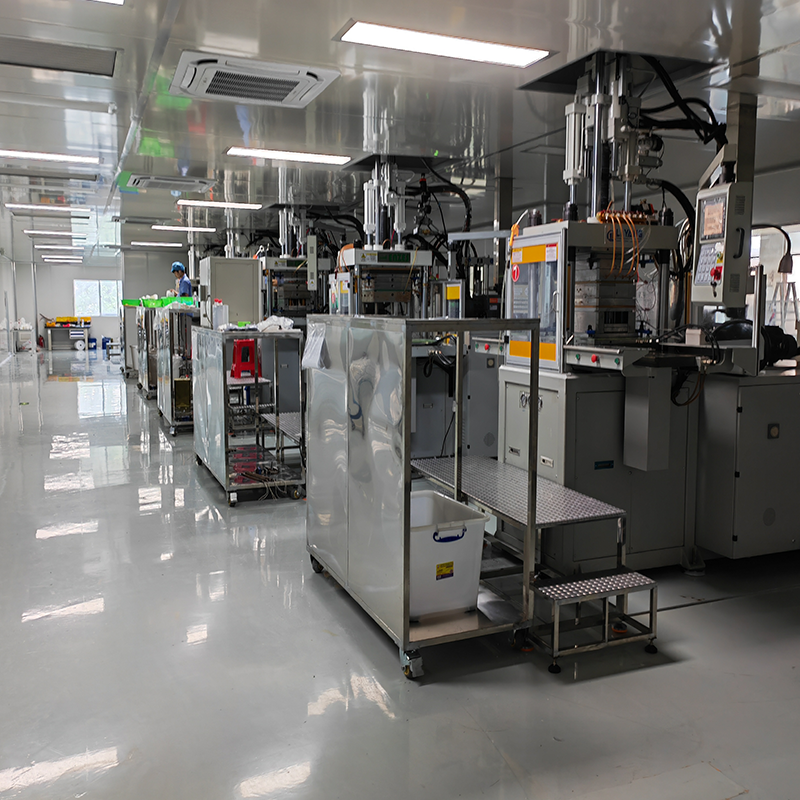
At Siliconebase, we specialize in high-quality silicone components and offer custom services to meet the specific needs of our clients. Whether you’re looking to create prototype parts, low-volume production runs, or scale up to high-volume manufacturing, we have the expertise to guide you through the best manufacturing process for your product. Our one-stop service ensures that you receive the support you need throughout the entire lifecycle of your project, from design and prototyping to mass production.
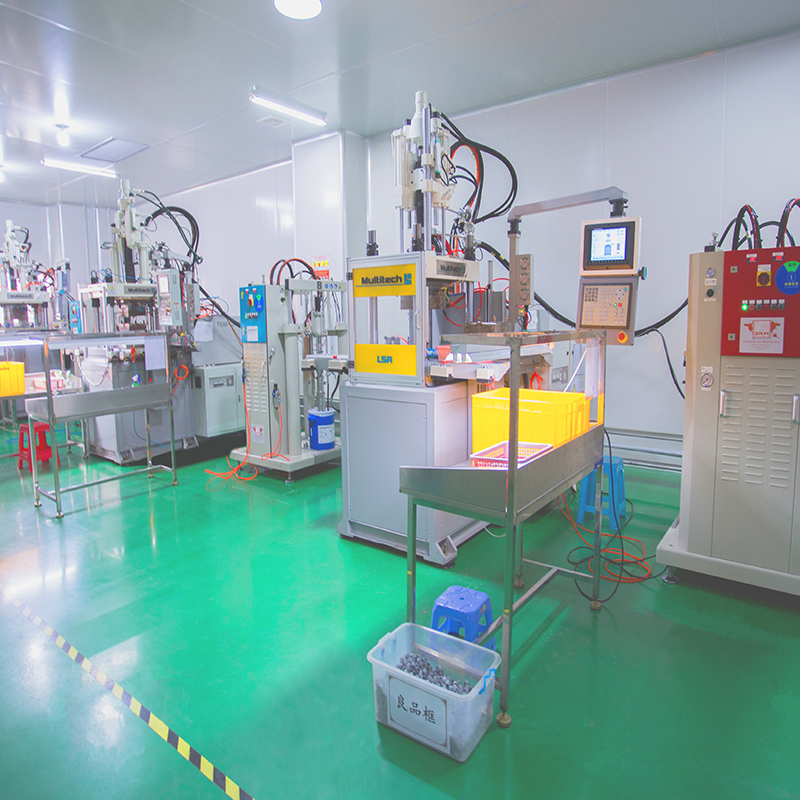
We are committed to delivering products that are biocompatible, durable, and manufactured to the highest quality standards. Our team works closely with you to ensure that your silicone products meet all required safety and performance specifications, helping you bring your ideas to life with precision and efficiency.
If you’re ready to take the next step in your silicone product development or have questions about 3D printing vs. injection molding for medical applications, contact Siliconebase today. Our team of suppliers and manufacturers is here to help you navigate the complexities of silicone part design and production. Let’s work together to create products that deliver safety, functionality, and performance.