
Injecting innovation into manufacturing for well over a century, injection molding has stood as the cornerstone of production worldwide. However, as demands evolved, traditional methods made room for modern practices, among which the overmolding process emerged as a pivotal advancement.
Introduction to Overmolding
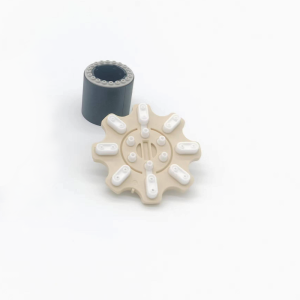
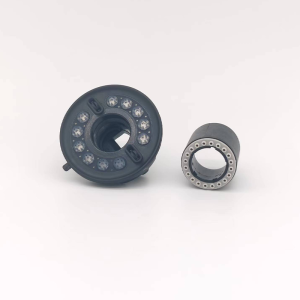
The overmolding process stands as a beacon of efficiency and reliability in modern manufacturing. It involves crafting single-piece parts by combining two or more components, typically plastic and non-plastic materials. Commonly known as “in-mold assembly,” overmolding encapsulates insert molding and two-shot molding methods.
Benefits of Overmolding
Overmolding offers a plethora of advantages, elevating product functionalities and aesthetics to new heights. It enhances product performance by providing features like waterproofing, chemical resistance, UV protection, and electrical insulation. Additionally, it facilitates noise reduction and vibration dampening, ensuring a smoother user experience.
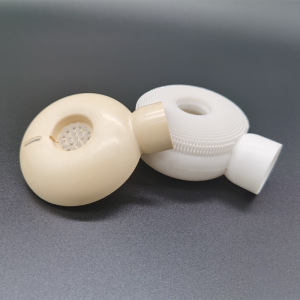
Moreover, overmolding enables the incorporation of multiple colors and textures, fostering creative product designs that stand out in the market. By merging different plastic resins, it produces parts with enhanced durability and a visually appealing finish, enhancing the overall perceived value of the product.
The Overmolding Process
Understanding the overmolding process is crucial for harnessing its full potential. It begins with meticulous mold and product design, ensuring optimal functionality and aesthetics are achieved. Pre-molding, involving the creation of a base part separately, precedes the main overmolding phase, laying the foundation for the final product.
Material selection is pivotal, considering factors like thickness, bonding capabilities, compression properties, and temperature resistance. The overmolding process itself entails placing the pre-molded base part into the mold cavity and injecting the over mold material. Subsequent cooling, ejection, and post-processing refine the final product, readying it for market launch.
Applications of Overmolding
Overmolding finds extensive utility across diverse industries, revolutionizing product design and functionality. In automotive manufacturing, it streamlines component production by eliminating the need for adhesives, resulting in stronger and more durable parts. Medical device fabrication benefits from simplified production processes, ensuring the reliability and safety of sophisticated equipment used in healthcare settings.
Moreover, overmolding is instrumental in crafting protective casings for electronic devices, enhancing grip and durability for end-users. By providing an additional layer of protection, overmolded casings safeguard delicate electronics from damage due to impacts, moisture, and other environmental factors.
Leading Overmolding Solutions
For unparalleled overmolding solutions, partnering with a reputable manufacturer is paramount. Offering rapid prototyping services, experienced engineers deliver realistic mold designs for iterative refinement, ensuring that the final product meets the highest quality standards. Cost-effectiveness is ensured through the use of cutting-edge technology and competitive pricing, guaranteeing superior quality and efficiency in every project.
Conclusion
In summary, overmolding represents a paradigm shift in injection molding, offering a host of benefits for manufacturers and end-users alike. From enhancing product performance to fostering innovative designs, it embodies the pinnacle of manufacturing excellence. Our rich industry experience, advanced production equipment, and professional technicians will surely be able to turn your ideas into reality through the overmolding process. Reach out to us for all your overmolding needs, and let our expert team deliver unparalleled quality and efficiency that exceeds your expectations.