Liquid Silicone Rubber (LSR) is a material that’s been around for decades, but despite its growing popularity across various industries, many myths and misconceptions continue to circulate. Whether you’re a manufacturer, designer, or engineer, chances are you’ve heard a few of these at some point. It’s time to set the record straight and separate fact from fiction, once and for all.
1. LSR is Just Like Regular Silicone Rubber
Let’s start with one of the most common misconceptions: that Liquid Silicone Rubber (LSR) is just the same as solid silicone rubber, but in liquid form. While that sounds plausible, it’s far from the truth. The key difference between the two is how they’re processed and used. LSR is a two-part material that’s mixed and then injected into molds in its liquid state, while solid silicone rubber is typically extruded or molded in its rubbery form.
This difference in processing means LSR is often preferred for complex, high-precision parts. It offers more flexibility in molding intricate designs, which would be difficult (or impossible) with solid silicone. So no, it’s not just “liquid silicone” – it’s a whole different animal in terms of properties and applications.
2. LSR Is Only Used for Medical and Food-Grade Applications
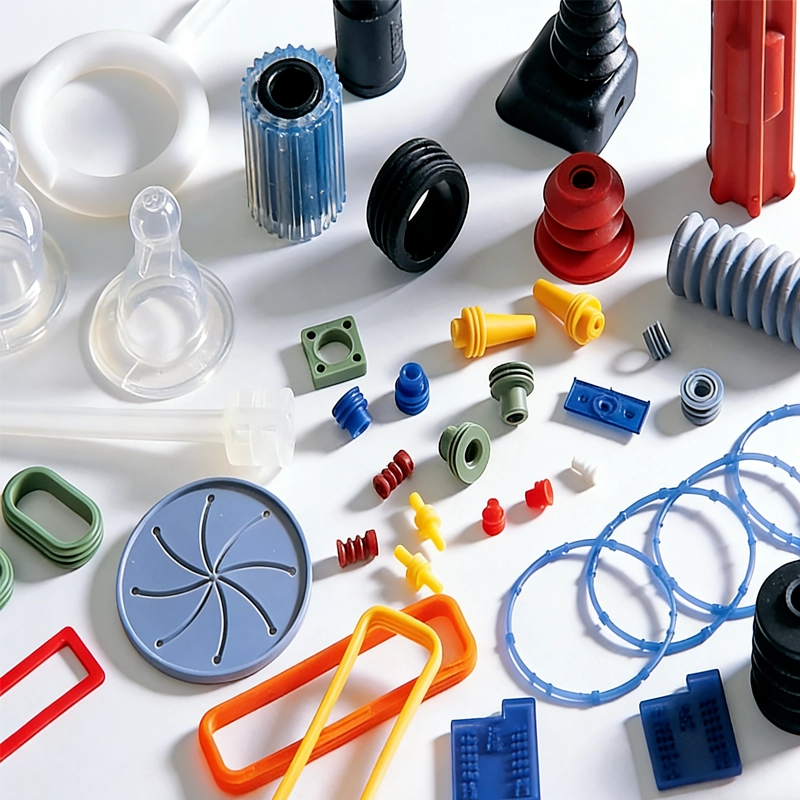
Here’s a common myth: LSR is primarily used for medical and food-related products. Sure, LSR is a top choice for medical devices and food-grade products due to its non-toxic nature, high purity, and resistance to harsh sterilization processes. But to think that’s the extent of its uses is a mistake. LSR is incredibly versatile and can be found in everything from automotive parts and electronics to household goods and toys.
In fact, LSR is the go-to material for applications that require durability and flexibility in demanding environments. From high-temperature resistance to electrical insulation, the possibilities are endless. So, don’t pigeonhole LSR – it’s far more adaptable than you might think.
3. LSR is Hard to Process and Requires Special Equipment
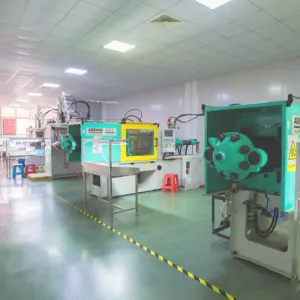
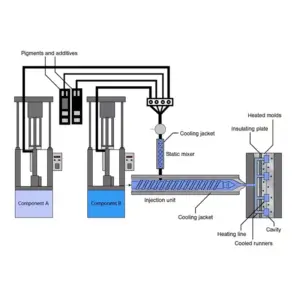
Another myth that often holds companies back from using LSR is the misconception that it’s difficult to process and requires specialized, expensive equipment. While LSR does require specific injection molding technology, it’s not an impossible or overly complicated process.
Thanks to advancements in LSR molding technology, including the development of automated and semi-automated systems, the cost of processing has gone down significantly. Additionally, LSR’s liquid nature allows it to flow easily into mold cavities, making it an ideal choice for producing complex shapes with high precision. It’s efficient, cost-effective, and less prone to defects compared to traditional molding techniques. If you’re thinking LSR is too complicated for your manufacturing needs, think again – it’s just a matter of understanding the process.
4. LSR is Too Expensive for Large-Scale Production
Many assume that because LSR is used in high-end industries like medical and automotive, it must be prohibitively expensive. But here’s the thing: while LSR is more expensive upfront compared to some materials, its long-term cost benefits make it a solid choice for large-scale production.
LSR’s durability and performance characteristics mean fewer defects and less need for rework. Plus, LSR parts can often replace multiple components, saving both material and assembly costs. This makes it a cost-effective solution for mass production, especially when you factor in the reduced need for maintenance or replacements.
5. LSR is Only Suitable for Simple Shapes
Another myth we need to debunk: that LSR is only good for simple, basic shapes. On the contrary, LSR is ideal for creating highly complex, intricate parts that demand precision and flexibility. Its liquid state before curing means it can fill molds with a level of detail and complexity that solid silicone or other materials simply can’t match.
From intricate seals to multi-component parts, LSR offers tremendous design flexibility. It’s the material of choice for industries that require complex geometries, including electronics, automotive, and consumer products.
6. LSR Can’t Handle Extreme Temperatures
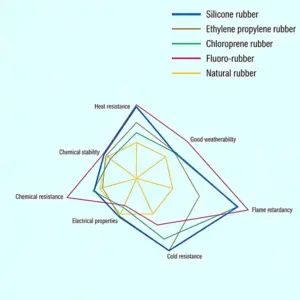
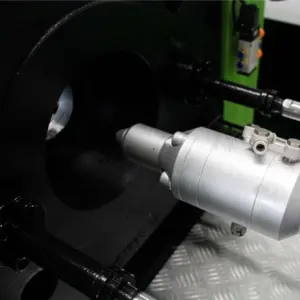
While it’s true that LSR performs well in a wide range of temperatures, there’s a misconception that it can’t handle extreme heat or cold. LSR is known for its thermal stability, and many formulations can withstand temperatures as high as 300°C (572°F) and as low as -60°C (-76°F), depending on the specific grade of silicone.
This high thermal resistance makes LSR perfect for automotive, aerospace, and industrial applications where parts are subjected to extreme conditions. So, if you’re concerned about LSR’s temperature performance, rest easy – it’s built for the heat (and the cold).
7. LSR Has Limited Color Options
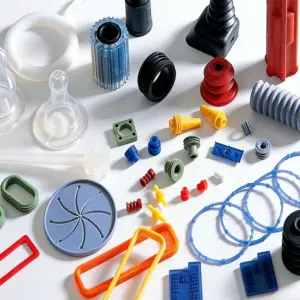
Another widely spread myth is that LSR can only be produced in clear or translucent colors. In reality, LSR can be easily tinted and customized in a wide range of colors, offering great versatility for branding, design, and product differentiation.
For those who want even more control over the aesthetic, LSR can also be pigmented or even combined with other materials for different finishes, such as matte, glossy, or even bi-color effects. The ability to customize color gives product designers and engineers endless possibilities when it comes to creating unique, market-ready products.
8. All LSR Manufacturers Are the Same
Finally, one of the most dangerous misconceptions is assuming all LSR manufacturers are the same. In reality, the quality of LSR products can vary significantly depending on the supplier and their manufacturing process. It’s essential to choose a manufacturer with a proven track record and experience in producing high-quality LSR parts.
For instance, at SiliconeBase, we have over 20 years of expertise in producing top-tier LSR components for industries ranging from medical devices to consumer electronics. Our focus is on providing high-quality materials, precise molding processes, and custom solutions tailored to meet your specific needs. Don’t settle for generic – partner with a manufacturer that understands your business and offers the reliability you need.