
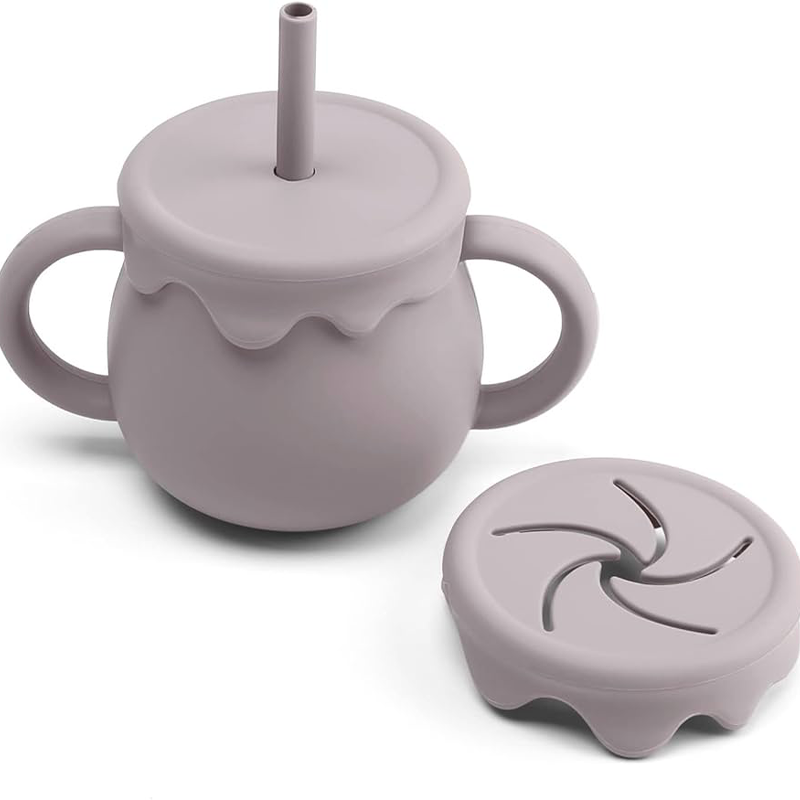
Silicone, a synthetic polymer composed of silicon, oxygen, carbon, and hydrogen, is renowned for its exceptional properties, including flexibility, durability, and resistance to extreme temperatures and chemicals. Silicone rubber accessories and products are extensively utilized across various industries. If you’re aiming to enhance your brand visibility or create a distinct look for your offerings, logo printing on silicone products presents an excellent solution. This guide will walk you through the process of printing logos on silicone rubber products.
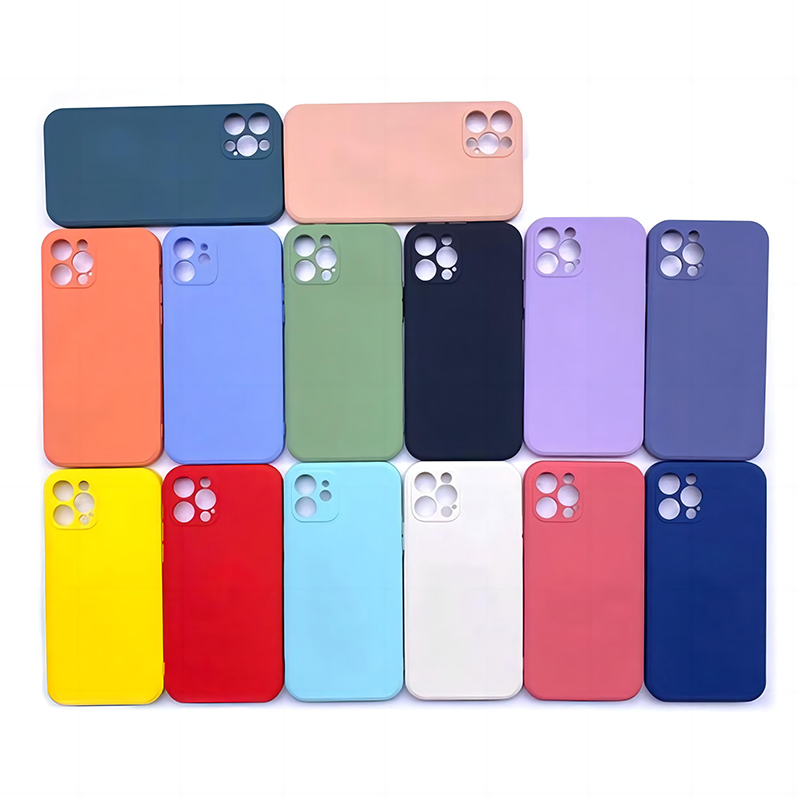
Benefits of Logo Printing on Silicone Rubber Products
Are you seeking ways to elevate the value of your products? Custom logo printing may be the answer. Let’s delve into the significance of personalizing logos on silicone rubber items.
- Enhanced Brand Identity: Printing logos on silicone products amplifies brand visibility. When consumers encounter your logo on these items, it reinforces brand recognition and loyalty.
- Effective Marketing Tool: Logo printing serves as a powerful marketing strategy, particularly with products like silicone wristbands, keychains, and coasters. These items often function as promotional giveaways, significantly boosting brand awareness and attracting potential customers.
- Long-Lasting Durability: Silicone rubber is celebrated for its resilience and resistance to wear. This durability ensures that both the products and the printed logos maintain their quality over time, continually promoting brand visibility.
- Customization and Uniqueness: Beyond logos, you can customize various texts and designs on silicone rubber products. This personalization enhances the uniqueness of your items, helping them stand out in a competitive market.
Steps for Printing on Silicone Rubber Products
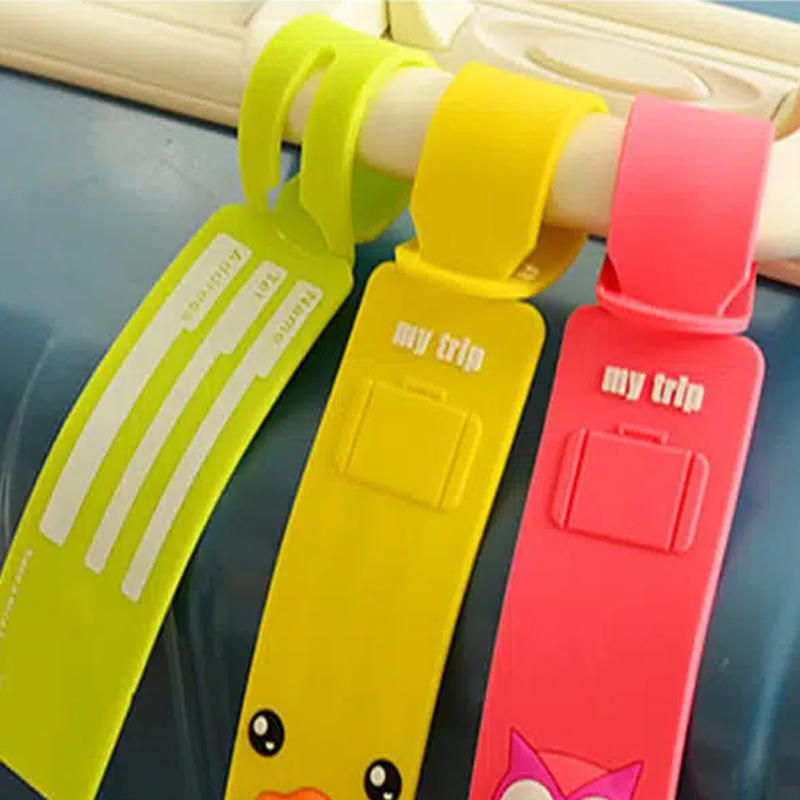
Implementing your logo on silicone products can significantly improve brand awareness and draw in potential customers. Here’s how to initiate the logo printing process
- Preparation: Provide us with your logo files in formats such as PDF, CDR, or AI. Our engineering team will assess their feasibility for customization.
- Selection of Printing Method: Choose the most suitable printing technique based on your budget and specific needs. Common methods include screen printing, pad printing, heat transfer printing, laser engraving, debossing, embossing, and silicone dripping injection dispensing molding.
- Surface Preparation: Ensure the silicone rubber surface is thoroughly cleaned to eliminate dirt, dust, or contaminants. Depending on the method, light sanding or chemical priming may be necessary to improve adhesion.
- Curing and Drying: Allow the ink or logo to cure or dry at the recommended temperature and duration. This process is essential for ensuring that the logo adheres effectively to the silicone surface.
- Post-Printing Treatments and Quality Control: Consider applying coatings or sealants after printing to enhance the longevity and protection of your logo. Conduct quality checks to ensure adhesion and overall quality, guaranteeing that we deliver products that meet high standards.
Methods for Printing Logos on Silicone Rubber Products
Different logo printing methods yield varied effects. Here are some common techniques for imprinting logos on silicone rubber products:
- Screen Printing: This method employs a fine mesh screen to apply the logo to the silicone surface. A stencil of the logo is created on the screen, and ink is pushed through the mesh using a squeegee to transfer the design.
Advantages:
– Ideal for high-volume production.
– Produces vibrant colors.
– Best suited for flat surfaces.
- Pad Printing: This technique uses a printing plate, or “cliché,” made from metal or plastic. The desired ink is applied to the recessed areas of the plate. A silicone pad picks up the ink and transfers it to the silicone rubber product.
Advantages:
– Excellent for irregular or curved surfaces.
– Offers precise color registration and fine detail.
– Suitable for small production runs.
- Heat Transfer Printing: In this method, a design is printed on heat-sensitive paper or film. Applying heat and pressure transfers the design from the paper to the silicone rubber.
Advantages:
– Capable of producing detailed prints.
– Works well for complex, multicolor designs.
- Laser Engraving: Laser engraving etches the logo directly onto the silicone surface, removing a thin layer of material to create a permanent mark.
Advantages:
– Delivers precise and permanent logos.
– Ideal for intricate designs.
– Resistant to wear and fading.
- Debossed and Embossed Printing: These methods create depressions or raised portions of the logo on the silicone surface, providing a three-dimensional effect through engraving directly into the product’s tooling.
Advantages:
– Creates a tactile, premium feel.
– Ensures a durable, permanent logo.
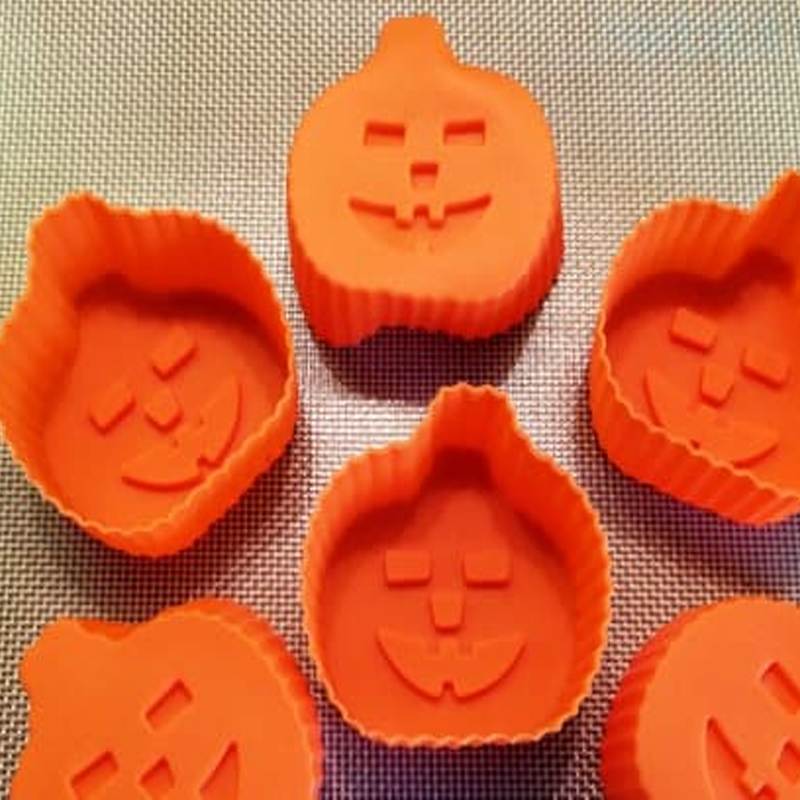
- Silicone Dripping Dispensing Molding: This technique involves the precise dispensing of liquid silicone into a mold, forming intricate, multicolored silicone patterns that exhibit a 3D effect.
Advantages:
– Integrates the logo into the product.
– Offers high durability and wear resistance.
– Suitable for complex, custom 3D designs.
Choosing the Right Logo Printing Method
Selecting the appropriate logo printing method is crucial for achieving your desired results with silicone rubber products. Here are some considerations to guide your decision:
- Budget Considerations: Your budget significantly influences your choice of printing method. Screen printing and heat transfer methods tend to be more cost-effective, while laser engraving and debossing are moderately priced. Silicone dripping dispensing molding typically incurs higher costs.
- Product Type: The nature of your product impacts the suitable printing technique. For instance, screen printing, heat transfer, and laser engraving excel on flat surfaces, while pad printing and silicone dripping are better for irregular shapes.
- Color Specifications: The logo’s color will also dictate the choice of printing method. Single-color logos can be produced easily with most techniques, while multicolor designs may require screen printing or heat transfer.
- Durability Needs: Consider the product’s intended use. For items subjected to wear and tear, opt for methods like embossing, debossing, or silicone dripping, which provide strong resistance to degradation.
- Texture and Tactile Qualities: Different methods yield various tactile effects. Screen printing and laser engraving create smooth logos, while embossed techniques provide a tactile experience. Silicone dripping molding is ideal for creating raised 3D logos that maintain their effect over time.

Conclusion
This overview has explored various methods for printing logos on silicone rubber products. We hope this guide assists you in selecting the appropriate logo printing technique for your needs. If you have further questions or require assistance in choosing the right method, please feel free to reach out to us. Our knowledgeable sales team is ready to help you navigate the options and ensure your logo is printed to perfection.