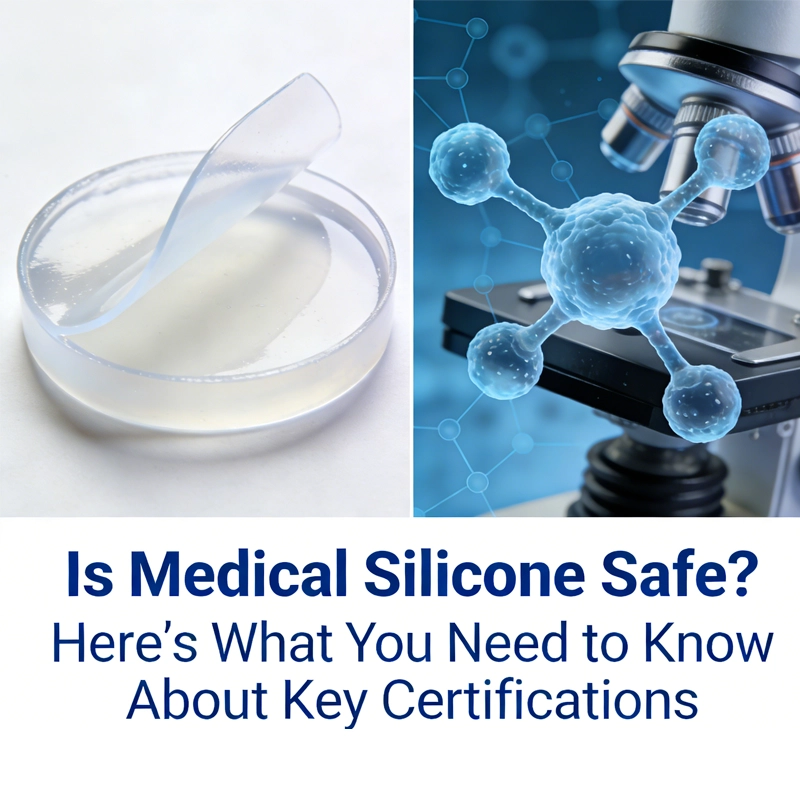
Medical silicone is a material used in many medical devices, including implants, catheters,mask,and prosthetics. But how can we be sure it’s safe for use in the human body? The answer lies in certifications like ISO 13485, ISO 10993, and USP Class VI, which set strict standards for safety and quality. Let’s take a closer look at what these certifications mean and how they ensure that medical silicone is both safe and effective.
What is ISO 13485?
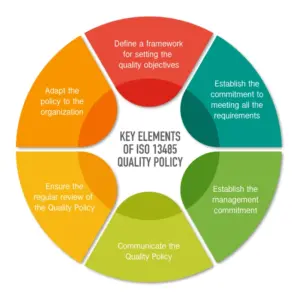
ISO 13485 is an international standard for quality management systems in the medical device industry. It ensures that manufacturers follow strict guidelines when producing medical devices, including the use of materials like medical-grade silicone. This certification ensures that every step in the production process—from design to final product—meets the highest safety standards. When a manufacturer is ISO 13485 certified, you can be confident that their products are made with precision and care.
What is ISO 10993?
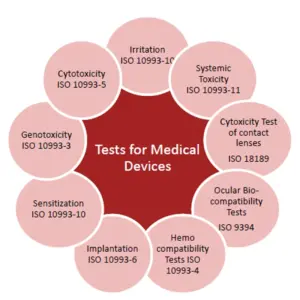
ISO 10993 is a set of standards used to assess the biocompatibility of materials. Biocompatibility refers to how well a material interacts with human tissue without causing harm. For medical silicone, it’s essential that the material does not cause inflammation, allergic reactions, or other harmful effects when used in the body. ISO 10993 ensures that medical silicone undergoes thorough testing to meet these requirements. By adhering to this standard, manufacturers can ensure that the silicone in their devices is safe for long-term use.
What is USP Class VI?
USP Class VI is a certification provided by the United States Pharmacopeia (USP), which evaluates the safety of materials used in medical devices. This certification ensures that materials like medical silicone are safe for implantation into the human body. The tests required for USP Class VI certification assess things like toxicity, irritation, and allergic reactions to ensure the material won’t harm the body over time. It’s an essential certification for any material used in long-term implants.
Why Do These Certifications Matter?
You might wonder why these certifications are so important. They offer peace of mind to both manufacturers and patients. For manufacturers, these certifications demonstrate that their materials and production processes meet the highest standards for quality and safety. For patients, these certifications ensure that the medical devices they rely on are safe and won’t cause harm after implantation. They are a guarantee that the materials used—like medical silicone—are reliable and biocompatible.
At SiliconeBase, we adhere to these rigorous standards to ensure that the Liquid Silicone Rubber (LSR) materials used in our products are of the highest quality and safe for long-term use. These certifications help maintain trust in medical devices that improve lives and support healthcare providers.