
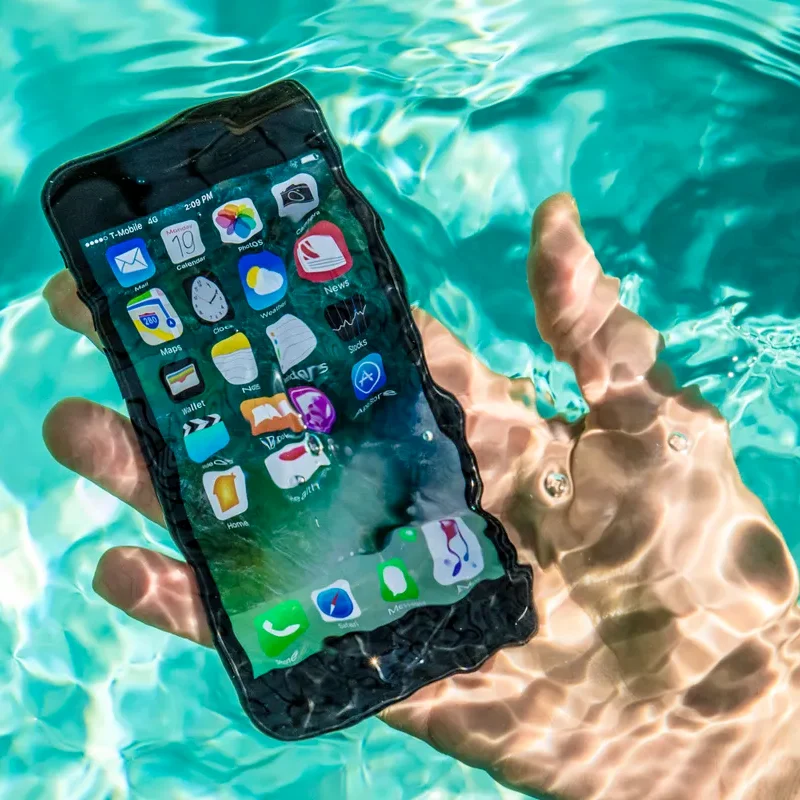
Modern smartphones do a lot more than make calls. They navigate road trips, survive gym sessions, sit next to sinks, travel through rainstorms, and occasionally take an unexpected dive into a puddle, bathtub, or pool. Consumers expect all of that—and they expect their phones to keep working afterward.
That’s why waterproof ratings like IP67 and IP68 have become major selling points in today’s electronics market.
Most people notice the camera, processor, or display. Few think about the tiny component quietly standing guard behind the scenes: the silicone rubber gasket.
It may not have a glossy keynote presentation or a fan club, but this precision sealing part plays a critical role in keeping water, dust, humidity, and contaminants out of sensitive electronics. In many cases, it’s one of the unsung heroes of smartphone durability.
What Do IP67 and IP68 Actually Mean?
IP stands for Ingress Protection, a rating system defined under IEC 60529 that measures how well an enclosure resists solids and liquids.
For smartphones, the two ratings you’ll see most often are IP67 and IP68.
IP67
The device is fully protected against dust and can survive immersion in up to 1 meter of water for 30 minutes.
IP68
The device is also dust-tight, but offers higher water resistance under conditions specified by the manufacturer—usually deeper water, longer exposure, or both.
In short: these ratings are not marketing magic. They require real engineering, real testing, and reliable sealing systems.
That’s where silicone gaskets come in.
Why Silicone Rubber Is Ideal for Smartphone Sealing
Not every rubber material is built for life inside a smartphone. Silicone is widely used because it combines flexibility, stability, and long-term reliability in a compact package.
Excellent Elastic Recovery
A gasket works by compressing between two surfaces and maintaining pressure over time. Silicone has strong rebound properties, meaning it can spring back and continue sealing after repeated use.
That matters because phones get squeezed, dropped, heated, cooled, and tossed into bags with questionable contents.
Wide Temperature Resistance
Phones generate heat during charging, gaming, video streaming, and fast processing. They also get left in cold cars, hot pockets, and sunny dashboards.
Silicone remains stable across a broad temperature range, helping the seal stay consistent in changing environments.
Low Water Absorption
Silicone resists moisture and does not readily absorb water, making it an excellent barrier material for waterproof designs.
Strong Aging Resistance
Some elastomers crack, harden, or lose performance over time. Silicone is known for maintaining flexibility and sealing performance throughout long product life cycles.
Friendly to Precision Components
Modern smartphones use glass panels, aluminum frames, engineered plastics, and extremely tight tolerances. Softer silicone grades can create an effective seal without damaging delicate parts.
In other words, silicone knows how to apply pressure without being dramatic about it
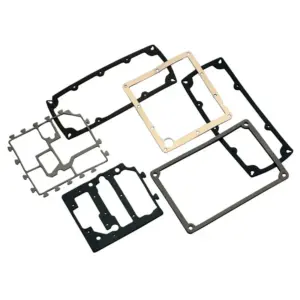
Where Silicone Gaskets Are Used Inside Smartphones
A waterproof phone is rarely protected by one single seal. Instead, manufacturers create a full sealing system across multiple vulnerable zones.
Display Frame Seal
Placed between the display assembly and the housing, this gasket helps prevent water from entering through screen gaps.
Rear Cover Seal
Used around back covers—especially glass back panels—to protect internal electronics from external moisture and dust.
Camera Module Seal
Keeps dust, humidity, and water away from the lens cavity, reducing fogging and contamination risks.
Button Seal
Power and volume buttons must feel responsive while still blocking liquid intrusion. Silicone makes that balancing act possible.
Speaker and Microphone Seal
Often paired with acoustic membranes, silicone gaskets help protect openings while allowing sound to pass through.
Port and Tray Seals
Some rugged devices or specialty models use sealing components around charging ports, SIM trays, or accessory interfaces.
Basically, if there’s a gap, silicone is probably already thinking about it.
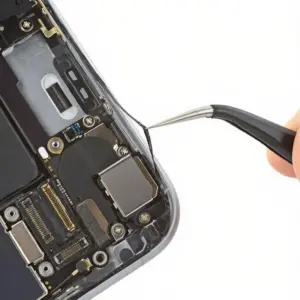
What Really Determines IP67 or IP68 Performance?
Using a gasket does not automatically guarantee waterproof success. Final performance depends on how the gasket works with the entire product design.
Compression Ratio
The gasket must be compressed enough to seal properly—but not so much that it permanently deforms.
Too little pressure? Leak risk.
Too much pressure? Material fatigue.
Engineering is fun like that.
Dimensional Tolerances
Smartphone assemblies operate with extremely tight tolerances. Even small dimensional variation can compromise sealing contact.
Surface Quality
The flatness, texture, and consistency of mating surfaces affect how well the gasket seals.
Material Hardness
Measured in Shore A, hardness must match the enclosure design. Too soft and support may be insufficient. Too hard and compression becomes difficult.
Compression Set Resistance
Over time, poor-quality rubber can remain flattened after compression. High-performance silicone resists this effect and maintains long-term sealing force.
Assembly Process
Even the best gasket can fail if it is misaligned, contaminated, or poorly installed. Automated placement and inspection are often essential in mass production.
LSR vs. Solid Silicone: Which Is Better?
Two common manufacturing methods are used for smartphone gaskets.
Liquid Silicone Rubber (LSR)
LSR injection molding is ideal for high-volume production, micro parts, complex geometries, and tight tolerances. It is widely used in consumer electronics.
Compression Molded Solid Silicone
This process can offer lower tooling costs and works well for simpler gasket designs or moderate production volumes.
The right choice depends on geometry, annual demand, cost targets, and assembly requirements.
There is no universal winner—only the right fit for the application.
Why Waterproof Phones Still Fail Sometimes
Even premium devices can lose water resistance if the sealing system is poorly designed or damaged in use.
Common causes include:
- Gasket creep after long-term compression
- Poor adhesive bonding
- Burrs or flash interfering with fit
- Uneven sealing paths
- Material aging
- Misalignment during assembly
- Dust trapped on sealing surfaces
- Improper reassembly after repair
A waterproof rating is not just a test result. It’s the outcome of good engineering repeated consistently.
The Future of Smartphone Sealing
As devices become thinner, lighter, foldable, and more integrated, sealing solutions continue to evolve.
Emerging trends include:
- Ultra-thin micro gaskets
- Foam and silicone hybrid seals
- Two-shot overmolded designs
- Dynamic hinge seals for foldable phones
- Vision-guided automated gasket placement
- More sustainable elastomer materials
The smaller the device gets, the smarter the sealing needs to become.
Final Thoughts
Silicone rubber gaskets may be tiny, but their contribution to IP67 and IP68 smartphone protection is enormous. They help safeguard displays, cameras, buttons, speakers, and internal electronics from the hazards of everyday life—whether that’s a rainstorm or a coffee spill with terrible timing.
For OEMs, product designers, and electronics brands, choosing the right gasket material and manufacturing partner can directly impact reliability, warranty performance, and user satisfaction.
At siliconebase, we support custom silicone sealing solutions for consumer electronics through precision tooling, engineered materials, and scalable production built for modern device demands.