
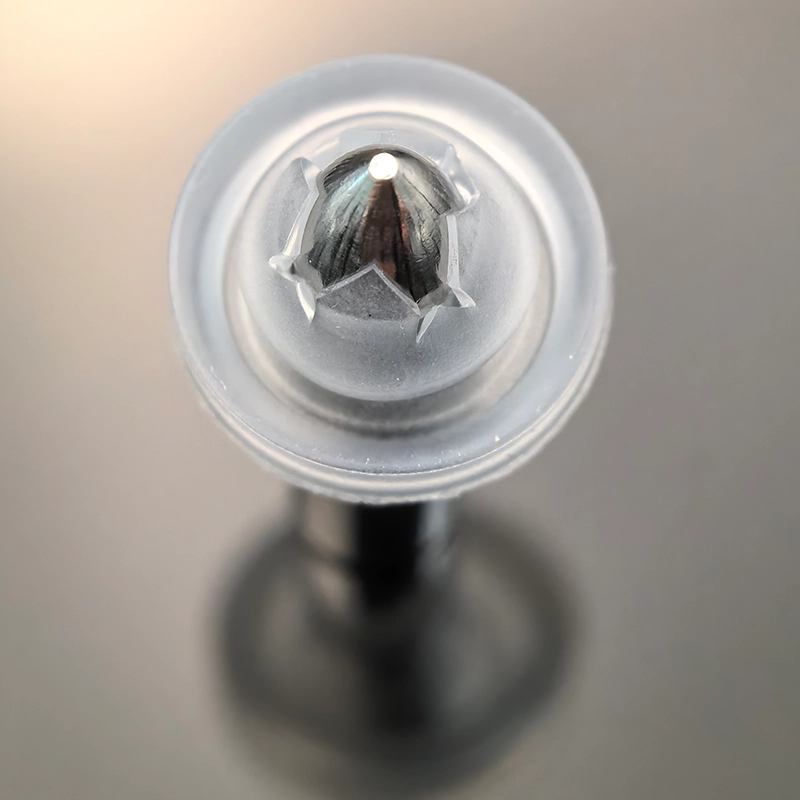
If you’re specifying valves for food packaging, cosmetics, or medical disposables, a small component like a cross-slit valve (also called a cross-cut valve, X-slit valve, or cross-slit dispensing valve) can make the difference between a great product and repeated consumer complaints. At Siliconebase we design and manufacture custom Cross-Slit Valves and other elastomeric seals. This guide explains what a silicone cross-slit valve is, where it’s used, and — most importantly — the practical, testable criteria engineers and buyers should use to evaluate valve quality before you commit to a supplier.
What Is a Silicone Cross-Slit Valve?
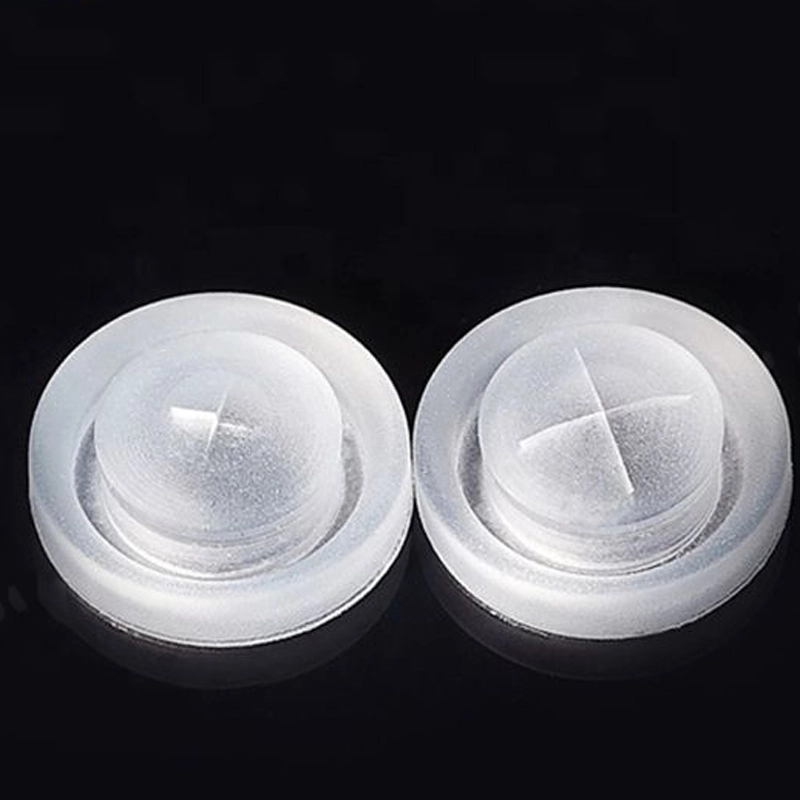
A cross-slit valve is a one-way silicone valve formed with two slits that intersect in an “X” pattern. Under forward pressure (squeezing, pumping), the slits open to allow product flow; when pressure stops, the elastic slit surfaces reseal to prevent leakage and air ingress. Variations include pop-in valve inserts, integrated overmolded valve seats, and multi-material assemblies for specialized caps.
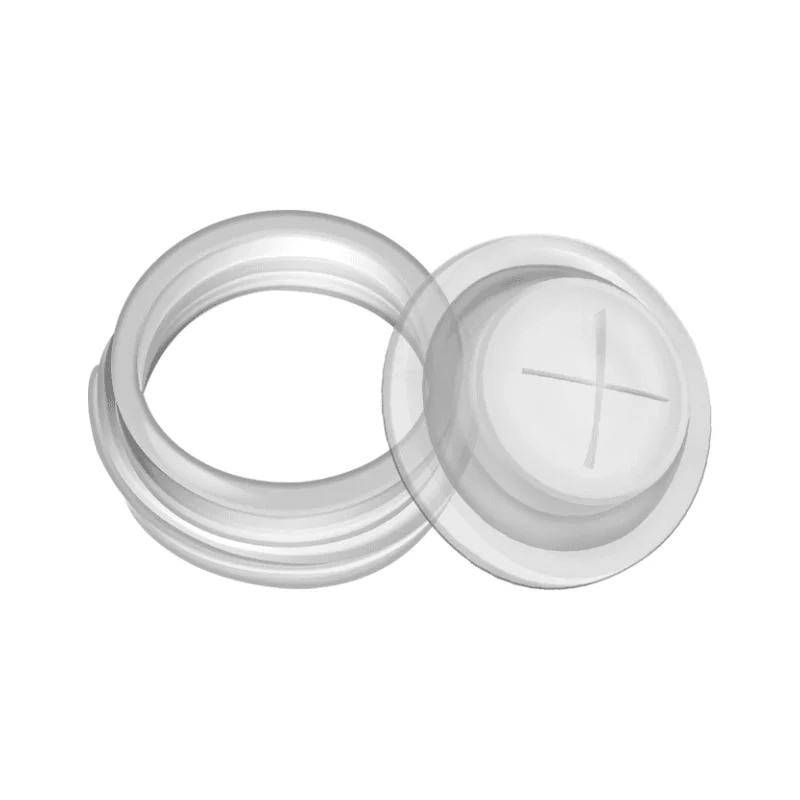
Why Cross-Slit Valves Are Essential Components
Cross-slit valves provide precise dispensing, enhance shelf life by preventing contamination, and reduce product waste with clean reseal performance. They’re compact, low-cost, and can be produced in large volumes using silicone rubber injection molding, making them a favorite for OEMs seeking leak-proof dispensing solutions.
Where Are Cross-Slit Valves Used?
Typical applications:
- Condiment and sauce caps (ketchup, mustard)
- Cosmetic and personal-care dispensers (creams, serums)
- Travel and sport bottles (portable hydration)
- Medical sampling and single-use fluid kits
- Household cleaners and detergent caps
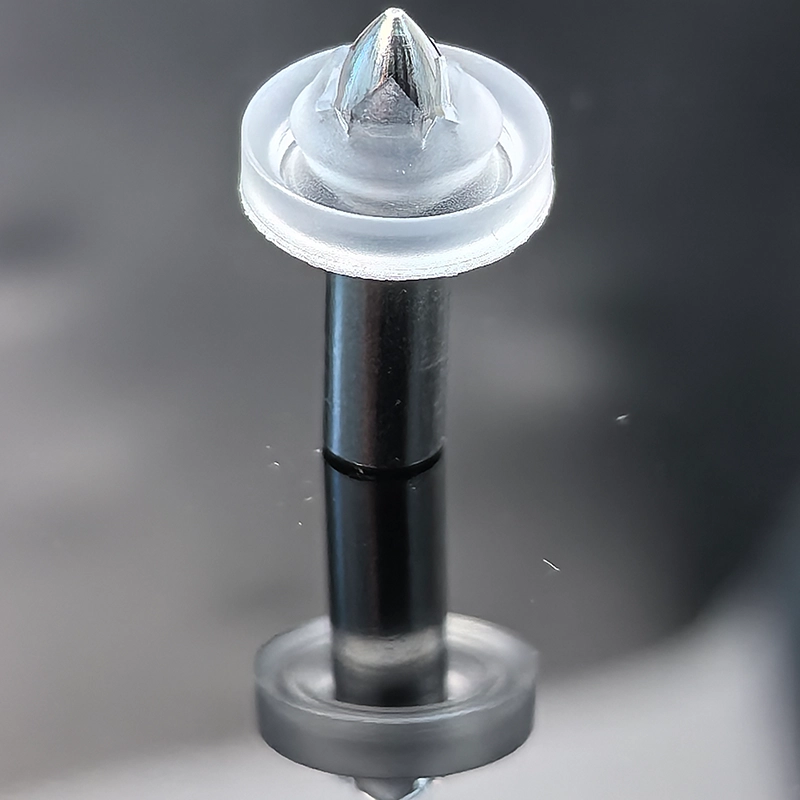
9 Key Criteria for Evaluating Silicone Cross-Slit Valve Quality
Below are the objective attributes to inspect, measure, and test when qualifying one way silicone valve suppliers.
1. Raw Material Quality
Ask for supplier Certificates of Analysis (CoA) for the silicone compound. Medical- or food-grade LSR (platinum cured) is preferred for food and healthcare uses. Verify shore hardness, cure system, and any additives that affect chemical resistance or odor.
2. Manufacturing Process Control
High-quality valves require precise LSR injection molding or compression molding with controlled shot weight, temperature, and post-cure. Review process control documents and whether the manufacturer uses shot-by-shot metering, automated curing, and statistical process control (SPC).
3. Transparency / Color Consistency
For applications where color or translucency matters, check batch-to-batch color consistency under standardized lighting. Discoloration may indicate mixer issues, contamination, or inadequate post-cure.
4. Stretch Performance (Elasticity)
Measure elongation and tensile strength. A valve must stretch repeatedly without permanent deformation. Standard test methods (ASTM D412) provide objective data on elongation at break and tensile modulus.
5. Surface Finish
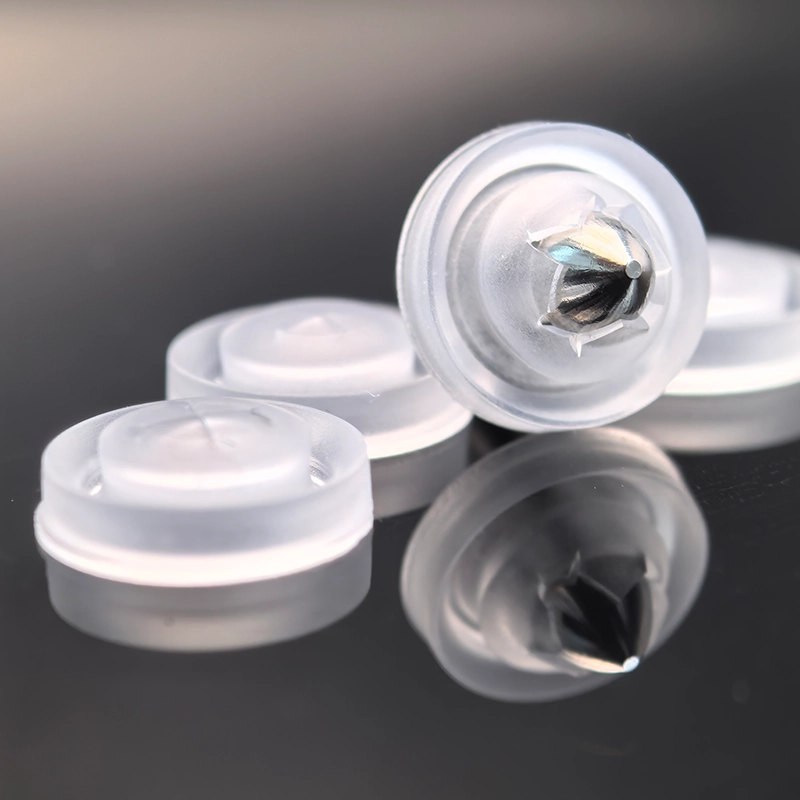
Inspect for flash, flow marks, or trapped particles at the slit edges. Smooth, defect-free slit lips are critical for clean sealing and minimal particulate generation (important in food and medical use).
6. Elastic Recovery / Compression Set
Compression set testing (ASTM D395) shows whether the slit lips return to shape after long compression. Low compression set ensures long life and leak-free resealing after thousands of cycles.
7. Cross-Slit Precision (Geometry)
Dimensional tolerances of slit length, depth, and intersection geometry directly affect opening pressure and flow characteristics. Use optical inspection (AOI) and microscopic measurement to verify slit profile consistency.
8. Dimensional Consistency & Tolerances
Measure outer diameter, skirt thickness, and seating features across samples. Good manufacturers hold tight SPC windows; poor dimensional control leads to leaks or poor fit with caps and seats.
9. Functional Performance Testing
The most important confirmation is empirical: perform standardized valve tests — cracking/opening pressure, flow vs. pressure curve, drool/leak test under inverted storage, and lifecycle cycling (e.g., 50k–200k actuations). For food/cosmetics, run shelf-test with target formulation to verify no swelling or compatibility issues.
Practical Supplier Due Diligence
When evaluating suppliers and a potential manufacturer, request:
- Material CoAs and test reports.
- Samples from production tooling (not just 3D prints).
- AOI and SPC summaries for cavity balance.
- Functional test data using your actual formulation.
- Traceability and batch coding for quality investigations.
Siliconebase: Manufacturing Excellence You Can Rely On
At Siliconebase, our cross-slit valves are produced on automated LSR injection lines with AOI slit inspection and full batch traceability. We offer prototyping, pilot runs, and turnkey OEM support to tune slit geometry and material choice for your application. Our quality checks include compression set, tensile, dimensional SPC, and real-world leak/drool testing using customer formulations.

Conclusion
Evaluating cross-slit valves is both about chemistry and geometry. Focus on material certificates, manufacturing process control, precise slit geometry, and—critically—functional testing with your actual product. If you need custom Cross-Slit Valves or want to benchmark samples from multiple vendors, Siliconebase can help: we’ll run material compatibility tests, provide engineering DFM guidance, and deliver pre-qualified production samples.
Interested in a valve audit or custom valve prototype? Send your product formulation, cap interface drawing, and target cracking pressure to our engineering team. We’ll reply with a manufacturability assessment, sample plan, and quote.