
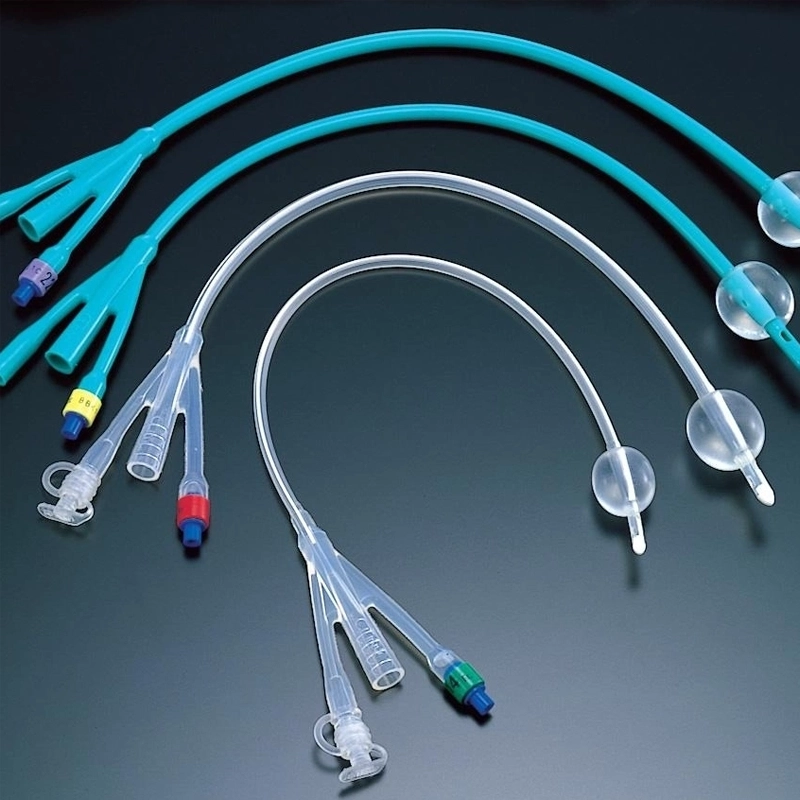
At Siliconebase, we work closely with medical device companies, healthcare brands, and global suppliers to produce precision silicone components used in a wide range of healthcare applications. As a professional factory providing advanced silicone manufacturing and full OEM service, we understand that medical products demand strict material standards, controlled production processes, and reliable quality systems.
Medical-grade silicone has become one of the most important materials in modern healthcare due to its biocompatibility, flexibility, and long-term stability. It is widely used in components such as seals, tubing, valves, wearable devices, and custom medical grade masks. However, producing these parts requires a carefully controlled workflow—from raw material selection to molding, curing, finishing, and testing.
This guide explains how medical silicone device parts are manufactured and why each step is essential to delivering high quality medical products that meet regulatory requirements.
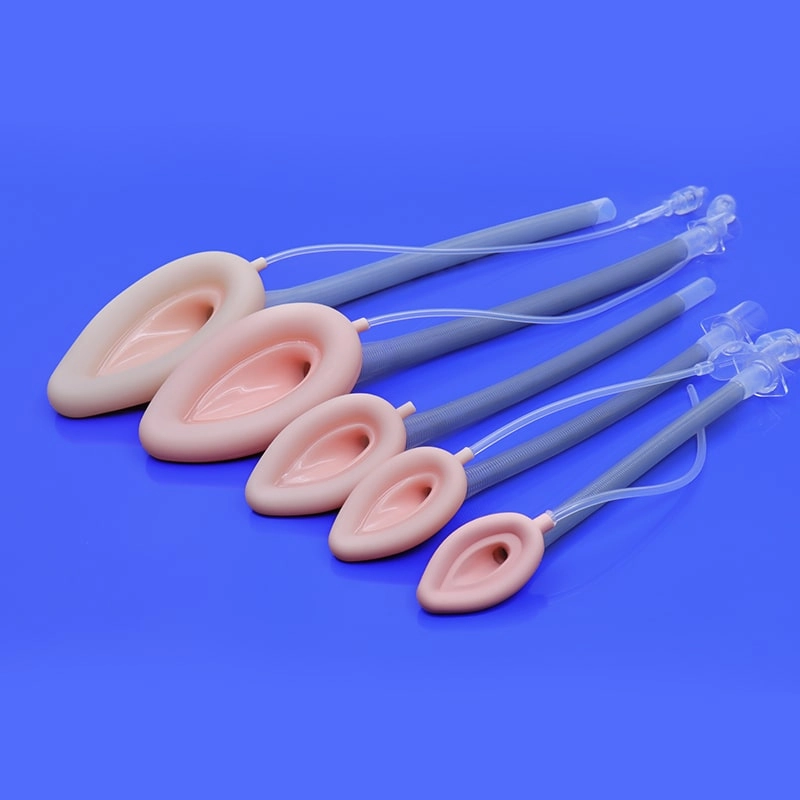
Material Selection
The foundation of any medical silicone component begins with selecting the correct raw material. Medical silicone typically comes in two primary forms:
- Liquid Silicone Rubber (LSR)
- High Consistency Rubber (HCR)
Both materials are derived from silicone polymers based on silica and are designed specifically for medical and healthcare environments.
Key Requirements for Medical Silicone Materials
Medical-grade silicone must meet strict criteria, including:
- Biocompatibility and non-toxicity
- Chemical stability and inertness
- Resistance to temperature extremes
- Flexibility and durability
- Compliance with medical regulations such as FDA or ISO standards
In most modern manufacturing environments, platinum-cured silicone is preferred because it produces fewer residual by-products and provides a higher purity level compared to peroxide-cured silicone.
At Siliconebase, incoming silicone materials are verified through supplier documentation, material certification, and batch traceability to ensure consistent performance before production begins.
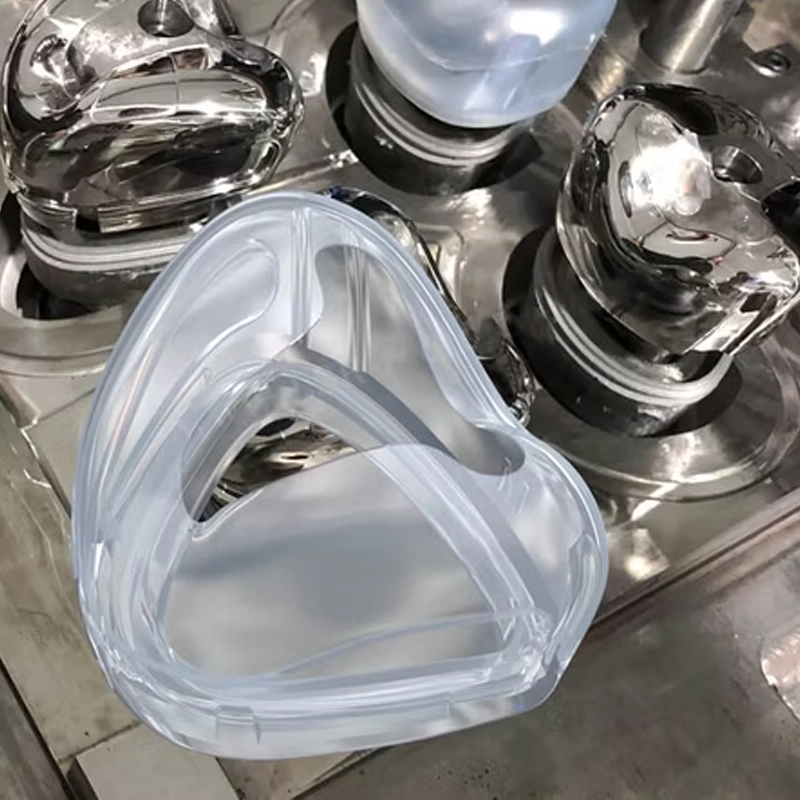
Molding Processes
Once materials are qualified, the next step in producing medical silicone components is molding. Precision mold design and advanced molding technologies ensure consistent dimensions, repeatable quality, and efficient mass production.
Liquid Silicone Injection Molding (LSR)
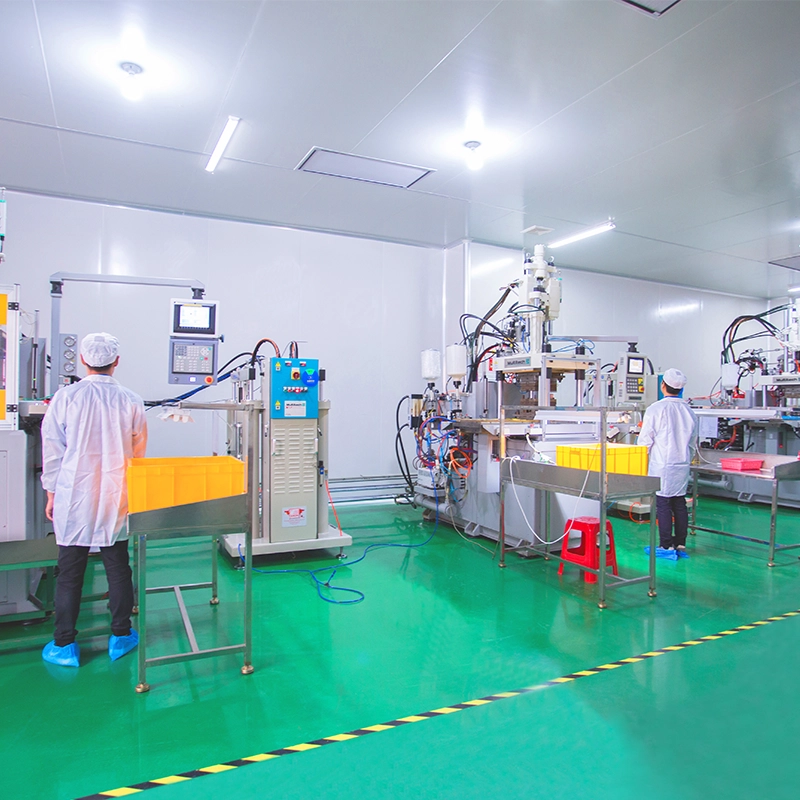
LSR injection molding is one of the most common processes for producing high-volume medical parts. The two-component liquid silicone mixture is injected into a heated mold where it cures rapidly.
Advantages include:
- High precision and repeatability
- Automated production with minimal contamination risk
- Excellent for complex geometries and thin-wall parts
LSR molding is often used for:
- Seals and gaskets
- Medical valves
- Respiratory components
- Custom medical grade masks
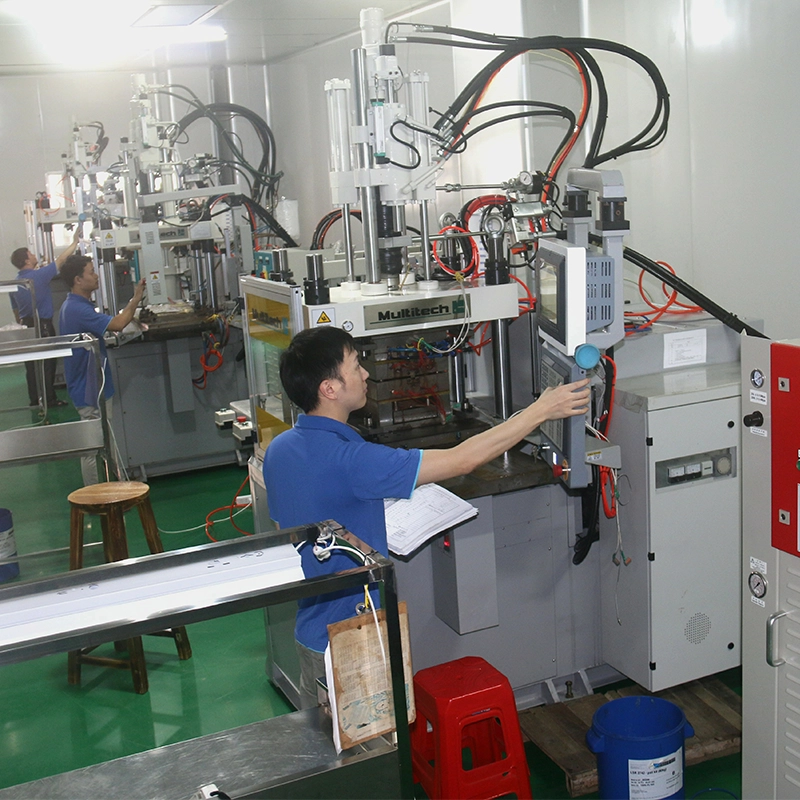
Compression Molding
Compression molding is typically used for larger or thicker silicone parts.
The process involves placing a measured amount of silicone compound into a heated mold cavity and applying pressure until the material fills the shape and cures.
Benefits include:
- Lower tooling cost
- Suitable for low-to-medium production volumes
- Effective for thicker components
Transfer Molding
Transfer molding is a hybrid method that improves material flow and reduces air entrapment. It is particularly useful for parts requiring embedded inserts or complex internal structures.
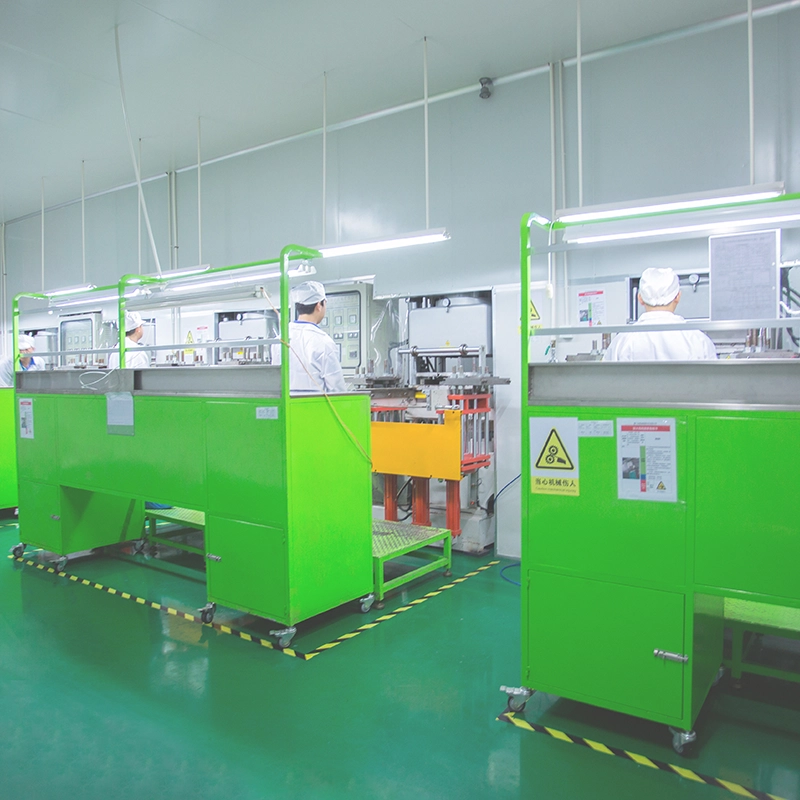
Curing and Vulcanization
Curing, also known as vulcanization, is the chemical process that transforms uncured silicone into an elastic solid.
During this stage:
- Heat activates cross-linking between silicone polymer chains
- The material gains its mechanical strength and elasticity
- The part becomes permanently shaped according to the mold design
Typical curing temperatures range from 150°C to 200°C, depending on the silicone formulation and part thickness.
Post-Curing
Many medical silicone components undergo post-curing, a secondary heat treatment performed in industrial ovens.
Post-curing serves several important purposes:
- Removes volatile compounds and residual curing agents
- Improves mechanical performance
- Enhances biocompatibility
- Reduces odor and extractables
For medical devices and custom medical grade masks, post-curing is a critical step to ensure product safety.
Post-Processing and Finishing
After molding and curing, silicone parts often undergo secondary processing steps to achieve the final product specifications.
Deflashing and Trimming
Excess silicone material (flash) created during molding must be removed. Methods include:
- Manual trimming
- Cryogenic deflashing
- Precision cutting tools
Surface Treatment
Surface finishing can improve aesthetics, functionality, or branding. Common techniques include:
- Laser engraving
- Silk-screen printing
- Pad printing
- Embossing and debossing
- Medical-grade coatings
These processes help transform molded components into finished products ready for assembly or packaging.
Assembly
For complex devices, silicone components may be integrated with other materials such as:
- Plastic housings
- Metal connectors
- Fabric straps or filters
Integrated assembly reduces production steps for OEM customers.
Quality Control and Testing
Quality assurance is essential when producing medical silicone parts. A reliable factory must implement strict inspection procedures throughout the production cycle.
Material Verification
Each production batch must confirm:
- Raw material certification
- Lot traceability
- Chemical compliance
Dimensional Inspection
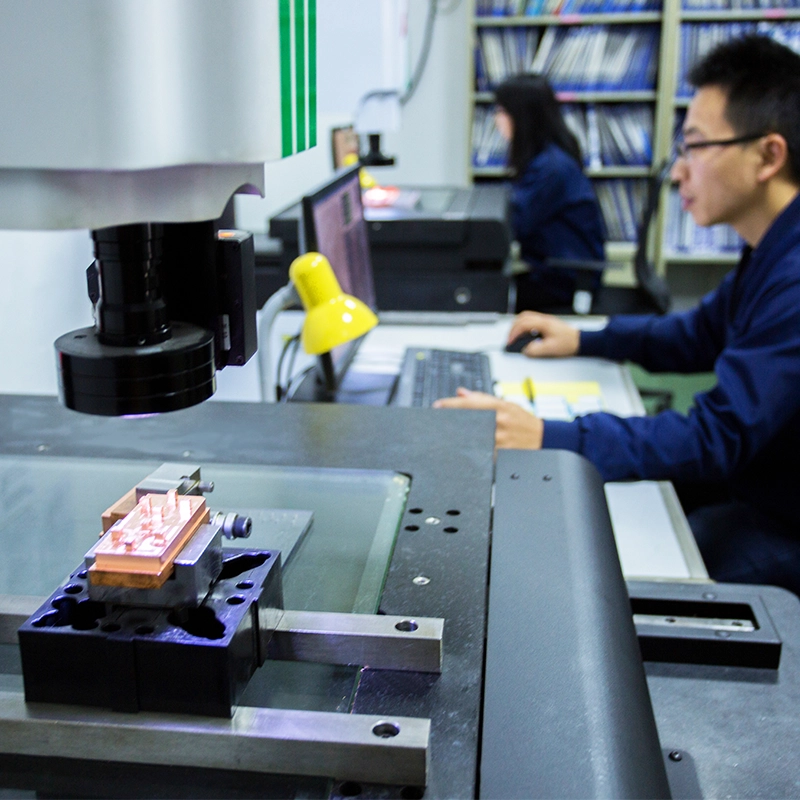
Precision measuring equipment such as CMM machines and optical scanners ensure that parts meet design tolerances.
Mechanical Testing
Testing methods may include:
- Tensile strength testing
- Tear resistance testing
- Compression set evaluation
- Fatigue testing
Biocompatibility and Safety Testing
For medical products, additional tests verify safety and compliance:
- Cytotoxicity testing
- Migration and extractables analysis
- Thermal stability testing
These procedures ensure that silicone components remain safe for long-term medical use.
Applications of Medical Silicone Parts
Medical-grade silicone is widely used across healthcare and life-science industries due to its versatility and reliability.
Common applications include:
- Custom medical grade masks and respiratory devices
- Medical tubing and fluid transfer systems
- Implantable device components
- Seals and gaskets for medical equipment
- Wearable healthcare devices
- Surgical instrument grips
Its resistance to heat, sterilization processes, and body fluids makes silicone an ideal material for demanding medical environments.
Conclusion
The production of medical silicone device parts requires advanced materials, precision tooling, and strict process control. From selecting medical-grade silicone to molding, curing, finishing, and testing, every stage of the manufacturing process must meet rigorous standards to ensure safety and reliability.
For companies developing healthcare products, choosing the right suppliers and manufacturing partners is essential. A trusted partner can provide technical expertise, scalable production, and consistent high quality results.
At Siliconebase, we specialize in medical silicone component manufacturing, including custom medical grade masks and other precision healthcare parts. Our OEM service covers the entire process—from material selection and mold design to high-volume production, quality testing, and global delivery.
If you are developing a new medical silicone product or searching for a dependable factory partner, feel free to contact Siliconebase. Our engineering team will gladly help optimize your design and bring your medical device project to market efficiently and safely.