
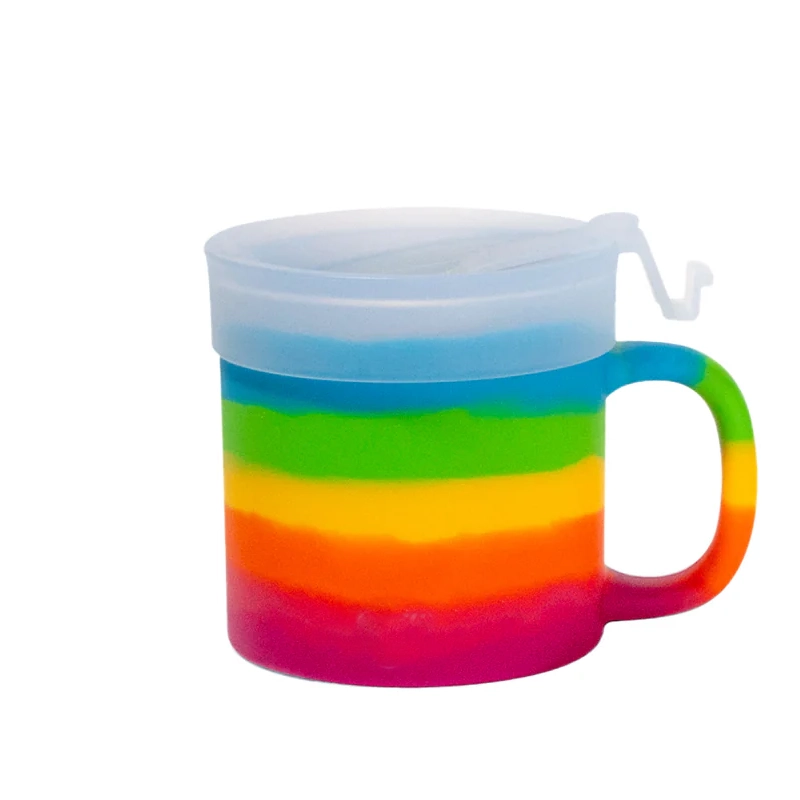
At Siliconebase, we work closely with global brands and distributors to develop custom silicone coffee cups through advanced manufacturing and strict safety testing. As a professional manufacturer offering OEM service and one-stop service, we often receive questions from buyers and product designers about the safety, durability, and compliance of silicone drinkware.
Silicone coffee cups have become increasingly popular due to their flexibility, heat resistance, and eco-friendly advantages. However, understanding how these cups are made, how they are tested, and how they compare with other materials is essential for both consumers and B2B buyers. This article explores the materials, manufacturing processes, and safety considerations behind silicone coffee cups to help you make informed sourcing and design decisions.
What Silicone Coffee Cups Are Made Of
Silicone coffee cups are primarily manufactured from food-grade silicone rubber, a synthetic elastomer derived from silica (a natural component of sand). Unlike plastic, silicone does not rely on petroleum-based polymers and is known for its chemical stability and heat resistance.
Food-grade silicone used in drinkware generally features:
- High temperature resistance typically ranging from −40°C to 230°C (−40°F to 446°F)
- Low toxicity and inert chemical structure
- Odorless and tasteless material properties
- Flexibility and durability for repeated use
In professional manufacturing environments, platinum-cured silicone is commonly preferred because it produces fewer residual by-products and ensures better purity for food-contact applications.
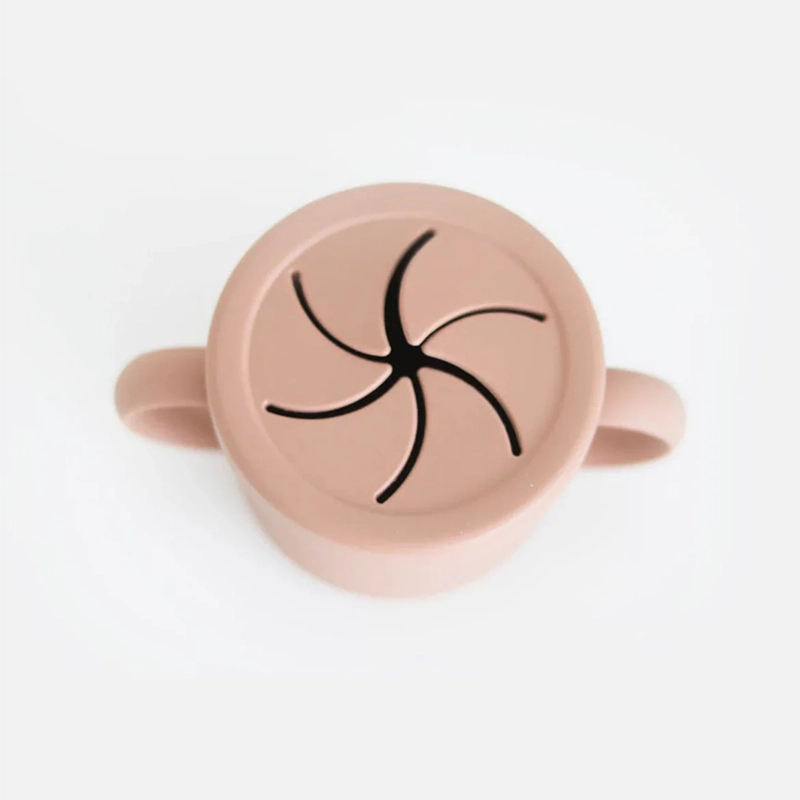
Silicone Coffee Cup Safety At A Glance
From a materials perspective, silicone coffee cups are considered safe when they meet recognized regulatory standards such as:
- FDA food-contact compliance
- LFGB certification for European markets
- REACH and RoHS chemical safety requirements
Properly manufactured silicone cups do not leach harmful chemicals under normal temperature conditions and are suitable for hot beverages such as coffee or tea.
Are Silicone Coffee Cups Safe? Everyday Use Facts
For everyday use, silicone coffee cups provide a balance of durability and safety that many traditional materials struggle to achieve. Their flexible structure prevents breakage, making them ideal for travel mugs, camping drinkware, and reusable coffee cups.
Additionally, silicone offers strong resistance to microbial growth compared to porous materials like untreated ceramics or wood composites.
However, product safety ultimately depends on material purity, manufacturing quality, and testing protocols.
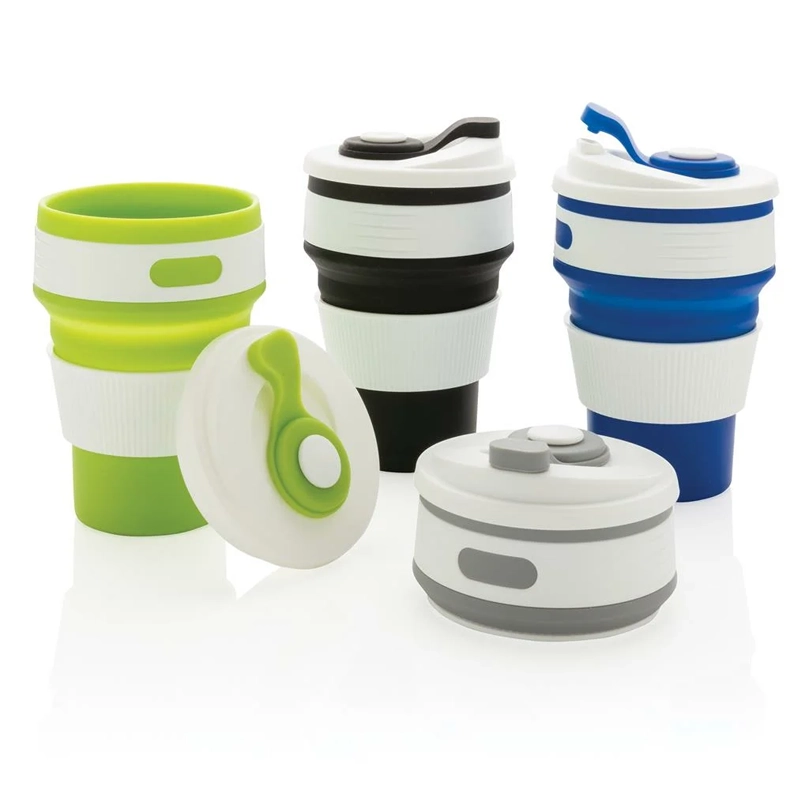
How Safety Testing Works For Silicone Cups
Professional suppliers and manufacturers follow strict laboratory testing procedures before releasing silicone drinkware to the market. Typical tests include:
Migration testing
Simulated food contact testing ensures that no harmful substances migrate into liquids under heat conditions.
Thermal stability testing
Products are exposed to repeated heating cycles to verify structural stability.
Mechanical durability testing
Compression, tear resistance, and fatigue testing confirm that cups maintain shape after prolonged use.
Odor and taste neutrality tests
Ensures that silicone does not alter the flavor of beverages.
These tests help verify that silicone cups remain safe during long-term usage.
When Silicone Coffee Cups Are Less Safe
Although silicone is generally safe, certain situations can reduce product safety:
- Low-quality fillers added to silicone compounds
- Improper curing processes during production
- Exposure to open flame or temperatures exceeding design limits
- Severe physical damage or degradation after long use
For this reason, sourcing from an experienced manufacturer with strong quality control systems is essential.
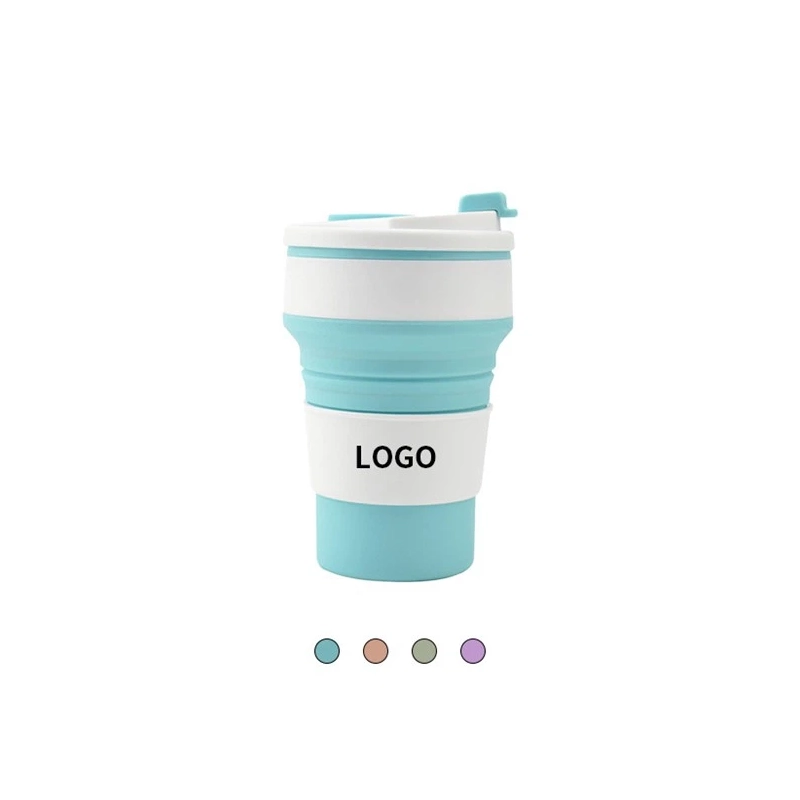
Manufacturing Process of Silicone Coffee Cups
Producing high-quality silicone drinkware requires precise material control and advanced molding technologies. At Siliconebase, the production process typically involves several key steps:
1. Material Preparation
High-purity silicone raw materials are mixed with curing agents and pigments to achieve the desired mechanical properties and color consistency.
2. Mold Design and Tooling
Engineers develop precision molds through CNC machining to ensure accurate wall thickness, ergonomic design, and surface texture.
3. Compression or Liquid Silicone Injection Molding
Silicone is injected or compressed into heated molds where it undergoes vulcanization, forming the final cup structure.
4. Post-Curing Process
A secondary heat treatment removes residual volatile compounds and improves food-grade purity.
5. Surface Finishing and Branding
Processes such as laser engraving, silk printing, or embossing add branding elements.
6. Quality Inspection and Packaging
Each batch undergoes dimensional checks, appearance inspection, and safety testing before packaging.
Through this controlled workflow, manufacturers can deliver consistent quality for global OEM clients.
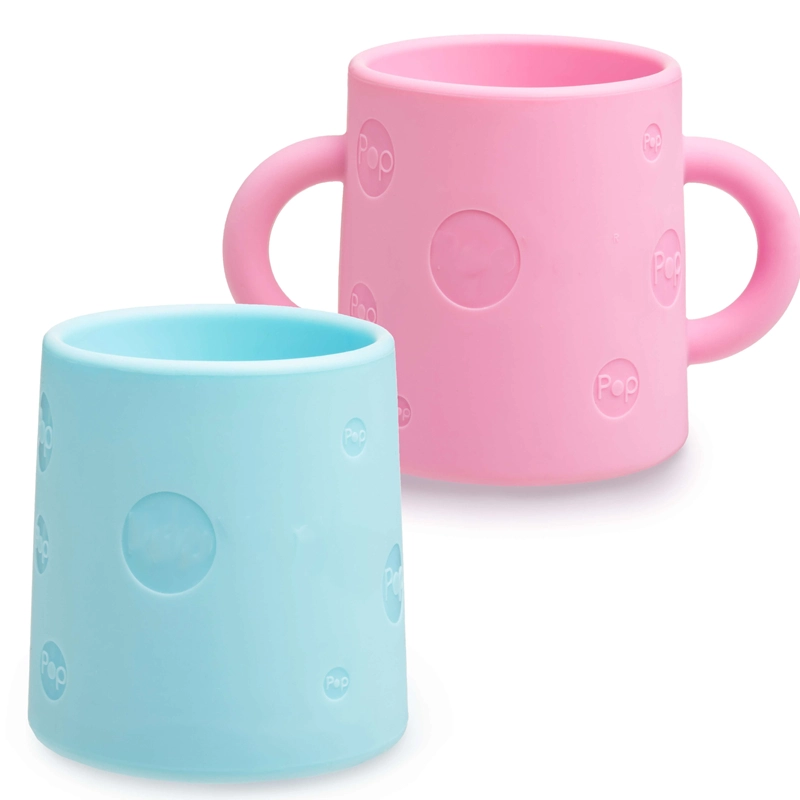
Silicone Versus Other Coffee Cup Materials
Choosing the right coffee cup material depends on durability, environmental impact, and safety considerations.
Common materials used for coffee cups include:
- Plastic
- Stainless steel
- Ceramic
- Glass
- Silicone
Each material offers unique advantages and limitations.
Material Comparison For Coffee Safety
Plastic Cups
Affordable and lightweight but may release microplastics or degrade under high heat.
Ceramic Cups
Stable and traditional but fragile and heavier for travel.
Stainless Steel Cups
Extremely durable but may alter beverage taste and conduct heat quickly.
Glass Cups
Pure and chemically stable but prone to breakage.
Silicone Cups
Flexible, heat resistant, shatterproof, and lightweight—making them particularly suitable for reusable and travel applications.
Because of these characteristics, silicone cups are increasingly used in sustainable product lines.
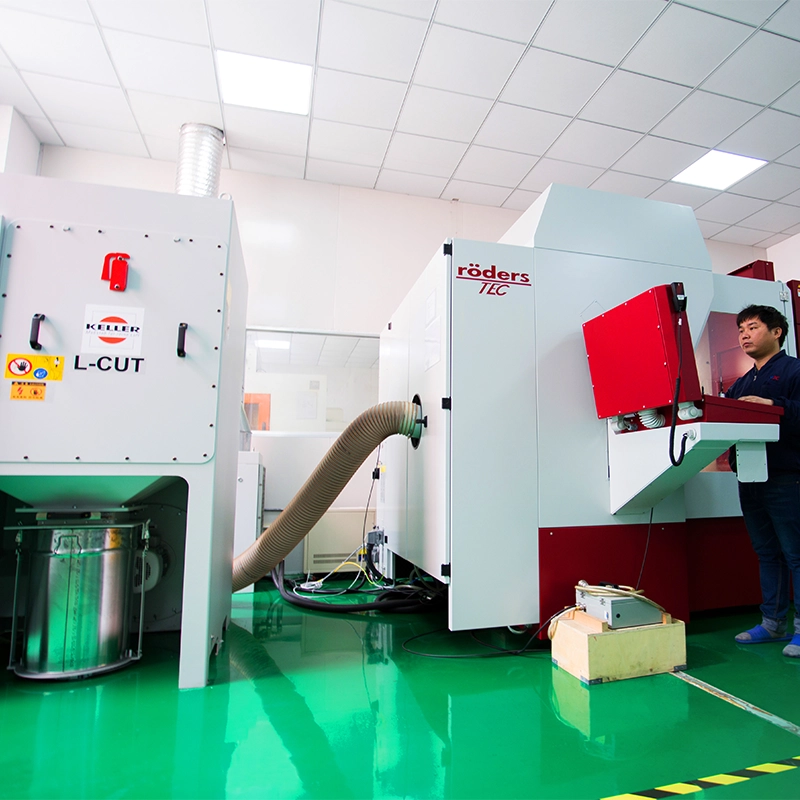
Practical Tips For Safe Silicone Cup Use
Pick A Good Silicone Coffee Cup
Choose products made from certified food-grade silicone and manufactured by reputable suppliers. Verify compliance with global safety standards and request testing documentation when sourcing in bulk.
Clean And Use The Cup With Care
Silicone cups are dishwasher safe and can be washed using mild detergents. Avoid abrasive cleaning tools that may damage the surface.
Know When To Replace A Silicone Coffee Cup
Even durable silicone products have a lifecycle. Replace cups if you notice:
- Visible tearing or cracks
- Persistent odor after cleaning
- Structural deformation due to extreme heat
Regular inspection ensures long-term safety and performance.
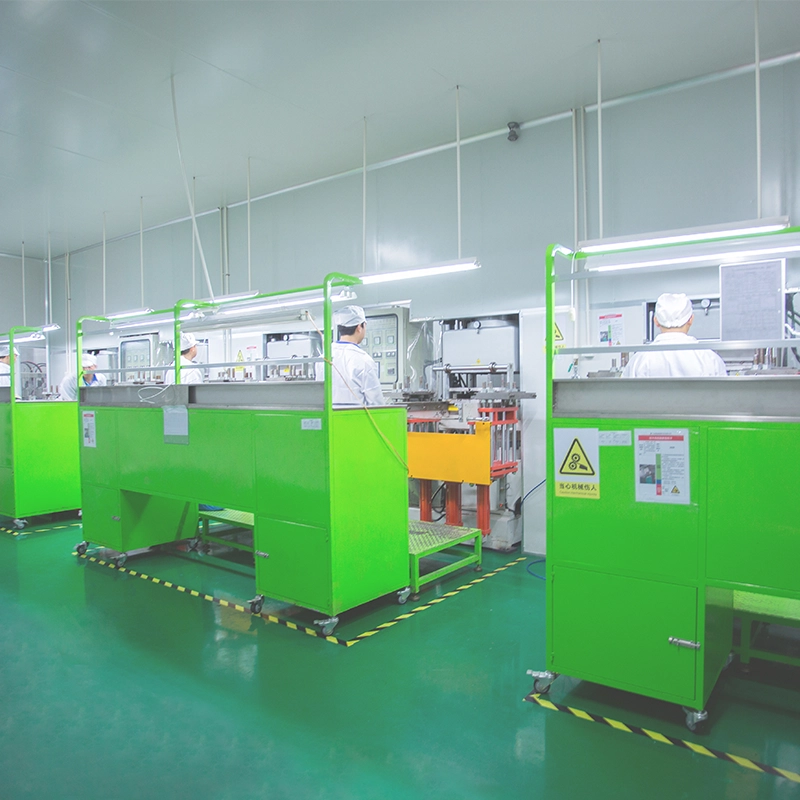
Conclusion
Silicone coffee cups offer a safe, durable, and environmentally friendly alternative to many traditional drinkware materials. When manufactured using high-quality food-grade silicone and validated through strict testing procedures, these cups can safely handle daily hot beverage use.
For brands and distributors seeking reliable production partners, working with an experienced manufacturer ensures consistent quality, regulatory compliance, and scalable production.
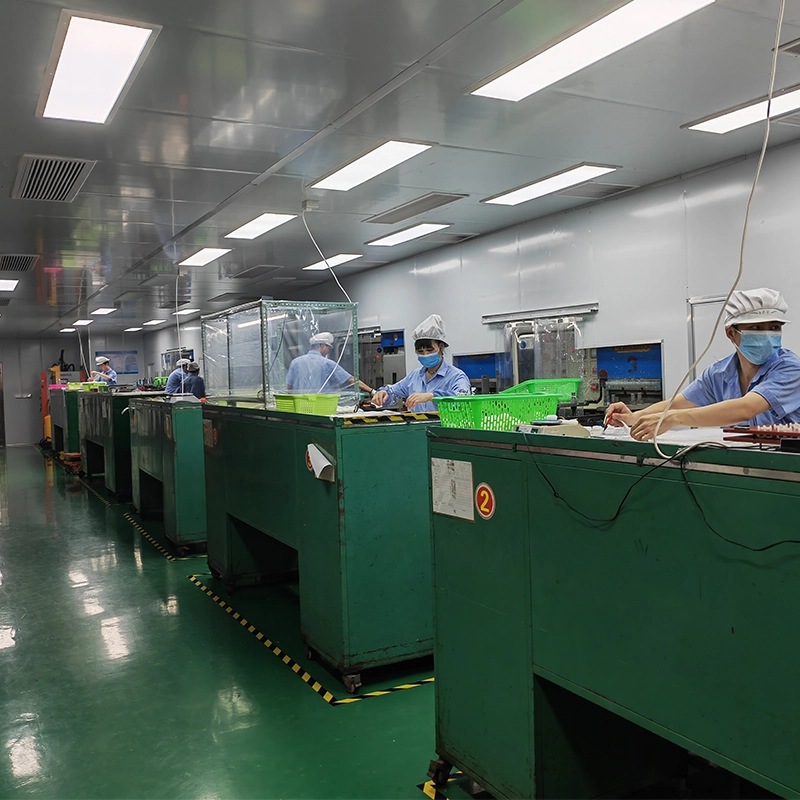
At Siliconebase, we specialize in custom silicone coffee cups, offering full OEM service and one-stop service from concept development to tooling, mass production, and packaging. Our engineering team collaborates closely with global clients to create innovative drinkware products that meet safety standards and market expectations.
If you are planning a new reusable coffee cup project or looking for a reliable silicone product partner, feel free to contact Siliconebase. Our team will be happy to discuss material options, design optimization, and production solutions for your next product line.