
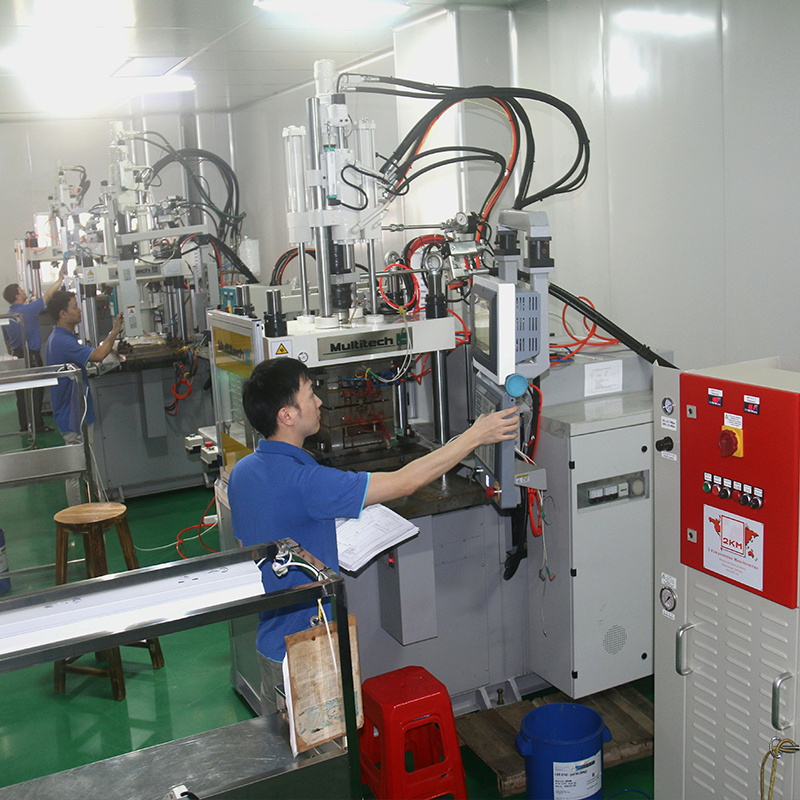
In the world of manufacturing, the choice of molding technique is crucial for producing high-quality products efficiently. Liquid Injection Molding (LIM), Compression Molding, and Transfer Molding each offer unique characteristics that make them suitable for different applications. This article will provide an in-depth examination of these three molding methods, outlining their similarities, differences, advantages, and specific use cases across various industries.
Liquid Injection Molding (LIM)
Liquid Injection Molding (LIM) is a highly efficient process that utilizes liquid silicone rubber (LSR) or similar elastomeric materials. This technique is particularly well-regarded for producing components that exhibit exceptional durability, flexibility, and precision. LIM is commonly used to manufacture a variety of products, including:
– Seals and Sealing Membranes: Essential in various applications, these components help prevent leaks in mechanical systems.
– Electrical and Electronic Components: LIM is ideal for producing connectors, insulators, and other critical electronic parts that require reliability and performance.
– Medical Devices and Sterile Components: The ability to meet stringent cleanliness and quality standards makes LIM a preferred choice for medical applications.
– Kitchenware: Many kitchen products, such as spatulas and molds, benefit from the heat resistance and flexibility of silicone.
– Infant Care Products: Items like baby bottle nipples and teething toys leverage LIM’s safety and durability.
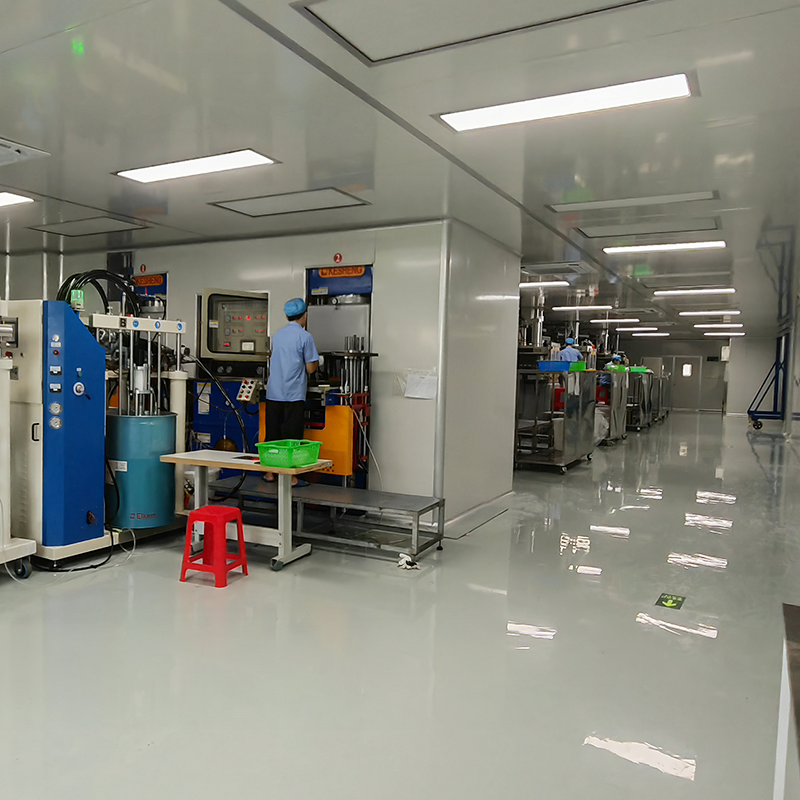
The LIM process involves a streamlined mechanical mixing system that minimizes labor-intensive tasks. A closed-loop system is employed, where a pump and mixing unit blend the liquid material before it is dispensed into a heated mold. After the curing phase, the mold opens to eject the finished product, which can be removed manually or via robotic automation.
One of the standout features of LIM is its cost-effectiveness and versatility. This molding method can be adapted for use in a wide range of industries, including:
– Aerospace: Components that require lightweight and durable materials are ideal candidates for LIM.
– Automotive: LIM is frequently used for parts like gaskets and seals, which must withstand harsh conditions.
– Electronics: The precision and reliability of LIM make it suitable for producing critical electronic parts.
– Food and Beverage: Products must meet high safety standards, and LIM’s materials are often FDA-compliant.
– Medical and Dental: The stringent requirements of these industries make LIM an attractive choice.
When implemented correctly, LIM consistently yields high-quality molded components in substantial quantities. However, it’s essential to consider whether silicone is the most suitable material for your application. Silicone can react negatively to specific environmental conditions, such as exposure to pressurized steam at temperatures exceeding 150°C, which may degrade the material’s siloxane polymer structure and compromise its properties.
Compression Molding
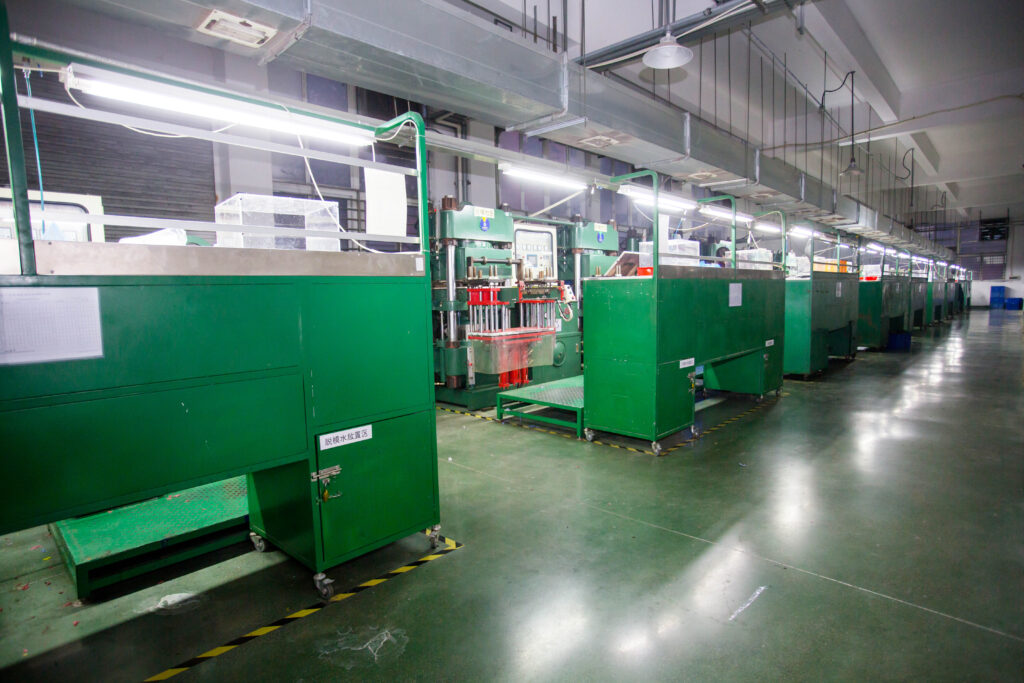
Compression molding is a versatile and widely-used technique that involves placing thermosetting resins into a heated mold cavity. Pressure is applied to compress the material, allowing it to fill the mold completely. This method enables precise control over both temperature and pressure throughout the manufacturing process, which is critical for achieving accurate part production.
The flexibility of compression molding makes it suitable for a broad range of applications. It can accommodate various sizes, thicknesses, and complexities of parts, addressing specific manufacturing challenges such as:
– Versatile Compound Requirements: This technique is ideal for creating parts that must meet varying performance specifications, allowing manufacturers to use different materials tailored to specific applications.
– Difficult-to-Mold Geometries: Parts with complex shapes that are challenging to produce through other methods can be efficiently created using compression molding.
– Prototype Parts: The ability to quickly adapt to different materials makes compression molding an excellent choice for developing prototype components.
– Insert Molding: This process allows for the integration of metal or other materials into plastic parts, enhancing their functionality.
– Dual Material Molding: Manufacturers can create parts with multiple materials in a single process, providing enhanced performance characteristics.
The resulting compression-molded parts are known for their environmental versatility and high chemical resistance. Common applications of compression molding include:
– Buttons: Used in various consumer products and electronic devices.
– Gaskets: Critical for sealing applications in automotive and industrial sectors.
– Respirator Masks: Essential in medical and safety applications.
– Spatulas and Kitchen Utensils: Items that benefit from the heat resistance of thermosetting resins.
– Syringe Stoppers: Used in pharmaceutical applications, requiring high cleanliness standards.
While compression molding is effective for high-volume production, Liquid Injection Molding offers advantages in terms of speed and consistency, requiring less manual labor. Additionally, compression molding often features quicker production changeover times, lower upfront material costs, and enhanced flexibility, allowing for rapid adjustments to meet changing production demands.
Before deciding on a molding technique for your project, it is essential to consult with your molding service provider. They can help assess whether compression molding is the best fit for your specific production requirements, ensuring that your manufacturing process runs smoothly.
Transfer Molding
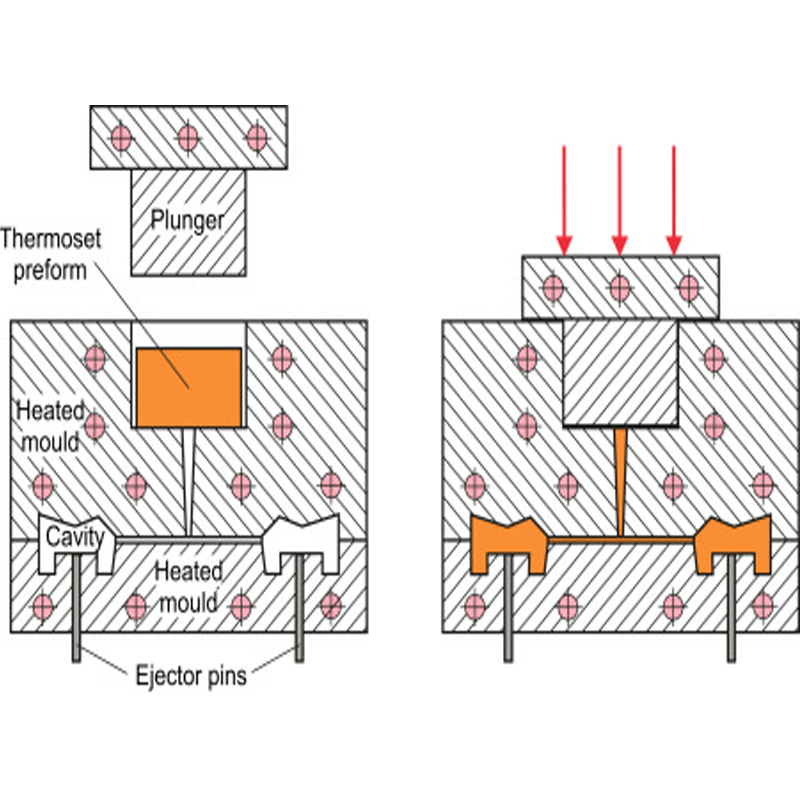
Transfer molding shares some similarities with compression molding but has distinct characteristics that set it apart. In this process, the material is placed into a heated chamber and is then transferred into the mold via a plunger through a sprue. This method allows for greater precision and control over the material flow into the mold, resulting in a high-quality final product.
One of the primary advantages of transfer molding is its efficiency in producing complex parts. The process offers several benefits over other molding methods, including:
– Minimal Flash Formation: Transfer molding significantly reduces the amount of excess material that can form at the parting lines, which is beneficial for maintaining part integrity and appearance.
– Faster Setup Times: The straightforward design of transfer molding tools allows for quicker setup, reducing downtime and increasing production efficiency.
– Lower Tooling Costs: The simpler tooling requirements can lead to cost savings in both setup and maintenance.
– Greater Design Flexibility: Transfer molding accommodates intricate part designs and complex geometries, making it suitable for a wide range of industrial applications.
Transfer molding is versatile and can be employed in various industries, including automotive, medical, and consumer goods.
Molding Solutions at Siliconebase
Selecting the appropriate molding process is critical for achieving your manufacturing goals. At Siliconebase, we have over 20 years of experience in providing tailored solutions that meet the diverse needs of our clients. Our commitment to quality and customer satisfaction drives us to continuously enhance our operations. Recently, we expanded our facility to improve material control and workflow efficiency, paving the way for future advancements in technology.
In conclusion, whether you choose Liquid Injection Molding, Compression Molding, or Transfer Molding, understanding the specific requirements of your project is vital. Each technique has its unique advantages, and the right choice can significantly impact the quality and efficiency of your production process. To learn more about our services and how we can assist you in achieving your manufacturing objectives, please reach out to us today. Let Siliconebase be your partner in precision and quality in the molding industry.