The healthcare industry is always searching for materials that can improve the safety and performance of medical devices. One material that has been gaining attention in recent years is Liquid Silicone Rubber (LSR). LSR is particularly valued for its use in implantable medical devices—those that stay in the body for long periods, such as pacemakers, prosthetics, and catheters.
What is Liquid Silicone Rubber (LSR)?
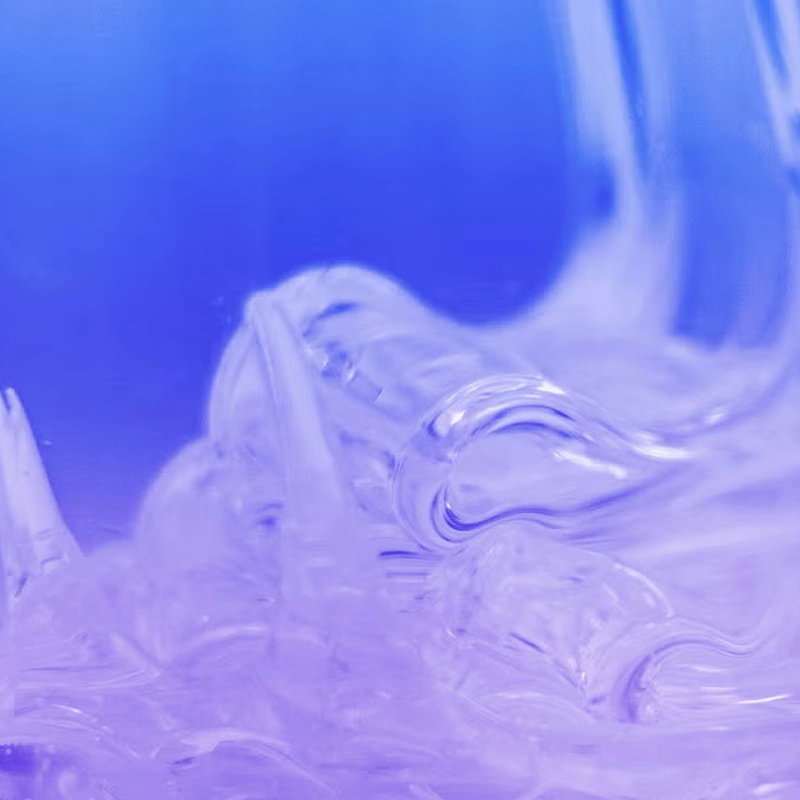
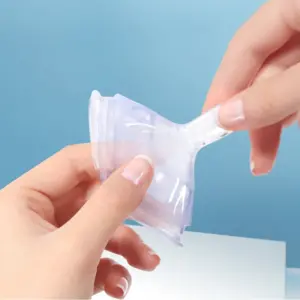
Liquid Silicone Rubber (LSR) is a special type of silicone that is liquid at room temperature and can be molded into various shapes using advanced techniques. It’s made from high-quality polymers and is known for being extremely durable, flexible, and resistant to heat and chemicals. These qualities make it perfect for use in medical devices that need to withstand wear and tear while maintaining safety and performance inside the human body.
Why is LSR Perfect for Healthcare?
1. Biocompatibility
When choosing materials for medical devices, one of the most important factors is biocompatibility—how well a material interacts with the body. LSR is highly biocompatible, meaning it won’t cause harmful reactions or allergies when implanted. This makes it ideal for implants and medical devices that are designed to stay inside the body for long periods. It’s been certified to meet rigorous international standards like ISO 10993 and USP Class VI, which ensures it is safe for human use.
2. Flexibility and Durability
Medical devices often need to move with the body or be flexible without losing their strength. LSR is incredibly flexible, which means it can bend, stretch, and conform to the body’s natural movements without breaking. For example, pacemaker leads, prosthetics, and orthopedic implants benefit from this flexibility. At the same time, LSR is durable and resistant to wear, ensuring the devices stay functional and intact for years.
3. Chemical and Heat Resistance
Healthcare devices are regularly exposed to cleaning chemicals, bodily fluids, and high temperatures during sterilization. LSR stands up to these harsh conditions. It won’t degrade when exposed to body fluids, chemicals, or high heat, making it ideal for autoclaving (a sterilization process). This durability ensures that medical devices last longer without losing their performance.
Key Applications of Implantable LSR in Healthcare
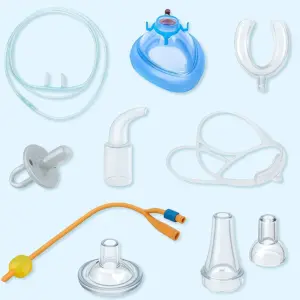
LSR is used in a wide range of implantable medical devices due to its unique properties. Some key applications include:
-
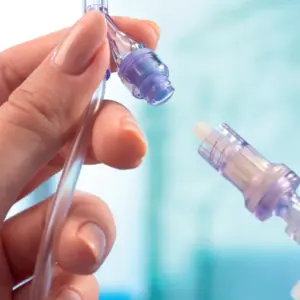
Cardiovascular Devices: LSR is used in pacemaker components, heart valves, and catheters due to its flexibility, biocompatibility, and resistance to bodily fluids.
-
Orthopedic Implants: Prosthetics, joint replacements, and other orthopedic devices benefit from LSR’s strength and wear resistance.
-
Surgical Tools: LSR is used in surgical drapes, seals, and tubing, where flexibility and precision are critical.
-
Ophthalmic Implants: Devices for eye surgeries and lenses use LSR for its clarity, safety, and flexibility.
SiliconeBase’s Role in LSR Manufacturing
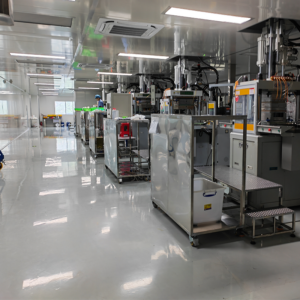
At SiliconeBase, we specialize in manufacturing high-quality implantable LSR products that meet the highest standards of safety and reliability. Our factory is equipped with cutting-edge technology and follows the best industry practices to ensure the accuracy and precision of every component. We use state-of-the-art injection molding techniques to create durable, flexible, and biocompatible LSR parts that meet the demanding needs of the healthcare industry.
Our team works closely with clients to develop customized LSR solutions, whether it’s a new product or an enhancement of an existing design. We are proud to offer products that meet important certifications like ISO 13485, which guarantees that our manufacturing process complies with medical device quality management standards.
Industry Certifications and Standards
For medical devices, safety and quality are non-negotiable. LSR used in healthcare products must meet global standards. Some of the most important certifications for LSR materials include:
-
ISO 13485: This certification ensures that our manufacturing process meets medical device industry standards for quality management.
-
ISO 10993: This set of standards ensures the biocompatibility of materials used in medical devices.
-
USP Class VI: This certification guarantees that LSR is safe for implantation in the human body.
Conclusion
Liquid Silicone Rubber (LSR) has revolutionized the healthcare industry with its biocompatibility, flexibility, and durability. It’s the ideal material for a wide range of medical implants and devices, offering long-term safety and performance. At SiliconeBase, we are proud to be at the forefront of LSR manufacturing, creating high-quality, safe, and reliable products that improve the lives of patients worldwide.
Whether you’re developing a new device or enhancing an existing one, SiliconeBase is here to provide innovative, customized solutions for the healthcare sector.