
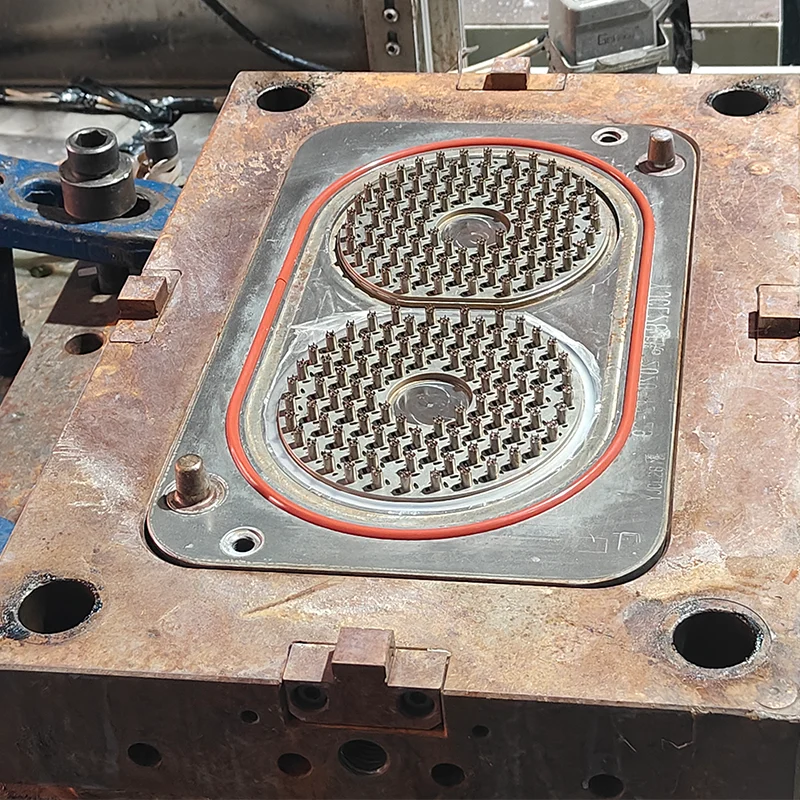
For OEM manufacturers and industrial product designers, overmolding has become a highly effective solution for improving product durability, sealing performance, ergonomics, and aesthetics. From consumer electronics to automotive components and premium bathroom accessories, the overmolding process is widely used to combine multiple materials into a single functional part.
However, many sourcing managers and product engineers still ask the same question: Is overmolding expensive compared to traditional injection molding? The answer depends on tooling complexity, material compatibility, production volume, automation level, and long-term product value.
In industries such as sanitary ware and shower component manufacturing, silicone overmolding and rubber overmolding technologies help improve waterproof sealing, grip comfort, and product longevity. Understanding the real cost structure behind overmolding injection molding helps buyers make smarter sourcing and engineering decisions.
Why Does Overmolding Cost More Than Standard Injection Molding?
Compared with standard single-shot molding, overmolding involves additional engineering, tooling, materials, and production steps. Multiple materials must bond reliably while maintaining dimensional precision and long-term durability.
Common reasons for higher overmolding costs include:
- More complex tooling systems
- Additional molding cycles
- Material compatibility requirements
- Higher inspection standards
- Manual or automated part transfer
- Longer production setup time
Although initial costs are typically higher, plastic overmolding often reduces downstream assembly costs and improves product performance significantly.
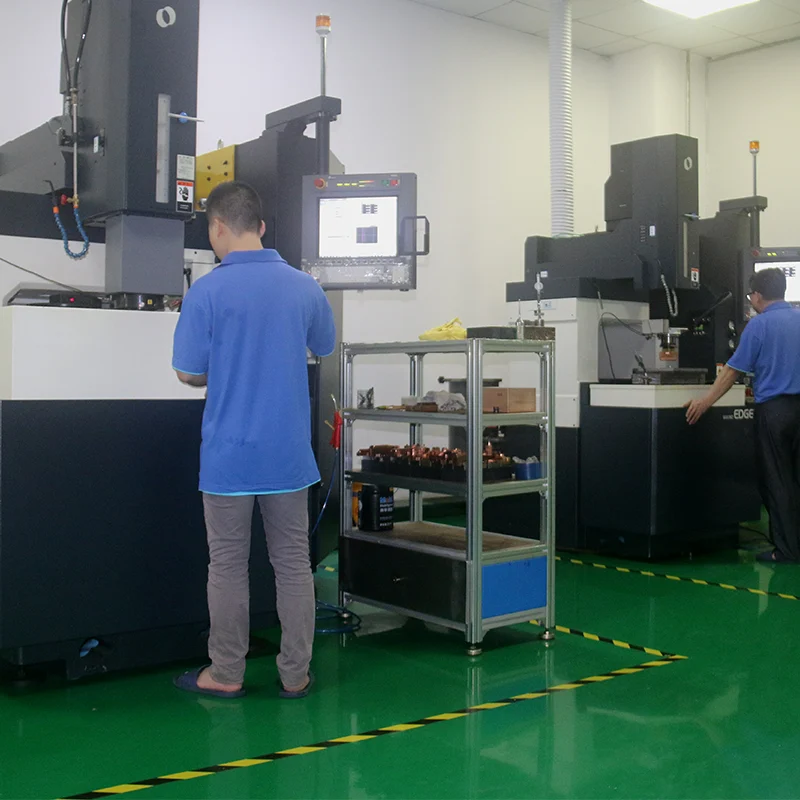
What Is Overmolding?
Overmolding is a manufacturing process where one material is molded over another substrate to create a single integrated component. Common combinations include:
- Silicone overmolding on plastic
- Rubber overmolding on metal
- TPE overmolding on ABS
- Soft-touch grips over rigid housings
This process improves functionality, appearance, sealing, shock resistance, and user comfort.
In shower product manufacturing, overmolding injection molding is frequently used for nozzles, handles, seals, and anti-slip components.
Overview of Overmolding Cost Structure
Overmolding costs are typically divided into several categories:
- Tooling investment
- Material costs
- Machine operation
- Labor requirements
- Quality inspection
- Secondary operations
- Production efficiency
The final cost depends heavily on product complexity and annual production volume.
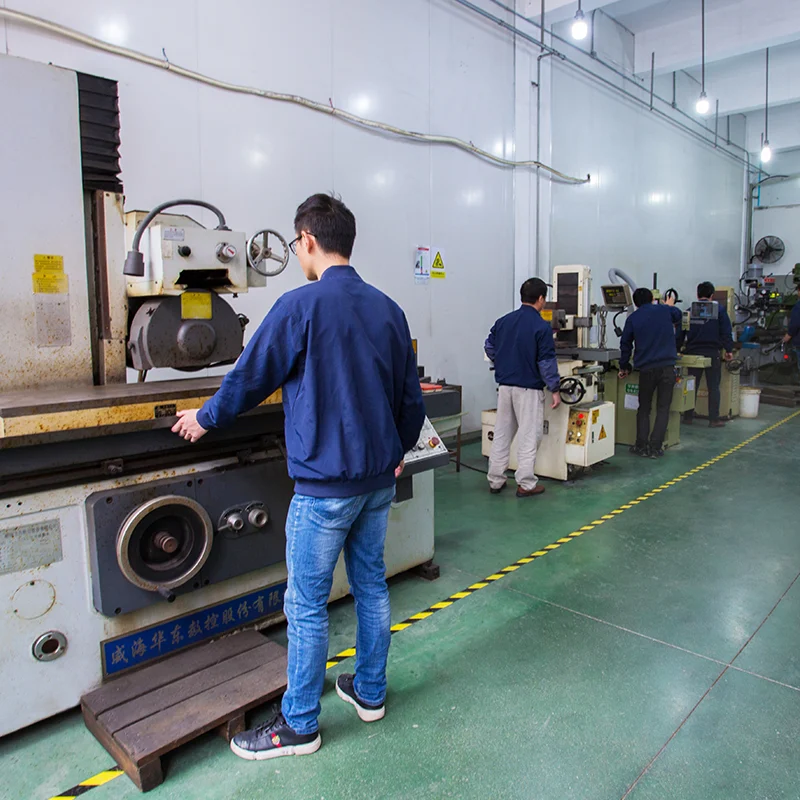
Tooling Cost Breakdown for Overmolding
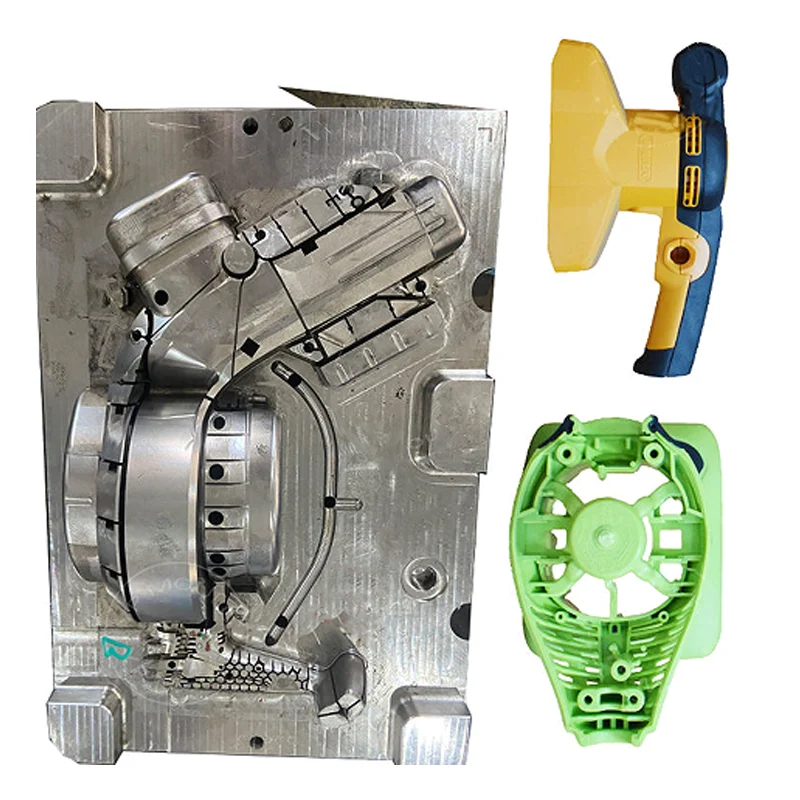
Tooling is often the largest upfront expense in rubber overmolding and silicone overmolding projects.
1. Number of Molds Required
Some projects require separate molds for substrate and overmold materials, increasing tooling investment.
Cost Comparison:
- Standard injection molding: Single mold system
- Overmolding injection molding: Multiple mold stages or rotating tooling systems
Multi-shot tooling systems provide higher efficiency but require more advanced engineering.
2. Mold Complexity and Design Features
Complex geometries, sealing structures, undercuts, and precision bonding zones increase mold manufacturing difficulty.
Advanced mold systems may include:
- Rotary platen systems
- Insert molding structures
- Precision venting systems
- Multi-material gating systems
3. Tool Steel Selection
Tool steel quality directly impacts mold lifespan and production stability.
Common tooling materials include:
- P20 steel
- H13 hardened steel
- S136 stainless mold steel
High-volume production usually requires hardened steel for improved durability.
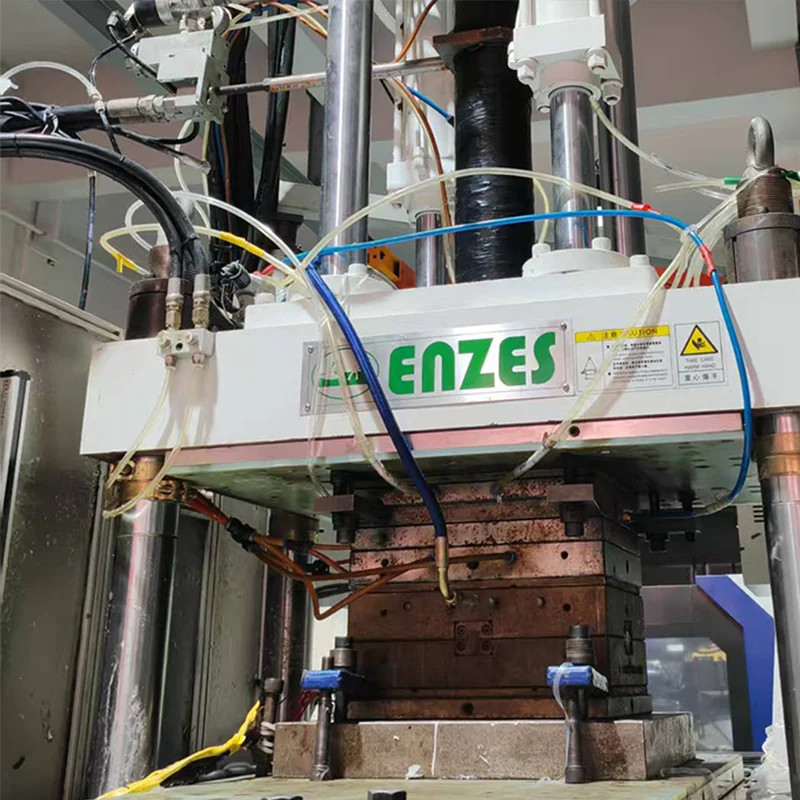
4. Mold Cavitation and Volume Planning
Higher cavity counts improve production efficiency but increase tooling complexity and initial investment.
Experienced suppliers help customers balance tooling cost and long-term production economics.
Material Cost Breakdown in Overmolding
Material selection greatly affects both manufacturing cost and product performance.
1. Substrate Material Costs
Common substrate materials include:
- ABS
- PC
- Nylon
- Polypropylene
- Stainless steel
Material grade influences durability, heat resistance, and bonding compatibility.
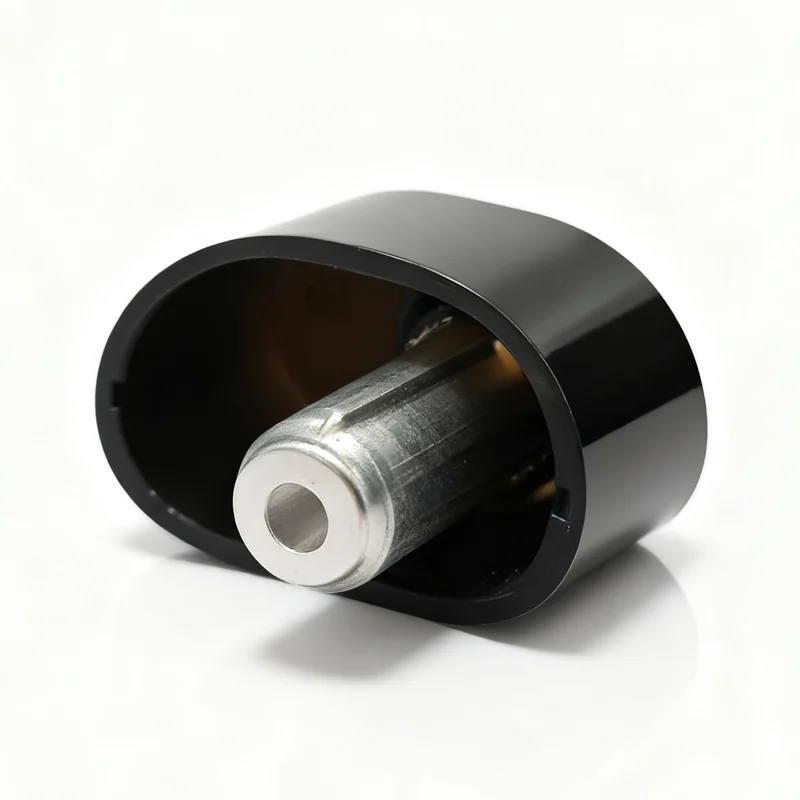
2. Overmold Material Costs
Common overmold materials include:
- Liquid silicone rubber (LSR)
- TPE
- TPU
- EPDM rubber
Silicone overmolding materials generally offer superior temperature resistance and waterproof performance.
3. Scrap and Waste Considerations
Material waste can increase when bonding quality or alignment is inconsistent.
Efficient mold design and automated production help minimize scrap rates.
4. Color, Texture, and Additives
Custom colors, antimicrobial additives, UV resistance, and textured finishes may increase material and processing costs.
Labor Cost Breakdown in Overmolding
Labor costs vary depending on automation level and production complexity.
1. Machine Setup and Changeover
Multi-material production often requires longer setup times and tighter process controls.
2. Manual vs Automated Part Transfer
Manual Transfer
Manual transfer lowers initial equipment investment but increases labor cost and variation risk.
Robotic or Automated Transfer
Automation improves consistency, reduces cycle time, and supports large-scale production.
3. Skilled Operator Requirements
Overmolding processes require experienced technicians to monitor bonding quality, temperature control, and dimensional consistency.
4. Cycle Time Impact
Compared with standard molding, overmolding cycles are typically longer because of multiple material injection stages.
Quality Control and Secondary Cost Factors
Precision quality control is essential in overmolding manufacturing.
1. Quality Inspection
Common inspections include:
- Bond strength testing
- Dimensional measurement
- Visual inspection
- Leak testing
2. Testing and Validation
For bathroom and industrial applications, testing may include:
- Thermal cycling
- Salt spray testing
- Pressure resistance
- Fatigue testing
3. Secondary Operations
Additional processes may include:
- Surface finishing
- Laser marking
- Assembly
- Packaging
Cost Comparison: Overmolding vs Alternative Processes
Compared with adhesive bonding or multi-part assembly, plastic overmolding offers several long-term advantages:
- Better sealing performance
- Improved durability
- Reduced assembly steps
- Enhanced appearance
- Better ergonomic performance
While tooling costs are higher initially, total lifecycle cost is often lower.
How to Reduce Overmolding Costs
1. Optimize Part Design Early
Early DFM analysis helps simplify tooling and improve manufacturability.
2. Choose Compatible Materials
Selecting naturally compatible materials improves bonding reliability and reduces defects.
3. Match Tooling to Volume
Tooling strategy should align with expected production quantity.
4. Plan for Scalability
Future production expansion should be considered during initial tooling design.
5. Work With an Experienced Overmolding Supplier
Experienced suppliers help reduce risk, improve efficiency, and optimize total project cost.
Real-World Overmolding Cost Example
A premium shower nozzle project using ABS substrate with silicone overmolding may include:
- Precision mold tooling investment
- LSR material cost
- Automated molding cycles
- Waterproof validation testing
- Surface finishing and assembly
Although initial tooling investment may be higher, the final product achieves superior sealing, anti-slip performance, and long-term durability.
Why Choose Us
In modern sanitary ware manufacturing, overmolding technology plays a critical role in improving durability, sealing reliability, comfort, and product appearance. Siliconebase supports global OEM customers with advanced silicone overmolding, rubber overmolding, and overmolding injection molding solutions for bathroom products, industrial components, and consumer applications.
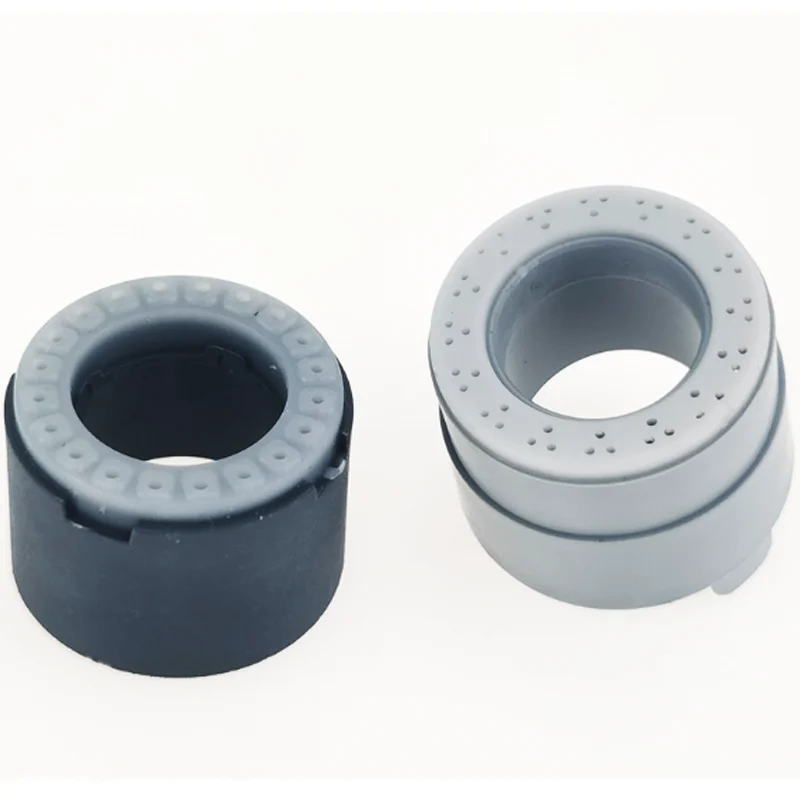
For customers seeking a reliable and customizable shower component solution, our ABS Overmolding Shower Head Nozzle provides excellent waterproof sealing, anti-clogging performance, high-temperature resistance, and long-term durability. The combination of rigid ABS structure and flexible silicone overmolding creates improved spray performance and enhanced user comfort.
From a professional B2B manufacturing perspective, Siliconebase offers:
- Advanced LSR and plastic overmolding production lines
- Precision mold manufacturing capability
- DFM engineering optimization support
- Automated injection molding systems
- Strict dimensional and leak testing procedures
- Stable large-volume production capacity
- Competitive OEM pricing
- Reliable global supply chain support
Our engineering and manufacturing teams work closely with OEM brands to develop customized overmolding solutions that balance performance, durability, and production efficiency.
Conclusion
So, is overmolding expensive? Compared with traditional molding, the initial investment is usually higher due to tooling complexity, multi-material processing, and advanced quality requirements. However, overmolding injection molding often delivers superior product value through improved durability, sealing, ergonomics, and reduced assembly costs.
For OEM buyers and industrial product developers, partnering with an experienced overmolding manufacturer helps optimize production cost while ensuring long-term product performance and manufacturing consistency.
If you are developing premium bathroom components, industrial sealing products, or multi-material assemblies, Siliconebase can support your project with professional engineering and scalable manufacturing solutions.
FAQs
1. Is overmolding more expensive than injection molding?
Yes. Overmolding usually requires more complex tooling, multiple materials, and longer production cycles.
2. What materials are commonly used in silicone overmolding?
Common materials include ABS, PC, nylon, stainless steel, LSR silicone, TPE, and TPU.
3. What industries use overmolding injection molding?
Automotive, medical, electronics, consumer products, and sanitary ware industries widely use overmolding technologies.
4. How can overmolding costs be reduced?
Costs can be reduced through DFM optimization, automation, compatible material selection, and scalable tooling strategies.
5. Why is silicone overmolding popular in shower products?
Silicone offers excellent waterproof sealing, flexibility, heat resistance, and anti-clogging performance for bathroom applications.