
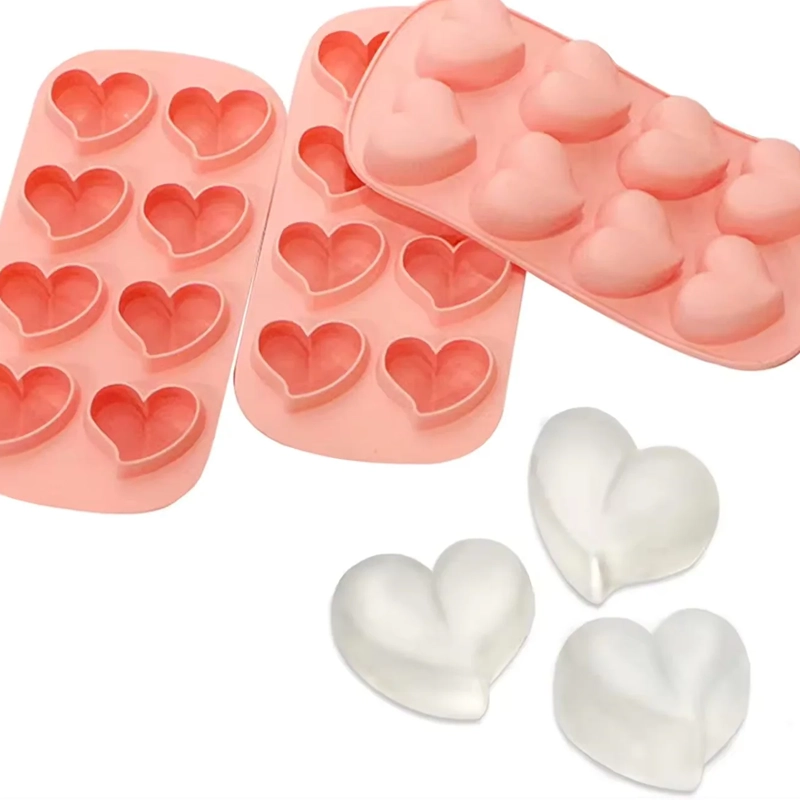
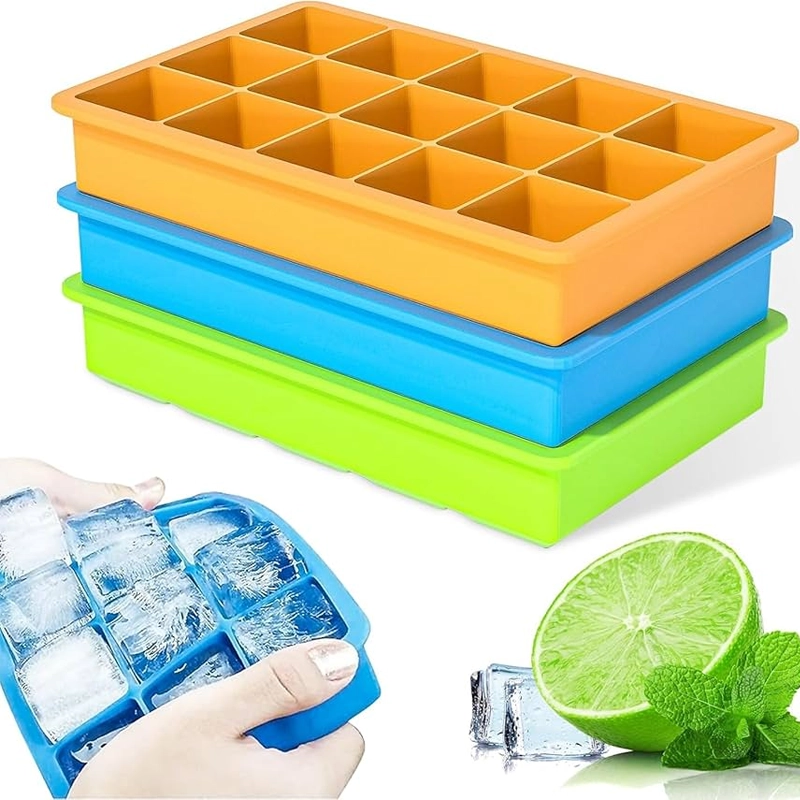
At Siliconebase, we help brands, distributors, and product developers source silicone ice cube tray mold solutions that are built for commercial performance, private-label branding, and repeatable production. Silicone ice cube tray molds are widely used in kitchenware, beverage, and promotional product industries because they offer flexibility, food safety, easy release, and strong customization potential. For B2B buyers, the key is not just choosing a finished tray, but selecting the right material, mold structure, and manufacturing process for your product line.
1. Material Integrity: Beyond “Food Grade”
A silicone mold is only as good as the compound behind it. For commercial buyers, “food grade” is the starting point, not the finish line. You should evaluate whether the material is stable, odor-free, durable, and suitable for repeated freezer use.
One-Sentence Definition
A silicone ice cube tray mold is a precision mold used to produce flexible silicone trays that form and release ice cubes efficiently for retail, hospitality, and OEM products.
For food-contact products, buyers typically compare platinum-cured silicone and peroxide-cured silicone. Platinum-cured materials are often preferred for premium applications because they usually offer better purity, lower odor, and a cleaner finish. Peroxide-cured options can still work well, but quality control becomes even more important.
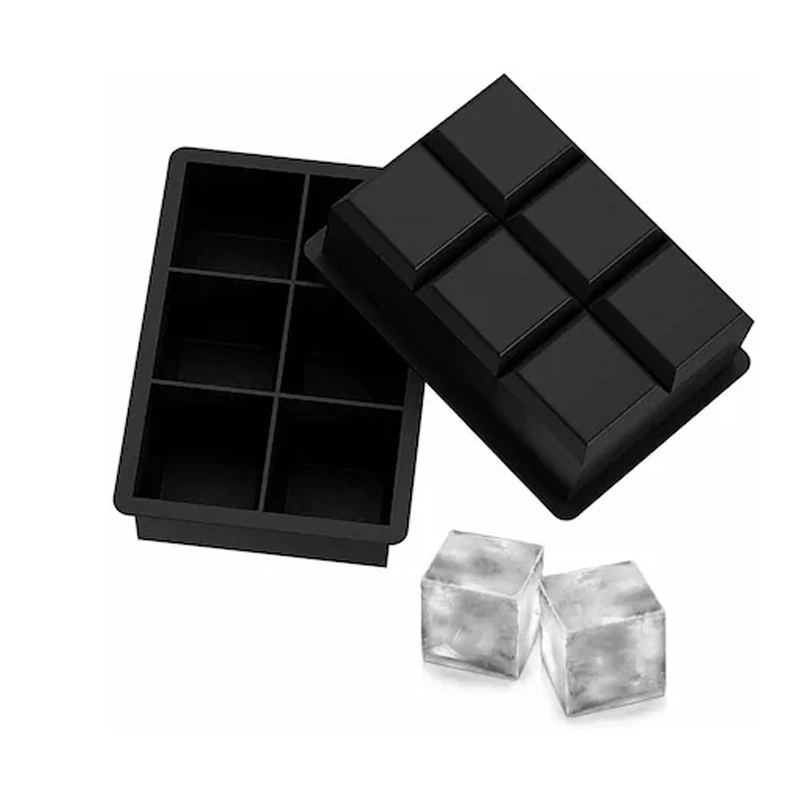
Pros of Good Silicone Material
- Flexible in cold conditions
- Easy to demold
- Durable for repeated use
- Strong customization potential
- Suitable for silicone ice trays with lids and ice cube trays with covers
Cons of Lower-Grade Material
- Odor or taste transfer
- Poor shape retention
- Weak release performance
- Inconsistent wall thickness
- Lower long-term customer satisfaction
2. Design Engineering: Function Meets Aesthetics
The best tray is not just attractive. It must also be practical for filling, freezing, stacking, and releasing. This is where flexible ice cube trays stand out from rigid plastic options.
What B2B Buyers Should Look For
- Cube size and shape
- Wall thickness
- Lid design for spill control and odor protection
- Easy-release performance
- Stackability for retail and warehouse efficiency
For beverage brands, oversized cubes or specialty shapes may be more valuable than standard trays. For hotels and restaurants, repeatability and fast release matter more. For promotional products, logo integration and retail packaging are often the top priorities.
If you are sourcing silicone ice trays with lids, make sure the lid fits tightly enough to reduce contamination, freezer odor absorption, and product spill during transport.
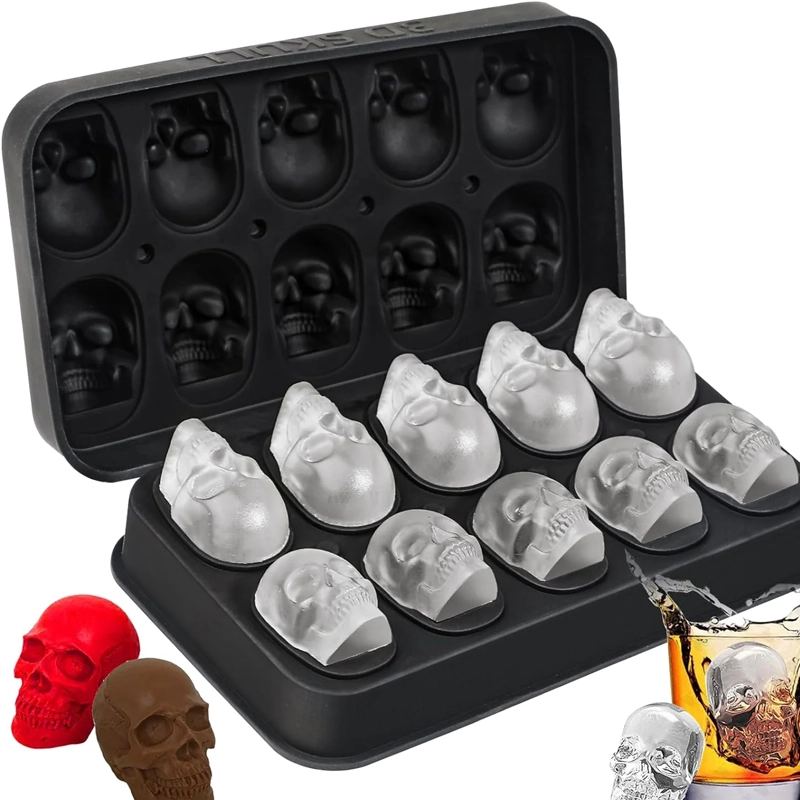
3. Production Excellence & Technical Support
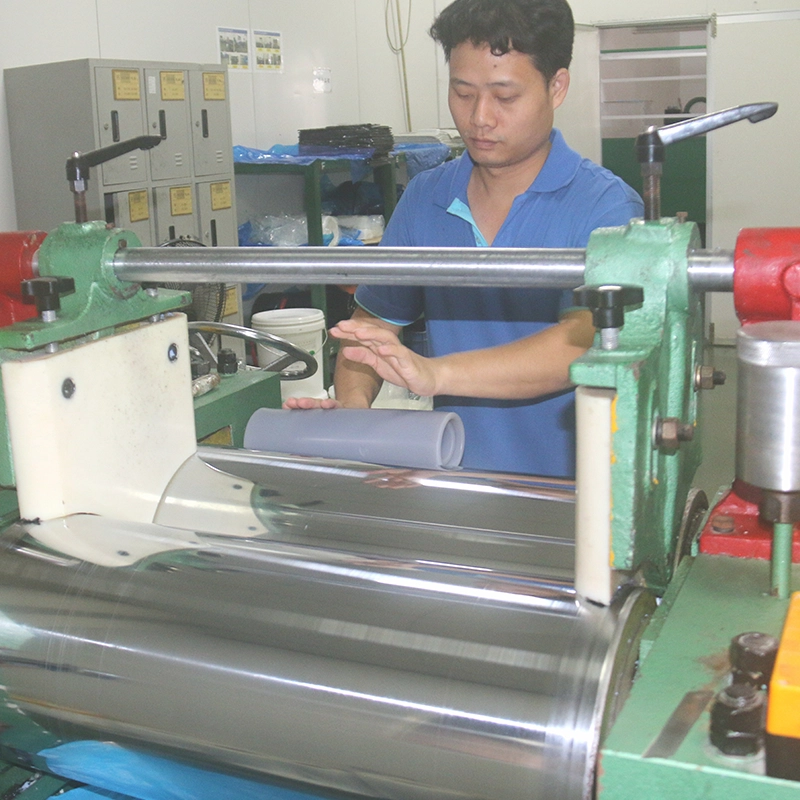
A real OEM partner should be able to support development from concept to mass production. That includes tooling, sample approval, quality checks, and packaging.
How Silicone Ice Cube Tray Molds Are Manufactured
The production process usually includes:
- Tooling development
- Sample testing
- Compression molding or injection molding
- Trimming and finishing
- Functional testing
- Packaging and shipment
Compression molding is often used for simpler structures and thicker profiles. Injection molding may be used when the design requires more detail, higher precision, or more complex features. A reliable factory should be able to recommend the right process based on your shape, volume, and target cost.

OEM Service and Customization
For private-label and branded products, OEM service can include:
- Custom shape
- Logo molding
- Color matching
- Retail packaging
- Multi-cavity mold design
That flexibility is one reason silicone ice molds are so popular in commercial product lines. They allow buyers to build unique SKUs instead of selling the same generic tray as everyone else.
4. Consumer Usage & Maintenance
Even in a B2B buying guide, end-user experience matters. If the tray is hard to fill, difficult to release, or awkward to clean, customer complaints will follow.
Why Silicone Performs Well
Silicone stays flexible in the freezer, which helps the tray release cubes with minimal effort. It also supports easier cleaning and better long-term use than many rigid alternatives.
Common Use Scenarios
- Beverage brands needing large whiskey cubes
- Bars and restaurants serving premium cocktails
- Hotel supply chains
- Kitchenware brands
- Promotional product programs with logo branding
For these applications, ice cube trays with covers are often preferred because they help protect the tray during freezing and storage. They also improve shipping stability and retail presentation.
Silicone vs Plastic Ice Cube Trays
Here is a simple comparison buyers can use during sourcing:
| Factor | Silicone | Plastic |
|---|---|---|
| Flexibility | High | Low |
| Release | Easy | Hard |
| Food safety | Strong | Depends |
| Durability | High | Medium |
| Customization | Strong | Limited |
Key Difference
Choose silicone if your product strategy values flexibility, better release, and stronger branding potential. Choose plastic if your main goal is the lowest cost and a very simple structure.
What B2B Buyers Should Look For
Before placing an order, ask your supplier or factory these questions:
1. Is the material food-contact safe?
Request material details and testing documentation. For commercial buyers, this is essential.
2. Can the mold support your exact cube size?
Different markets want different cube sizes, from standard cubes to large cocktail cubes.
3. Can the design include a lid?
If you need silicone ice trays with lids, confirm lid fit, sealing behavior, and stackability.
4. What is the MOQ and lead time?
Commercial programs need clear planning. Ask about tooling cost, sample lead time, and production schedule.
5. Can you support OEM branding?
Your partner should be able to handle logos, colors, packaging, and retail-ready presentation.
Quality Control & Certifications
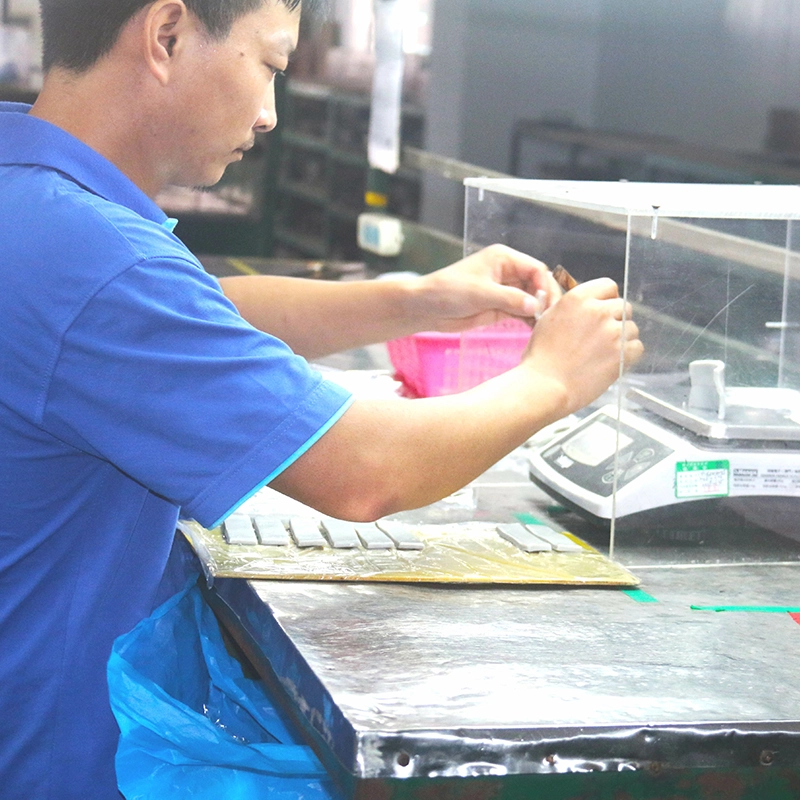
For B2B sourcing, consistency matters as much as appearance. A good factory should have a clear inspection process and documented quality standards.
Common checks include:
- Material inspection
- Dimensional control
- Release performance test
- Lid fit test
- Odor check
- Packaging verification
Depending on your market, buyers may also ask for FDA, LFGB, or ISO-related documentation. These certificates help support trust in the product and reduce sourcing risk.
Summary Checklist for Retailers
Before you choose a supplier, make sure the product checks these boxes:
- Food-grade silicone material
- Stable freezer performance
- Easy-release cavity design
- Optional cover or lid
- Custom branding support
- Reasonable MOQ and lead time
- Clear OEM service process
Frequently Asked Questions
Is silicone safe for food use?
Yes, when it is made from food-grade materials and produced by a qualified manufacturer.
What is the typical MOQ?
MOQ depends on the mold structure, customization level, and packaging needs.
Can I customize cube size?
Yes. Custom cube size is one of the biggest advantages of silicone ice molds.
What is the lead time?
Lead time depends on tooling complexity, sample approval, and production volume.
Can you support private label?
Yes. OEM service can include branding, packaging, and custom design support.
Conclusion
Choose silicone ice cube tray mold products if you need better flexibility, easier release, and stronger customization potential for your product line. Choose plastic if your priority is the lowest cost and a simple structure. For most commercial and OEM buyers, silicone offers the better long-term value because it supports premium design, repeatable production, and stronger retail appeal.
At Siliconebase, we support customers who need dependable silicone ice cube tray solutions, including flexible ice cube trays, silicone ice trays with lids, and ice cube trays with covers for retail and OEM projects. If you are planning a new product line, share your target shape, packaging needs, and order volume with us. We would be glad to help you evaluate the right mold, material, and manufacturing approach for your market.