
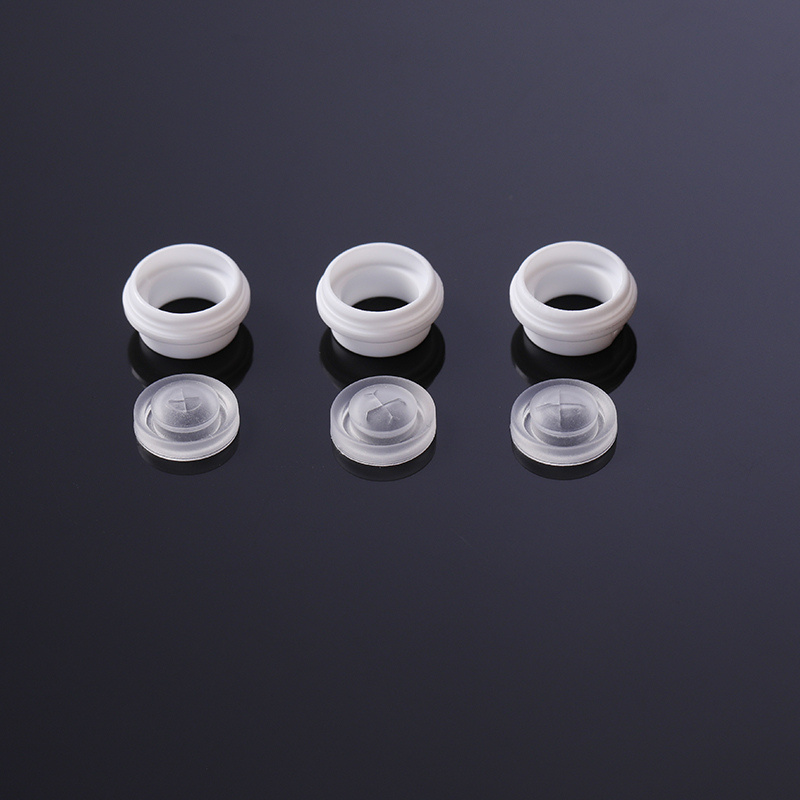
Thanks — let’s walk through everything a product engineer, procurement manager, or brand owner needs to know about silicone cross-slit valves, from materials and design to manufacturing, testing, and supplier selection. At Siliconebase we design and produce millions of precision LSR valves each year, and in this guide I’ll share practical, factory-level insight so you can choose the right valve and the right partner for your project.
What a Silicone Cross-Slit Valve Is and Why It Matters
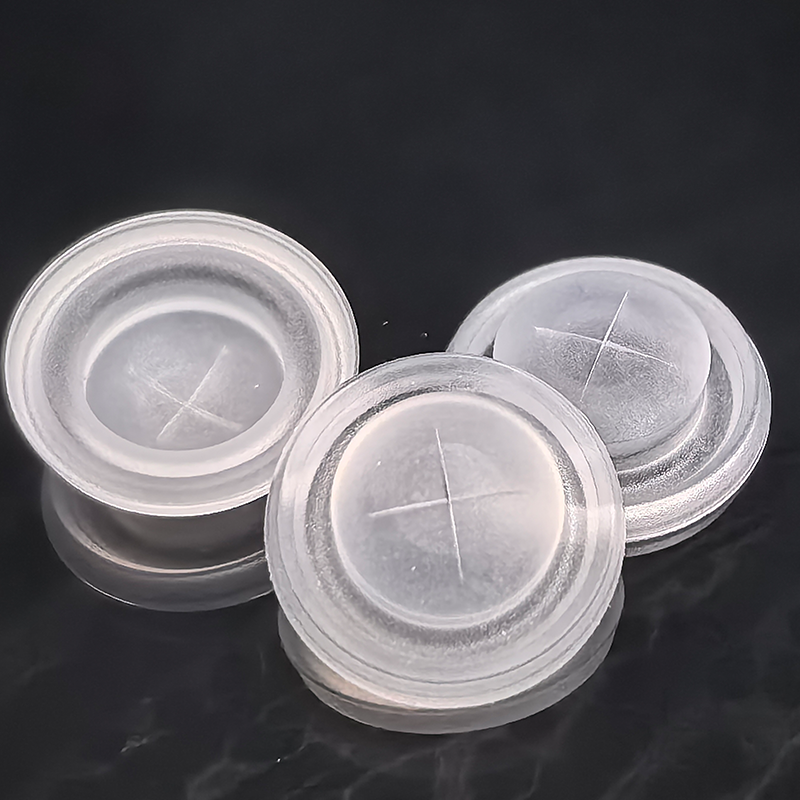
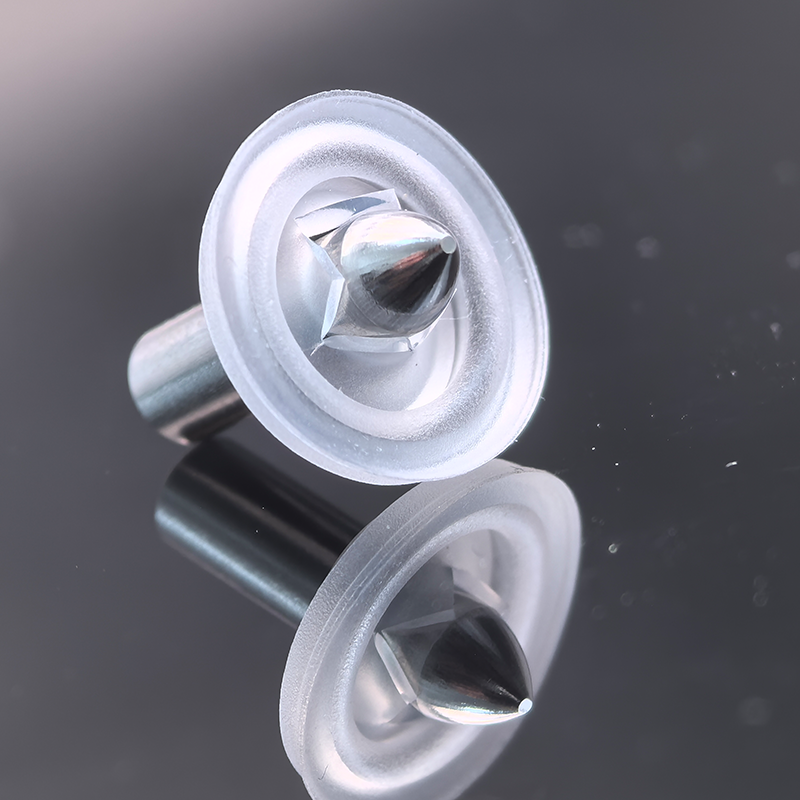
A silicone cross-slit valve is a small, normally-closed elastomeric valve molded from food-grade liquid silicone rubber (LSR). The valve’s working face is cut or molded with a cross-shaped slit. At rest that slit remains sealed, preventing leaks and air ingress. When the container is squeezed or pressure is applied, the slit opens along its arms to permit controlled dispensing, then snaps shut again when pressure is removed.
Because the cross geometry balances opening force and sealing performance, these valves deliver:
- Reliable leak prevention for fluids ranging from thin water-based liquids to viscous condiments
- Precise dosing and smooth flow for user experience and reduced product waste
- Low maintenance performance across temperature cycles and repeated use
From a manufacturing and OEM perspective, the cross-slit valve is compact, inexpensive per unit in volume, and highly customizable — making it a go-to component for food, cosmetics, sport bottles, medical packaging, and travel containers.
Core Materials and Material Grades
High quality LSR is the industry standard for cross-slit valves. Key attributes we consider at Siliconebase:
- Food-grade compliance: FDA 21 CFR and LFGB compliance for direct food contact. We also work with suppliers that provide full material traceability.
- Thermal stability: LSR maintains flexibility across a wide temperature range, typically −60°C to +200°C depending on grade. This matters for hot-fill, pasteurization, and sterilization processes.
- Aging resistance and low migration: High-purity LSR minimizes extractables and odor transfer — critical for edible and sensitive formulations.
- Shore hardness options: Typical valves range from Shore A 20 to 60. Softer grades open with lower squeeze force while harder grades offer firmer shutoff and higher abrasion resistance.
We partner with well-known silicone suppliers and can quote alternative grades if your application requires antimicrobial additives, high-temp stability, or extended UV resistance.
How the Design Affects Performance
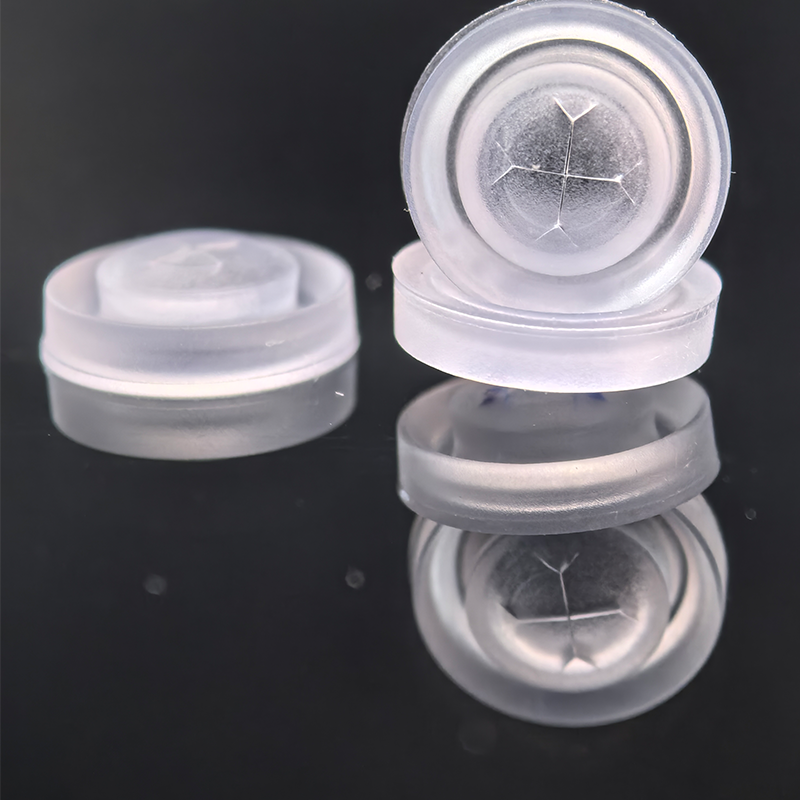
Design parameters drive how a valve behaves in real life. Key design levers include:
- Slit geometry: Arm length and slit width determine opening pressure and flow profile. Longer arms and narrower slits lower leak risk but may increase required squeeze force.
- Wall thickness: Locally controlling wall thickness around the slit balances sealing and durability. Tolerances are critical; typical production tolerance is ±0.03 mm on wall sections for high precision valves.
- Durometer (Shore A): Softer LSR reduces required squeeze force; firmer LSR improves long-term dimensional stability.
- Seat and bearing geometry: A well-designed mating seat or counterbore improves leak resistance in press-fit or snap-in assemblies.
- Surface finish and texture: Smooth finishes reduce fluid retention and make cleaning easier in food or cosmetic applications.
For OEMs we offer engineering DFM reviews, finite element squeeze-analysis for critical designs, and iterative prototyping to dial in the “feel” and flow curve you want.
Manufacturing: From Mold to Final Valve
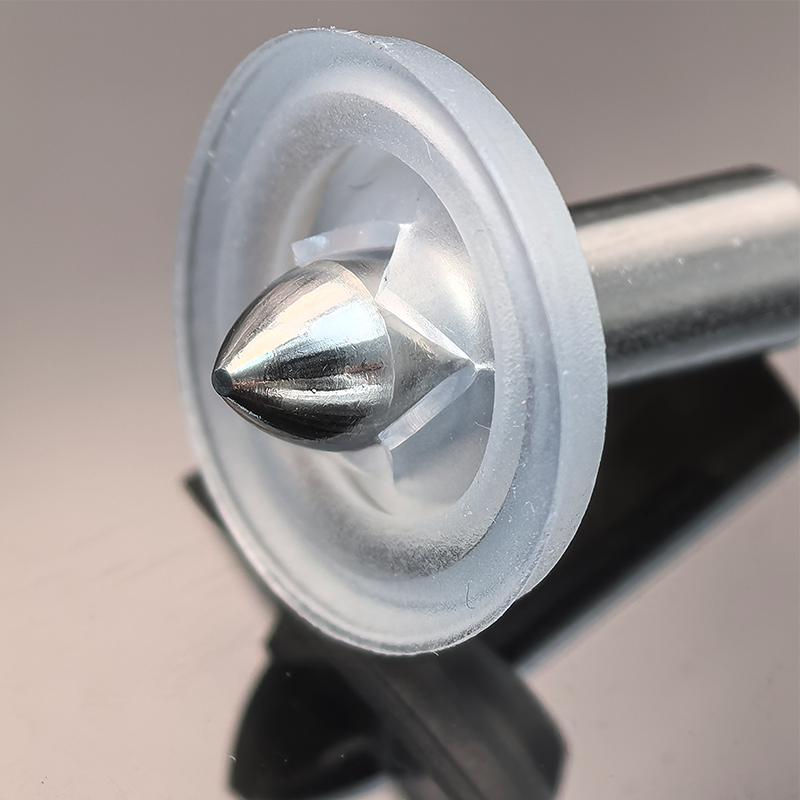
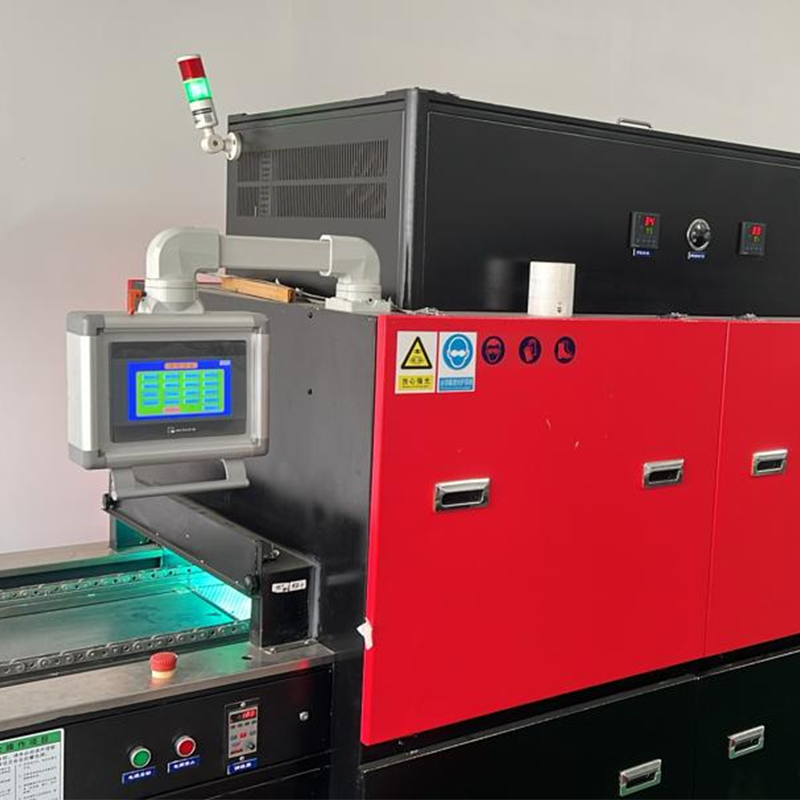
High-volume silicone cross-slit valves are manufactured using LSR injection molding. A robust production line looks like this:
- Tooling and mold validation — high-precision stainless steel molds with slide geometry where required. Mold qualification includes first-article inspection and sample runs to validate geometry and cure profiles.
- LSR dosing and injection — two-component metering systems for accurate A/B ratio and shot-to-shot consistency. Process controls maintain viscosity and cure.
- In-mold features and demolding — many valves can be molded with a preformed slit that is finished post-mold, or the slit can be created via automated punching/stamping after cure.
- Automated optical inspection (AOI) — high-resolution vision systems check slit alignment, slit width, and external dimensions across the entire output.
- Functional testing — inline leak testing (pressure or vacuum cycles), opening force measurement, and cycle durability tests (hundreds to thousands of actuation cycles as required).
- Assembly and packaging — valves are assembled into plugs, caps, or inserts as needed, then cleaned, packed, and shipped under traceable batch records.
At Siliconebase our production lines are designed for high yield and minimal variation. Typical capacity per LSR line can exceed 100k units per day depending on valve size and cycle time, and we scale capacity across multiple lines for large OEM projects.
Quality Control and Certifications
Quality control must be rigorous for valves used in food, cosmetics, and medical packaging. Typical factory controls and certifications you should expect from a reputable manufacturer:
- Material Certificates of Analysis (CoA) with lot traceability
- Process control: SPC charts for critical dimensions and in-process testing logs
- Functional testing: 100% visual AOI and sample functional testing per lot
- Certifications: FDA, LFGB as required; ISO 9001 quality systems; ISO 13485 for medical OEMs; IATF 16949 for automotive components if applicable
We also offer full documentation packages for regulatory submissions and can support supplier audits for your procurement team.

Customization and OEM Service
Cross-slit valves are almost always customized to product viscosity, container design, and user preference. Typical OEM/custom services offered:
- Custom tooling and rapid prototyping — aluminum prototype molds or soft tooling for low volume validation before steel mold investment.
- Custom colors and branding — specified colors, insert logos, or matching parts to your product palette.
- Integrated assemblies — overmolding, snap caps, or bonded inserts for a one-stop manufacturing solution.
- Kitting and JIT delivery — packaging to your spec and direct supply to assembly lines under Kanban or scheduled deliveries.
Siliconebase provides a full OEM service: mold design, mold making, LSR molding, post-processing, testing, and assembly. Our goal is to remove project friction so you get Repeatable performance and reliable lead times.
Selecting a Supplier: Practical Criteria
When choosing a valve supplier evaluate:
- Technical capability — Do they have LSR injection experience and AOI?
- Quality systems — Can they provide CoAs, SPC data, and batch traceability?
- Customization capability — Are they set up for tooling and iterative prototyping?
- Capacity & lead times — Do they meet your MOQ and forecast? Standard MOQs vary by supplier; many reputable factories accept smaller prototype runs and scale to millions/month.
- Regulatory support — Can they supply the documentation you need for FDA, LFGB, or other regulations?
Price is important, but material selection, tight tolerances, and QC processes are the real drivers of long-term performance and cost-of-ownership.
Practical Design Tips for Brands and Engineers
- Specify expected dispense viscosity and desired dose per squeeze to get the correct slit geometry.
- Ask for opening force curves rather than a single number. That curve shows real usability.
- Consider environmental conditions your product faces, such as hot-fill, freezing, or sterilization. Choose LSR grades accordingly.
- Request durability testing matched to expected usage cycles. For consumer products 10k cycles is common; medical single-use parts will have different standards.
Final Thoughts and Next Steps
If you’re sourcing silicone cross-slit valves for food, cosmetics, medical, or sport bottle applications, technical detail and factory capability matter more than price alone. At Siliconebase we combine engineering support, in-house tooling, high-precision LSR molding, and full OEM service to deliver high quality valves that perform reliably in the field.
Want a valve performance review or a free design for manufacturability assessment? Reach out to Siliconebase with your product specs, target viscosity, and expected annual volumes. We’ll provide a tailored quotation, prototype timetable, and sample plan so you can validate performance before committing to tooling.