
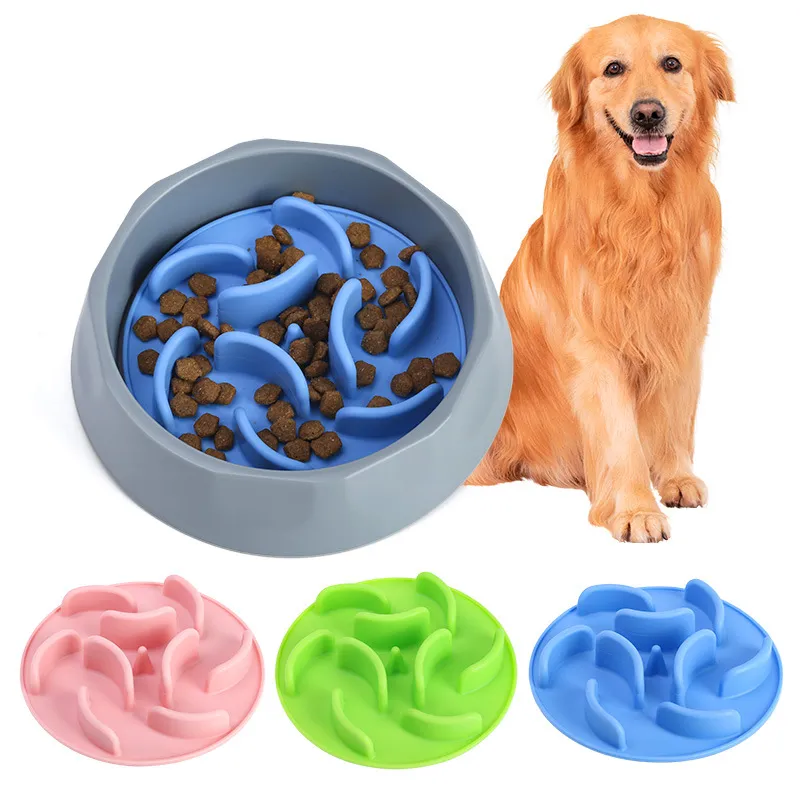
Are you designing a new pet toy and wondering how soft or stiff it should be? At Siliconebase, we talk Shore hardness every day—because the durometer you pick is one of the single biggest factors that determines a toy’s safety, durability, and play value. In this post we’ll explain Shore scales (A and 00), walk through how hardness affects performance, compare silicone and natural rubber, recommend durometers for different pet types and toy styles, and describe the testing and production controls we use in our factory to deliver high quality pet toys. If you want a custom service partner that can prototype, test, and scale—our one-stop service is set up to do exactly that.
What is Shore Hardness and Why It Matters
Shore hardness measures a material’s resistance to indentation using a standardized tool called a durometer. Results are reported on scales such as Shore A (common for rubbers and silicones used in pet toys) and Shore 00 (for very soft gels and foams). The number runs from 0–100: higher values mean a harder material.
Why is this important? Because durometer directly influences three core toy characteristics:
- Durability — harder elastomers generally resist puncture, tear, and abrasion better.
- Comfort and Mouthfeel — softer materials are gentler on teeth and gums, which matters for puppies and small pets.
- Function — bounce, squeeze-to-dispense behavior, and treat-release dynamics all depend on hardness.
Selecting the wrong hardness can make a toy shred in minutes or—worse—pose risks to a pet’s teeth or choking hazards from broken fragments. As a manufacturer, we balance these trade-offs with material formulation, wall thickness, and design geometry.
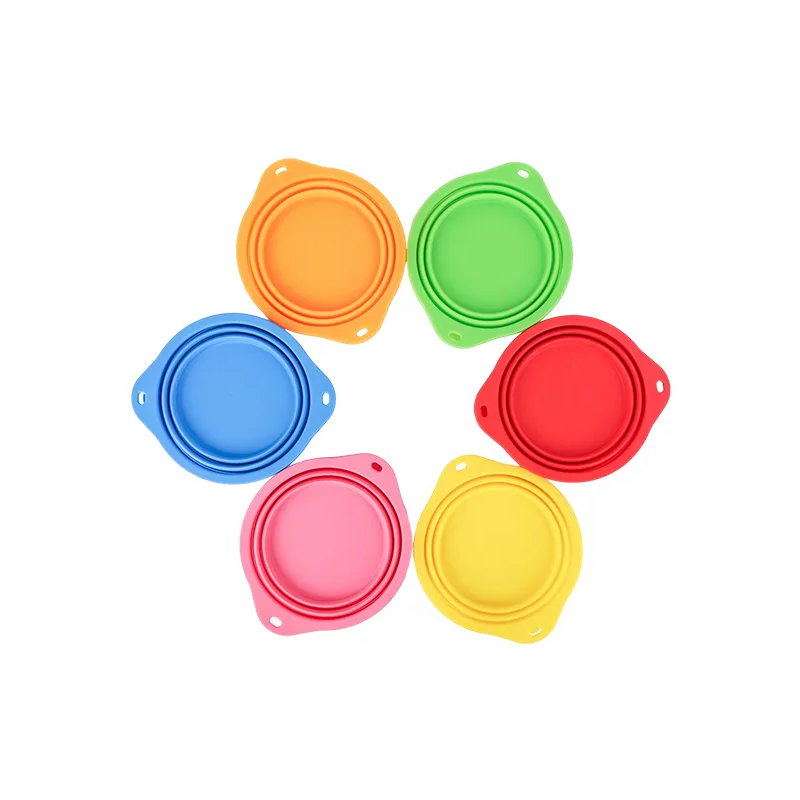
Shore A vs. Shore 00 — Which Scale to Use?
- Shore A: Most solid pet toys (chew toys, balls, treat dispensers) use Shore A. Typical ranges for pet products fall roughly between 15A and 85A.
- Shore 00: Reserved for ultra-soft products (soft pads, gel inserts). Rare for chew toys—used when a very cushioned feel is required.
As a practical rule, if your pet toy is meant to be bitten, squeezed, or chewed, design around Shore A values.
How Hardness Impacts Performance — The Tradeoffs
Durability vs. Flexibility
- Softer (low A): More elastic, pleasant to bite, but lower tear and puncture resistance. Good for teething puppies and senior dogs with sensitive teeth.
- Harder (high A): Greater resistance to puncture and wear—ideal for heavy chewers—but too hard may be uncomfortable or even damaging to teeth.
Bounce and Grip
- Mid-range hardness (≈ 40–65A) gives the best combination of bounce and grip for fetch toys.
- Very soft balls flop; very hard balls can be dangerous if the pet bites down.
Safety Considerations
- Avoid extremes: materials above 85A are generally too rigid for prolonged chewing and may increase dental risk. Materials below 20A risk rapid tearing and ingestion if not carefully designed.
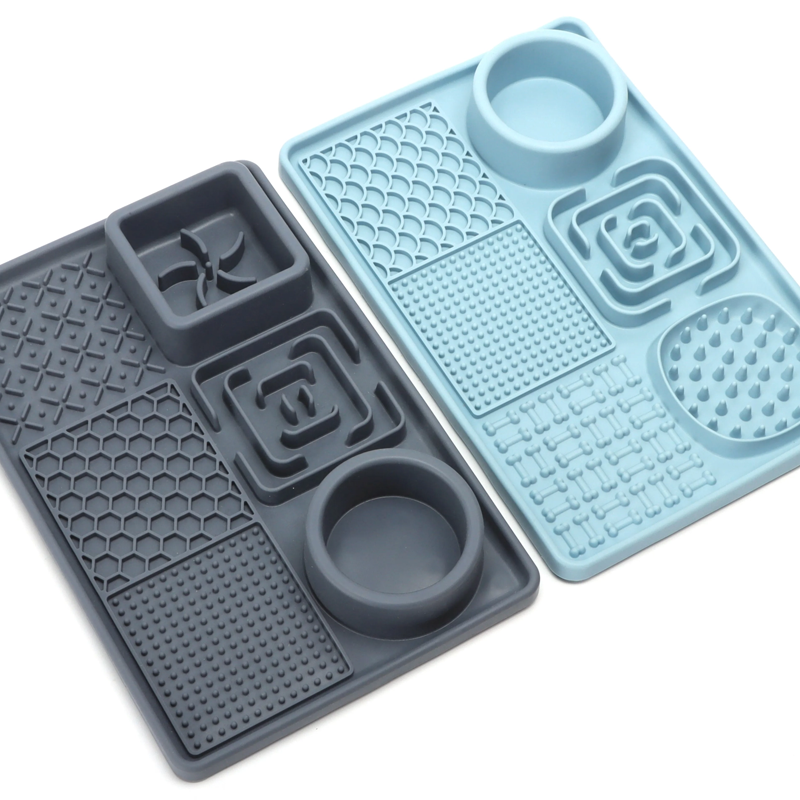
Silicone vs. Natural Rubber — Material Selection
Both materials are widely used for pet toys; each brings advantages.
Silicone
- Strengths: Biocompatible, heat-sterilizable, colorfast, inert (won’t leach), excellent for food-contact and treat toys. Available in a wide durometer range and ideal for one-stop service solutions where hygiene matters.
- Weaknesses: Typically lower tear strength than natural rubber at the same durometer, so silicone toys often require thicker walls or reinforced geometry for heavy chewers.
Natural Rubber (Latex)
- Strengths: Excellent tear and tensile strength; classic “bounce” and texture many dogs prefer. Can be formulated across a broad hardness range (from soft puppy toys to extremely tough “extreme” versions).
- Weaknesses: Organic aging over many years, potential latex proteins (rare allergen considerations), and less heat stability than silicone.
At Siliconebase, we advise material choice based on intended use, desired life span, sterilization needs, and regulatory constraints. For treat-dispensing products we often specify food-grade platinum-cured silicone; for extreme chewers we favor engineered natural rubber or high-durometer TPR blends.
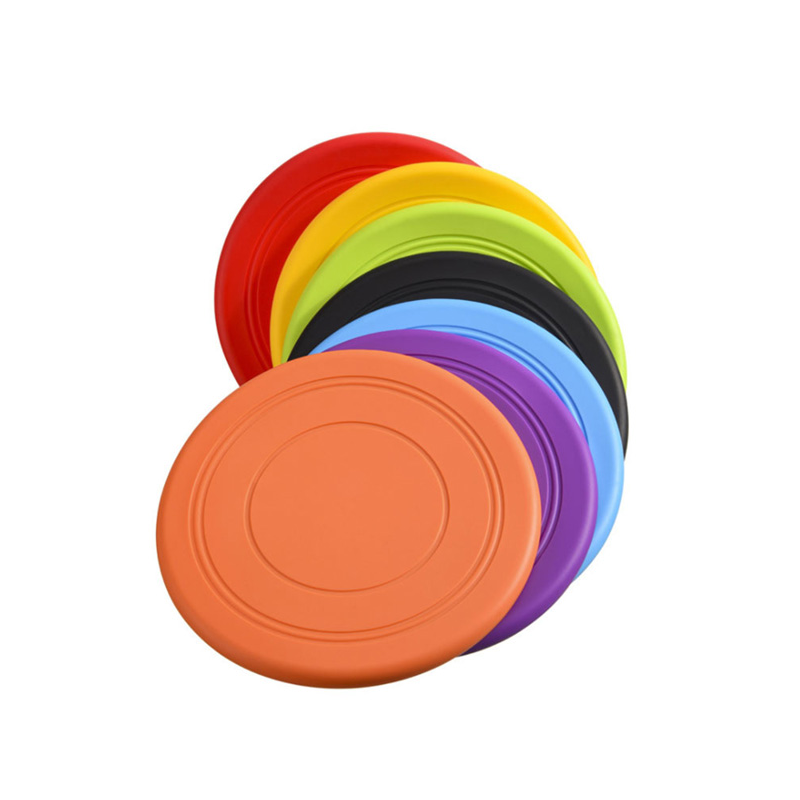
Recommended Hardness Ranges by Use Case
These are practical starting points designers and brands can use:
- Puppy Toys / Teething Aids: 15–30A (soft, compressible, gentle on developing teeth)
- Small Dogs / Light Chewers: 30–50A
- All-Purpose Adult Dogs: 45–60A (good balance of durability and flex)
- Large Dogs / Aggressive Chewers: 60–80A (or layered constructions with softer outer skins and tougher cores)
- Fetch Balls & Flyers: 50–65A for good bounce and grip
- Treat-Dispensing Toys: 40–60A to allow squeeze action while resisting tearing
- Cat Toys: 20–40A — softer textures appeal to cats and reduce dental risk
We recommend prototyping across two or three durometers to validate real-world behavior before finalizing production.
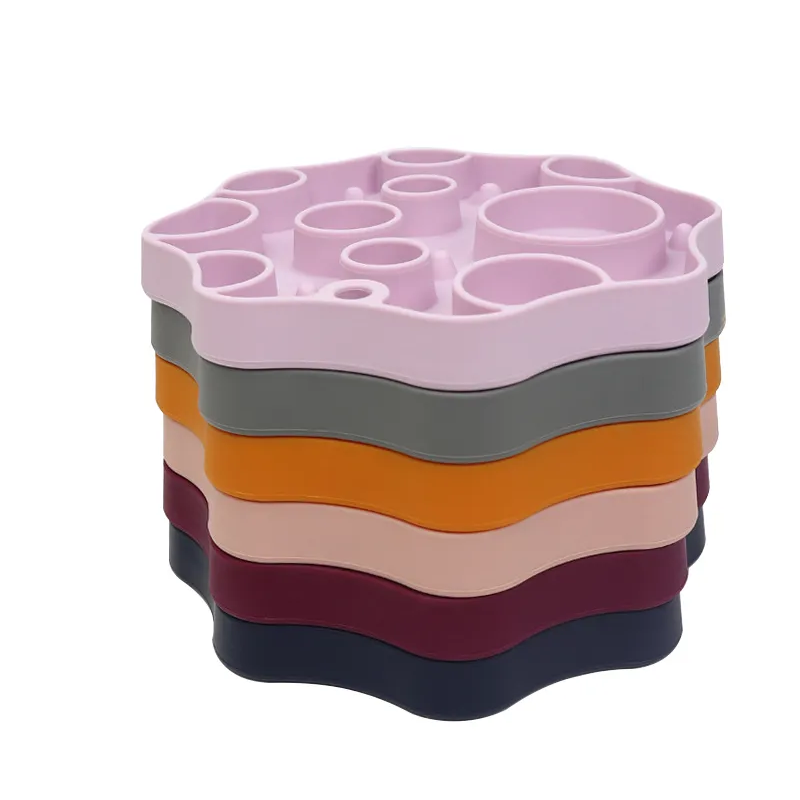
Design & Manufacturing Tips from Our Factory Floor
Picking hardness is only one variable. Robust manufacturing practice makes the difference between a prototype and a reliable product:
- Wall thickness and geometry: Thicker sections dramatically increase tear resistance. Avoid sharp corners and thin appendages on heavy-chew designs.
- Multi-layer & overmolding: Combine a firm core with a softer skin for comfort plus toughness.
- Cure control: For silicone, accurate curing time and temperature control are necessary to hit target Shore values consistently.
- Material compounding: We custom-tune formulations to reach target durometer and mechanical performance while maintaining safety (food-grade, non-toxic).
- Tooling: Mold design, venting, and gate placement affect structural uniformity and potential weak spots.
As a manufacturer and factory with full tooling capabilities, Siliconebase provides custom service from concept through production—helping you align hardness, design, and manufacturability.
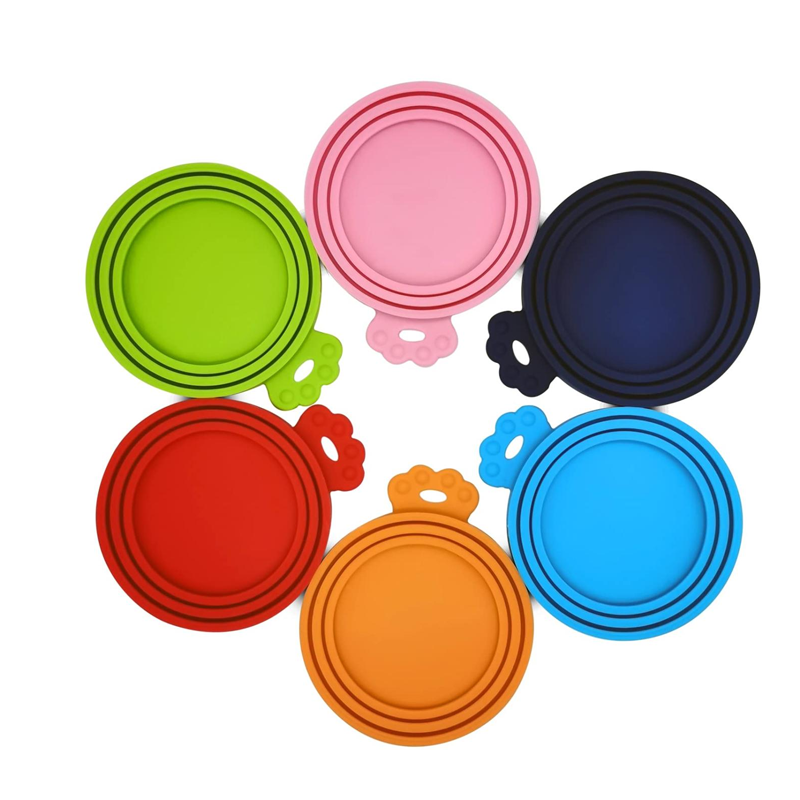
Testing & Quality Assurance You Can Trust
At our production facility we run a rigorous QC program to ensure every batch matches the promised performance:
- Durometer checks: ASTM D2240-compliant Shore A/00 testing on production samples; regular calibration of instruments.
- Tensile and tear testing: Validates that soft formulations meet minimum tear-strength thresholds.
- Chew simulation: Mechanical bite-cycle benches and puncture tests replicate realistic wear for intended use categories.
- Chemical safety: Material certification (food-grade silicone, non-toxic elastomers), colorfastness testing, and optional third-party lab analysis.
- Visual & dimensional inspection: Ensures consistent molding, no flash or weak gates, and reliable assembly (for multi-component toys).
Our one-stop service model means we manage material sourcing, molding, testing, and packaging so your brand receives high quality finished goods on spec and on time.
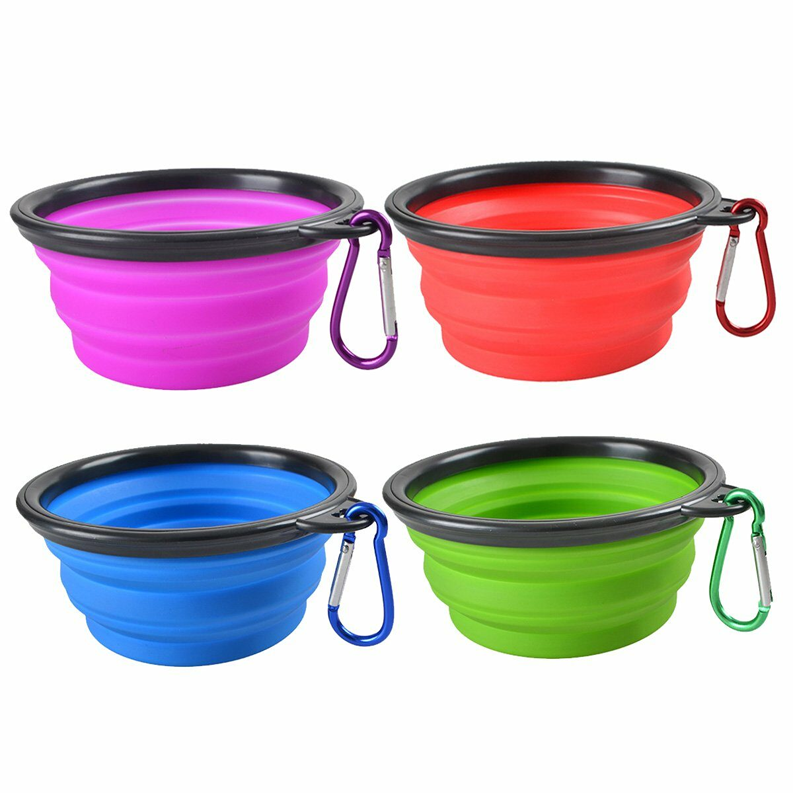
Final Recommendations and Next Steps
Choosing the right Shore hardness is fundamental to making safe, durable, and beloved pet toys. The best-performing products come from early collaboration between designers and a manufacturing partner who understands the interplay of material science, molding, and real-world pet behavior.
At Siliconebase, we offer end-to-end custom service: prototyping, LSR/injection or compression molding, testing, and volume manufacturing. Whether you need a puppy-soft teether at 20A, a multi-density treat toy at 50A, or an extreme chew at 75A, our factory has the tooling, materials expertise, and QA systems to deliver.
If you’re ready to move from concept to tested production—or you want sample parts in multiple durometers to evaluate—reach out to our technical team. We’ll help you pick the right hardness, run targeted tests, and scale your product with confidence. Let’s make a pet toy that’s safe, durable, and adored—together.