
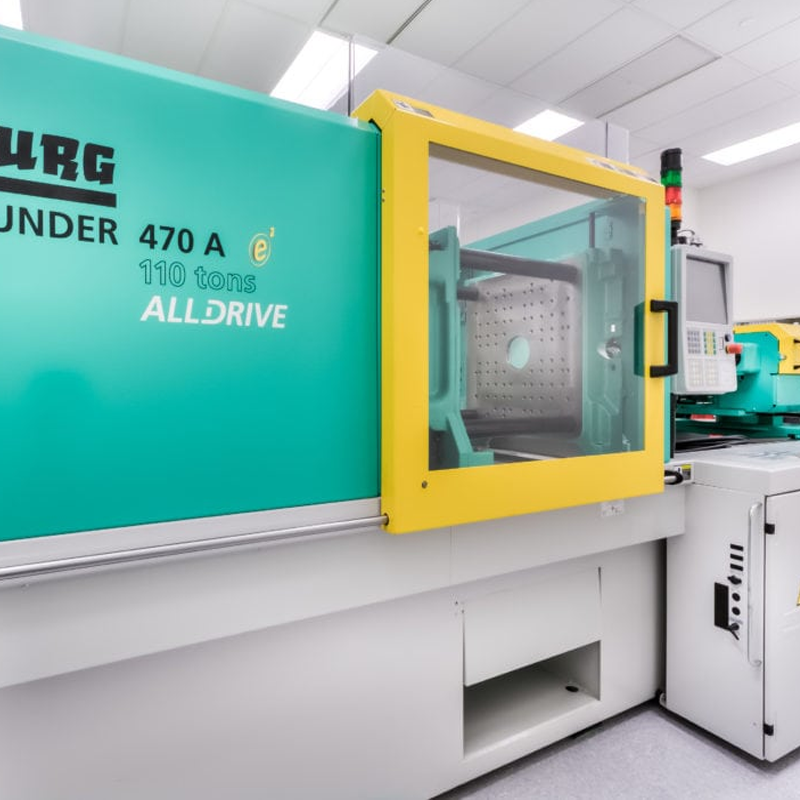
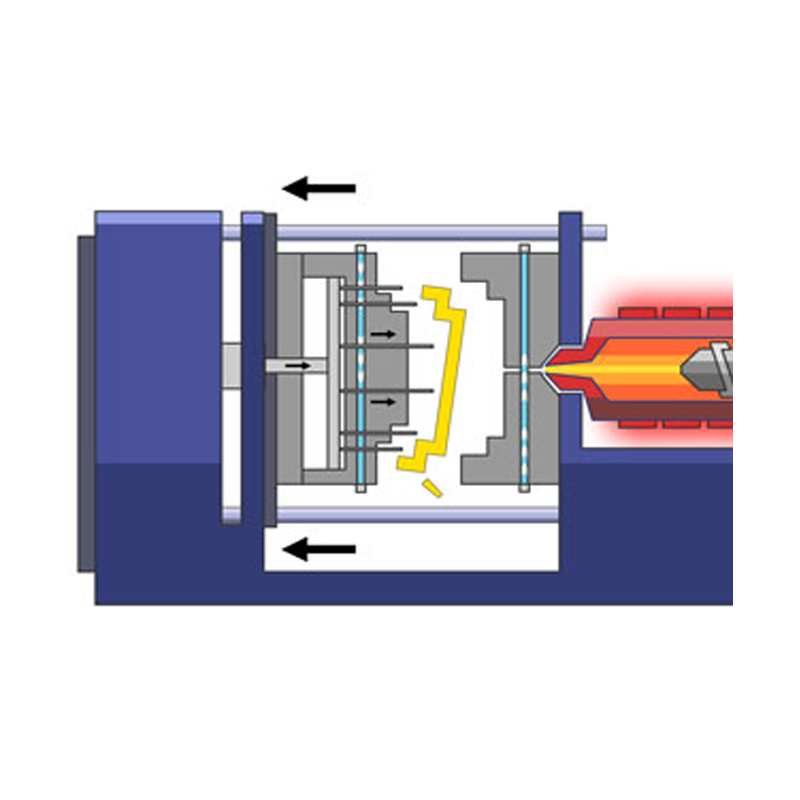
Injection molding is a critical process in modern manufacturing, enabling the production of intricate plastic components for industries ranging from medical devices to consumer electronics. The process involves injecting molten plastic resin into a precisely engineered mold, where it cools and solidifies into the final part. While this technique is renowned for its flexibility in producing complex geometries, achieving high-quality, durable parts requires careful optimization at every stage, from design to production. A poorly designed mold or an inefficient process can lead to defects, delays, and increased costs. At Siliconebase, we specialize in injection molding services, guiding our clients through the optimization process to ensure superior part quality and production efficiency.
Understanding Injection Molding
The injection molding process consists of several crucial stages that influence the final product’s quality and performance. Every step, from product design to material selection and mold fabrication, must be carefully planned and executed to achieve the desired results.
- Product Design
The first step in the injection molding process is product design. Engineers define the part’s functional requirements, aesthetics, and compatibility with other components. A well-designed part will consider not only its end use but also the practical aspects of manufacturability. At this stage, it is essential to apply Design for Manufacturability (DfM) principles, selecting materials and designs that align with the capabilities of injection molding. For instance, the gate location—where molten plastic enters the mold—should be positioned at a thick, easy-to-remove section to avoid affecting the final product’s integrity or appearance.
- Mold Design
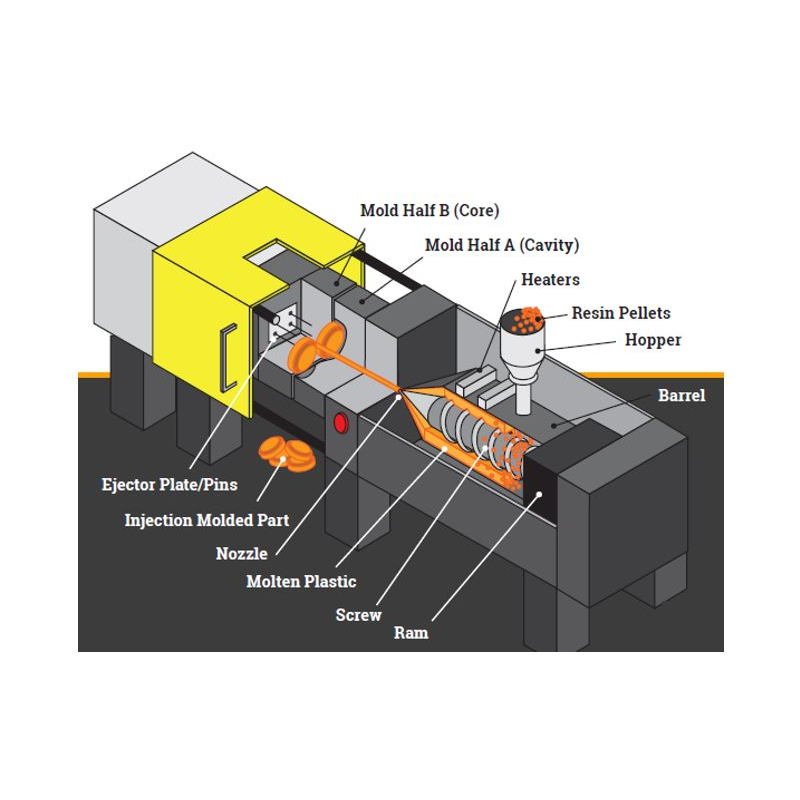
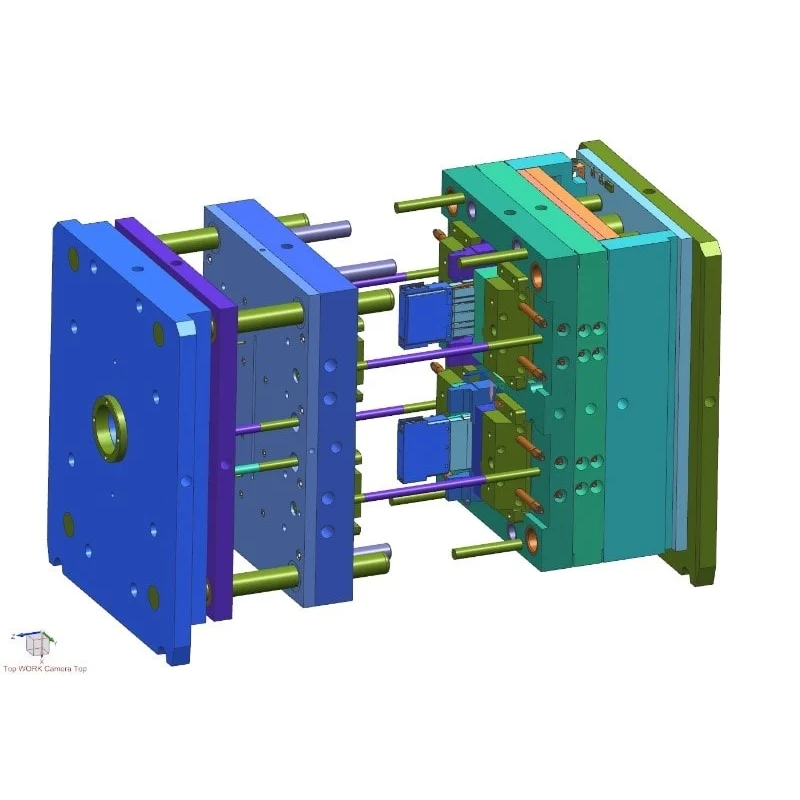
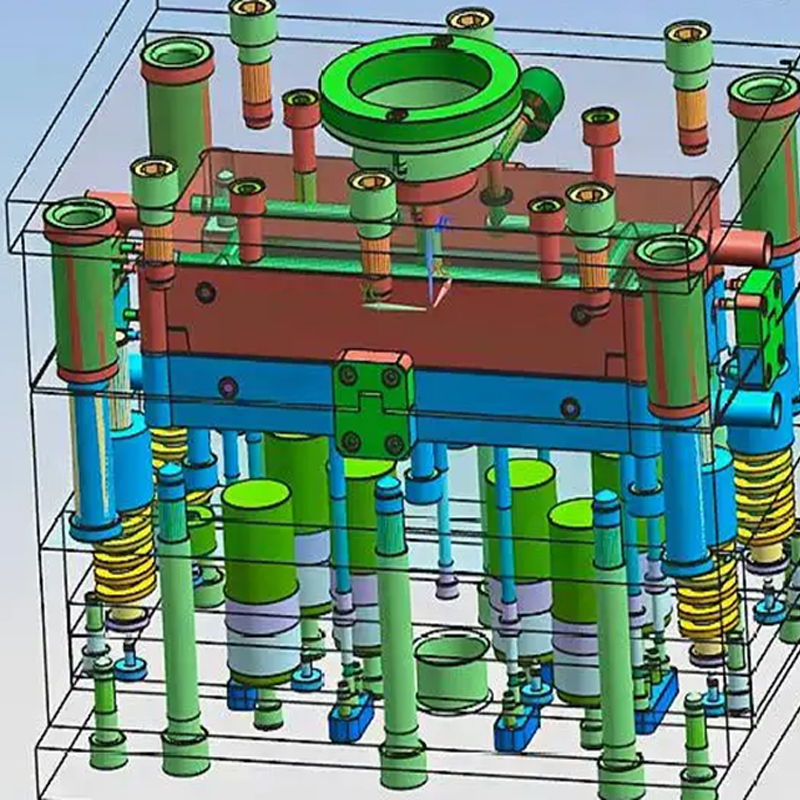
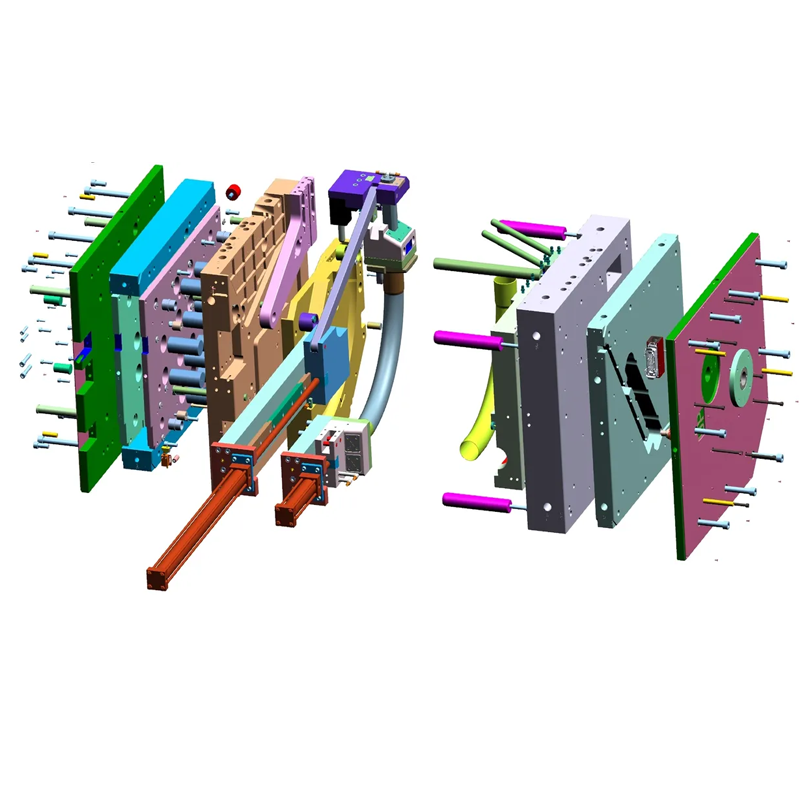
The design of the mold itself is a critical factor in achieving high-quality injection molded parts. Mold designers must select appropriate materials such as hardened steel or aluminum, depending on the expected durability and production volume. The mold must be engineered with precise gate placement and draft angles to ensure smooth filling and easy removal of the part. Parting lines—the slight seams formed where the two mold halves meet—must be positioned discreetly to avoid impacting the aesthetics of the final product.
- Manufacturing Process
Once the design is finalized, the manufacturing process begins. The selected resin must be compatible with the mold’s specifications, balancing factors like strength, heat resistance, and moldability. The cooling and shrinkage of the plastic after injection directly affect part dimensions, so careful attention to wall thickness and cycle time is essential for achieving consistent results.
How Process Optimization Affects Part Quality
While the design of the part and mold is foundational, the manufacturing process itself plays a significant role in the final product’s quality. Process optimization involves fine-tuning various parameters to achieve the best balance between speed, accuracy, and consistency. At Siliconebase, we implement advanced techniques such as scientific molding and Design of Experiments (DOE) to systematically address potential issues before scaling production. These methods help ensure that the final parts meet the highest standards for performance, durability, and precision.
Selecting the Right Material: The Key to Durability and Strength
Material selection is one of the most critical aspects of creating strong, functional molded parts. The material you choose will directly impact your part’s strength, durability, and ability to withstand specific environmental factors. Here are some common materials used in injection molding:
– ABS (Acrylonitrile Butadiene Styrene)
ABS is widely used for applications that require impact resistance, such as electronics housings or industrial parts. It is cost-effective but has limitations in terms of weathering and chemical stress cracking.
– Polycarbonate (PC)
Polycarbonate offers superior impact resistance and transparency, making it ideal for applications like face shields, safety goggles, and signage. However, it is more expensive to process and scratches easily.
– Nylon
Nylon is a versatile material known for its low friction, wear resistance, and stability in harsh environments. It is often used in automotive and industrial parts, although moisture absorption can be an issue unless properly treated.
– Acetal
Acetal is favored for its low friction and high strength in demanding applications like gears and mechanical components. It is less suitable for parts requiring cosmetic finishes or prototyping.
Each material has unique properties that can impact the design and manufacturing process. Understanding these properties and their implications is crucial for selecting the right resin for your project.
Design Tips for Stronger and More Reliable Injection Molded Parts
Optimizing the design of your parts is essential for ensuring strength, efficiency, and manufacturability. Below are some best practices for improving the design of your injection molded parts:
– Avoid Thick Sections
Thick sections in the part design can increase cooling time, leading to higher costs and the potential for defects like warping or sink marks. Ideal wall thickness typically ranges from 0.040” (1.016mm) to 0.140” (3.556mm). Sections thicker than 0.120” (3mm) require special attention during the molding process.
– Reinforce with Ribs
For parts that need added strength without significantly increasing material use, ribs are a valuable design feature. Ribs provide structural support to walls and bosses without extending the cycle time. Ensure rib thickness is 40-60% of the nominal wall thickness and follow rib sizing guidelines to prevent issues like warping.
– Smooth Transitions with Radii and Fillets
Sharp corners in a mold can lead to stress concentrations and poor flow. Incorporating radii and fillets into the design helps minimize shear stress, leading to a more robust part. These smooth transitions also ensure better flow during injection.
– Consider Draft Angles
Adding draft angles to the design facilitates easier part ejection and reduces the risk of damaging the molded part. Draft angles should be applied to all mating surfaces, especially if they will be molded together.
Steps to Optimize the Injection Molding Process
In addition to design, optimizing the injection molding process is essential for achieving consistent and high-quality parts. Some of the critical steps in process optimization include:
– Tool Functionality Examination
Every mold component must be thoroughly evaluated to ensure it is functioning correctly, considering factors such as material selection and cavity balance.
– Short Shot Testing
Testing the mold with partial fills can help identify issues like pressure loss or cavity imbalance. This testing is crucial for adjusting the fill rate and ensuring that the mold is fully filled during production.
– Quality Control and Data Analysis
Throughout the process, quality control is essential for maintaining consistent results. Data should be collected at every stage, including melt temperature, fill time, and pressure curves, to identify any defects or variations.
How Siliconebase Can Help
Achieving optimal injection molding results requires expertise, precision, and advanced technologies. At Siliconebase, we specialize in providing end-to-end injection molding solutions, helping our clients optimize their designs and manufacturing processes for superior part strength, performance, and cost-efficiency. With our in-house mold-making capabilities, advanced molding equipment, and commitment to quality, we offer tailored solutions for a wide range of industries. Whether you’re developing components for medical devices, automotive parts, or consumer goods, we have the experience and technology to ensure your project’s success.
If you’re ready to elevate your injection molding project and achieve superior results, contact Siliconebase today. Our team of experts is here to guide you through every step of the design and manufacturing process, ensuring that your parts are optimized for strength, durability, and performance. Let us help you take your project to the next level.