

When planning for custom silicone products, the cost is an essential consideration that plays a pivotal role in both your production process and final product pricing. Several factors contribute to the total cost, and understanding these elements can help you make informed decisions and optimize the manufacturing process for efficiency and cost-effectiveness.
Key Factors Affecting the Cost of Custom Silicone Products
-
Mold Complexity
One of the primary factors influencing the cost of custom silicone manufacturing is the complexity of the mold used. Silicone molds can range from simple single-cavity designs to highly intricate multi-cavity molds. The more intricate the mold design, the higher the cost of production, as it demands more precise tooling and higher initial investment. Additionally, the type of mold selected will dictate whether you’re focusing on small-scale or large-scale production. Multi-cavity molds, while more expensive initially, provide greater efficiency for high-volume production, which ultimately reduces the cost per unit.
-
Material Grade and Type
Silicone products are made from various types of silicone, each suited to specific applications. The material you choose significantly affects the overall cost of production. The most commonly used silicone materials include:
– Liquid Silicone Rubber (LSR): Known for its fluidity and suitability for intricate, high-precision designs. LSR is typically used in applications requiring superior durability, such as medical-grade products or high-performance electronics. Due to its complex processing requirements, LSR is usually more expensive.
– High Consistency Rubber (HCR): Thicker and more rigid than LSR, HCR is suitable for larger, less complex products. It is also less costly and is often used for industrial applications where precise design is not as critical.
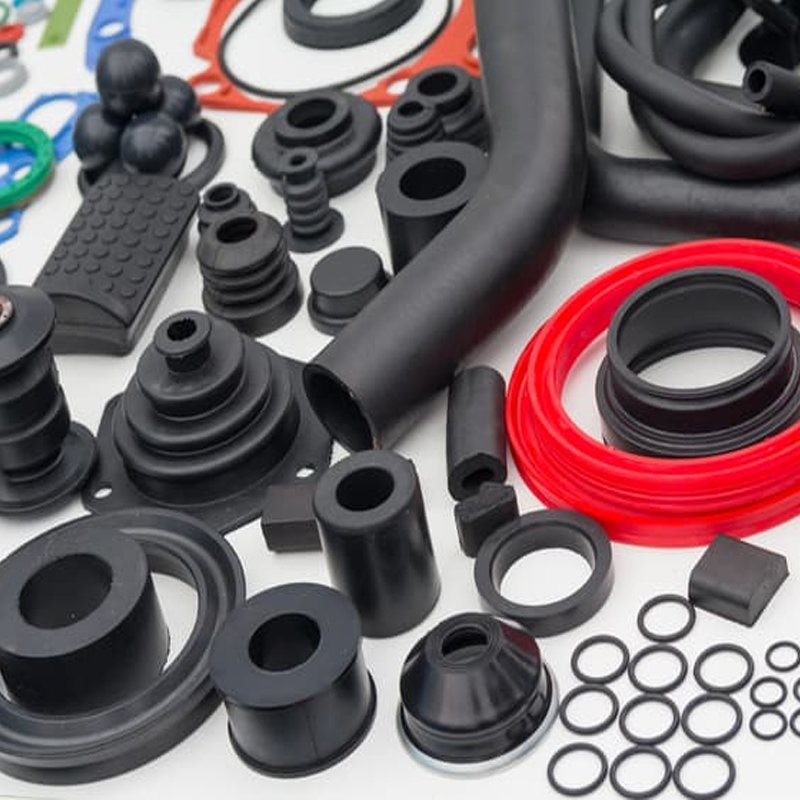
The choice between LSR and HCR materials will depend on your product’s specific needs, balancing performance and cost.
-
Production Volume and Economies of Scale
The quantity of units you need plays a significant role in determining the cost per unit. Larger production volumes benefit from economies of scale, meaning the per-unit cost decreases as production increases. This is due to the fact that the fixed costs associated with mold setup, design, and other initial preparations are spread over a greater number of units. For small orders, the per-unit price tends to be higher, but for large-scale production, costs become more manageable, making bulk orders more cost-effective.
-
Manufacturing Processes
The method used to create your silicone products can influence both the upfront investment and the final cost per unit. Here are the most common manufacturing processes for silicone products:
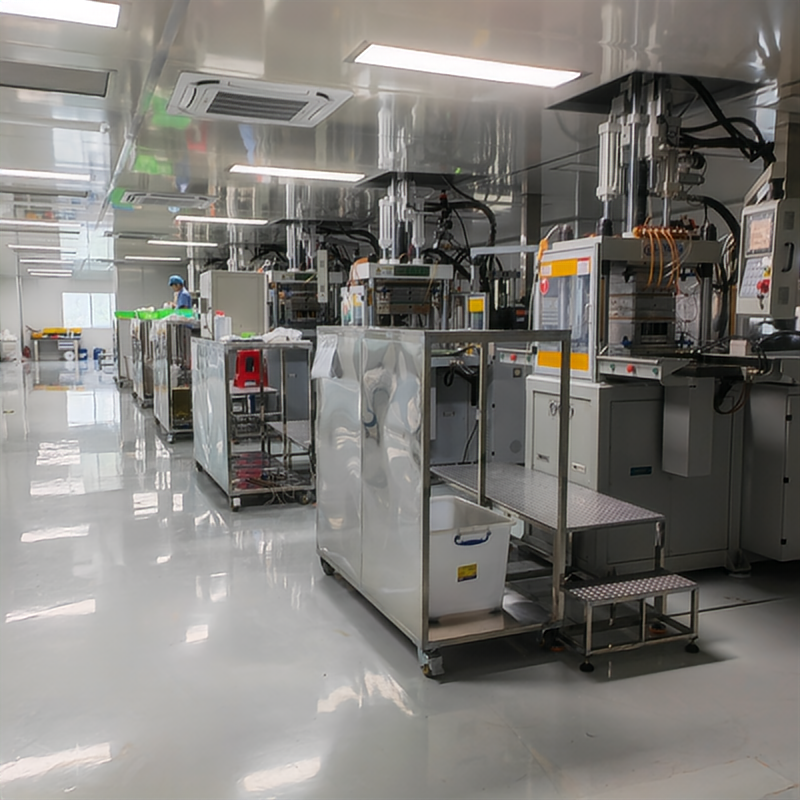
– Injection Molding: This high-volume manufacturing process uses high-pressure liquid silicone rubber (LSR) injected into molds to form the product. Injection molding is well-suited for producing complex, high-precision parts and is cost-effective for large orders.
– Compression Molding: Ideal for medium to large-scale production, compression molding involves placing pre-measured silicone into an open mold that is then pressed and heated. This process is less expensive than injection molding but may not be ideal for highly intricate designs.
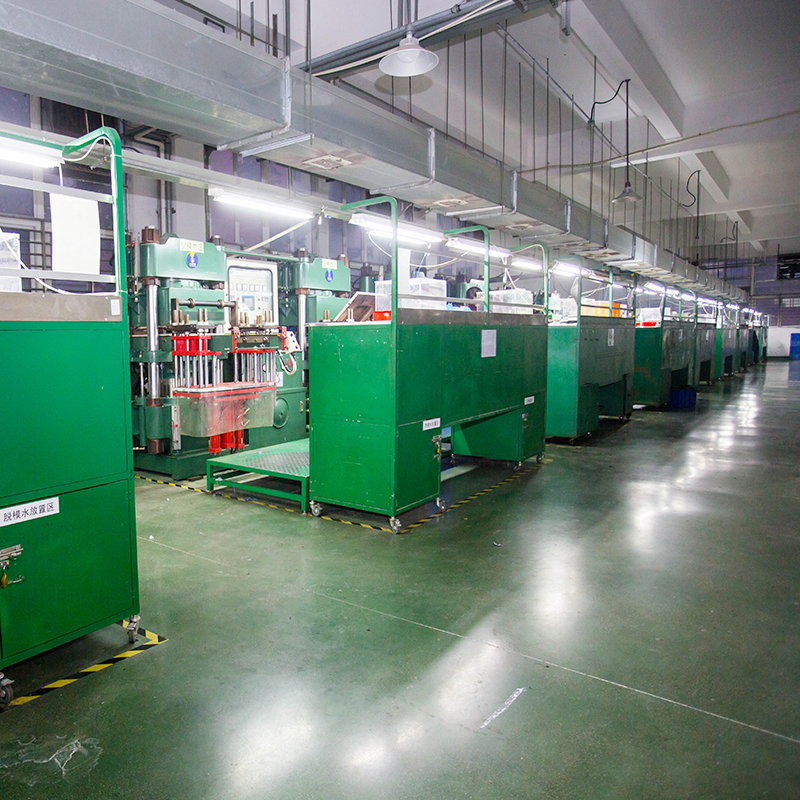
– Liquid Silicone Rubber (LSR) Molding: For medical-grade or food-grade products, LSR molding in a certified cleanroom environment ensures that high-precision products meet the strictest regulatory standards. This process often requires a higher initial investment but guarantees exceptional product quality and safety.
-
Quality and Certification Requirements
Many custom silicone products, particularly those used in medical or food industries, must adhere to stringent regulatory and certification standards. Achieving certifications like ISO 13485 (for medical devices) or FDA approval for food-grade products often requires additional testing, validation, and documentation, which increases the cost. However, these certifications ensure that your products meet international quality standards, providing both compliance and customer confidence.
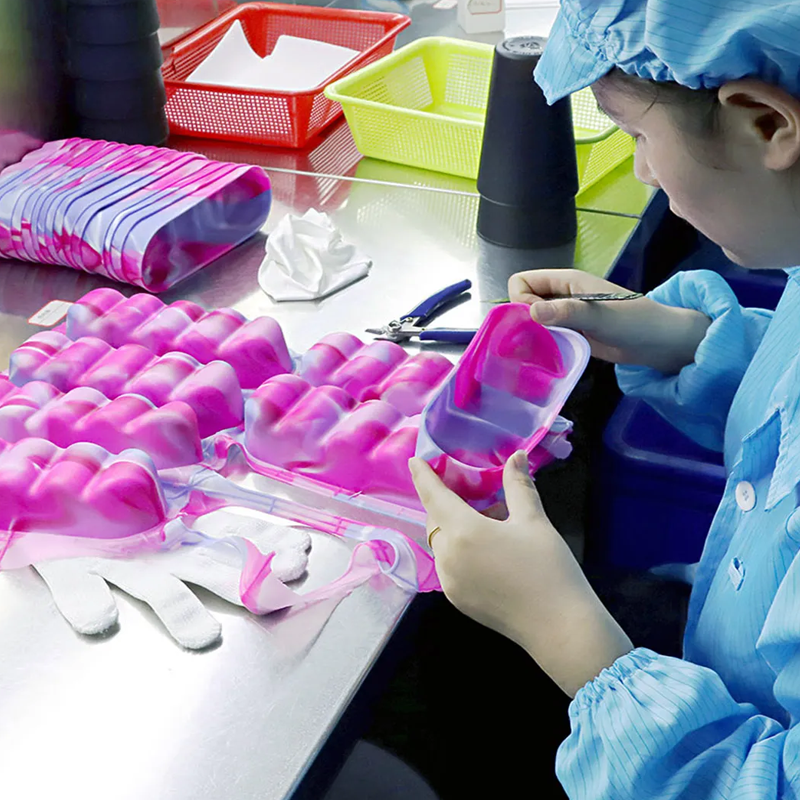
At Siliconebase, we maintain a robust certification process, ensuring our products meet the highest standards across industries. Whether you’re in need of medical-grade silicone parts or specialized industrial components, we’re committed to providing solutions that meet or exceed certification requirements.
-
Prototyping and Design Costs
The initial design and prototyping stages also add to the overall cost of manufacturing. Custom designs that require modifications or multiple iterations increase the cost of development, as manufacturers need to invest time and resources into refining the product before full-scale production begins. If your design is particularly complex, prototyping could involve additional charges for multiple design cycles.
-
Additional Costs for Quality Control and Testing
To ensure that your silicone products meet high-quality standards, manufacturers often conduct comprehensive testing and quality control procedures. This can include testing for physical properties, chemical stability, durability, and regulatory compliance. While these tests are necessary to guarantee the product’s reliability and functionality, they also contribute to the overall cost of production.
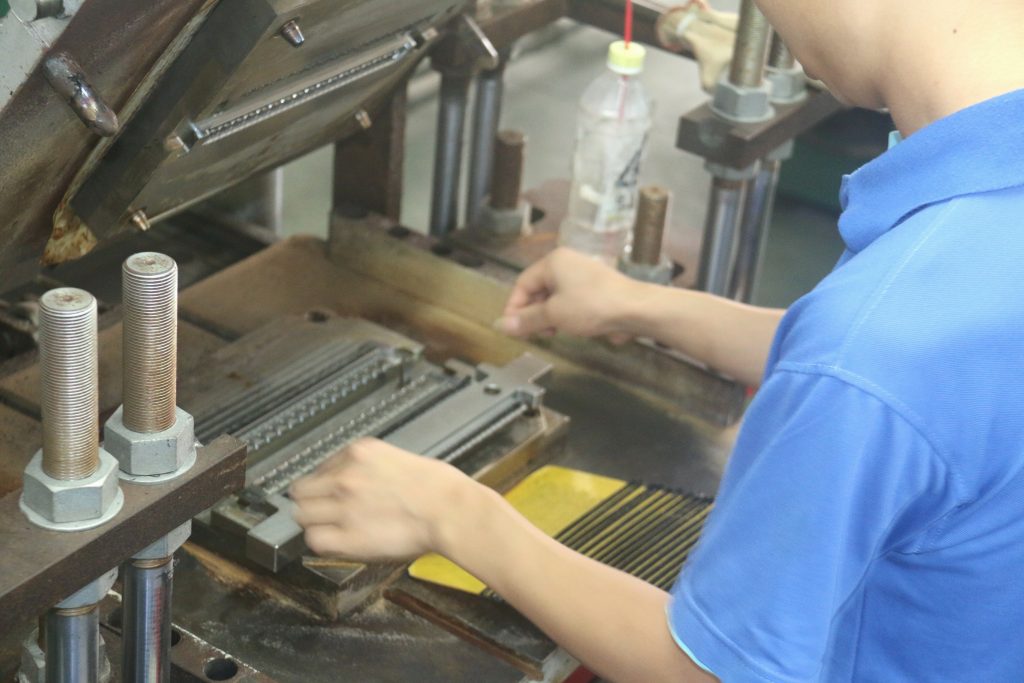
Typical Price Ranges for Custom Silicone Molds
The cost of silicone molds varies based on their design and complexity. Here’s a rough guide:
– Single-Cavity Molds: These are the simplest molds, typically costing between $500 and $5,000, depending on design intricacy and material requirements.
– Multi-Cavity Molds: These molds allow for high-volume production and are generally more expensive, ranging from $5,000 to $20,000 or more. The higher initial cost is offset by the reduced per-unit cost at higher production volumes, making them ideal for large-scale manufacturing.
Selecting the right mold type for your production needs ensures that you optimize both quality and cost, leading to a more cost-effective manufacturing process.
Extra Costs in Custom Silicone Manufacturing
Besides the core factors mentioned above, there are a few additional costs to consider:
– Prototyping and Design: Custom prototyping or modifications to designs can significantly raise costs, especially when several iterations are needed.
– Testing and Quality Control: These processes ensure that products meet regulatory requirements and customer expectations but also add to the overall expense.
Cost-Saving Tips for Custom Silicone Manufacturing
There are a few strategies that can help reduce the overall cost of custom silicone products without compromising quality:
– Simplify Mold Designs: Less complex mold designs can reduce both production and tooling costs.
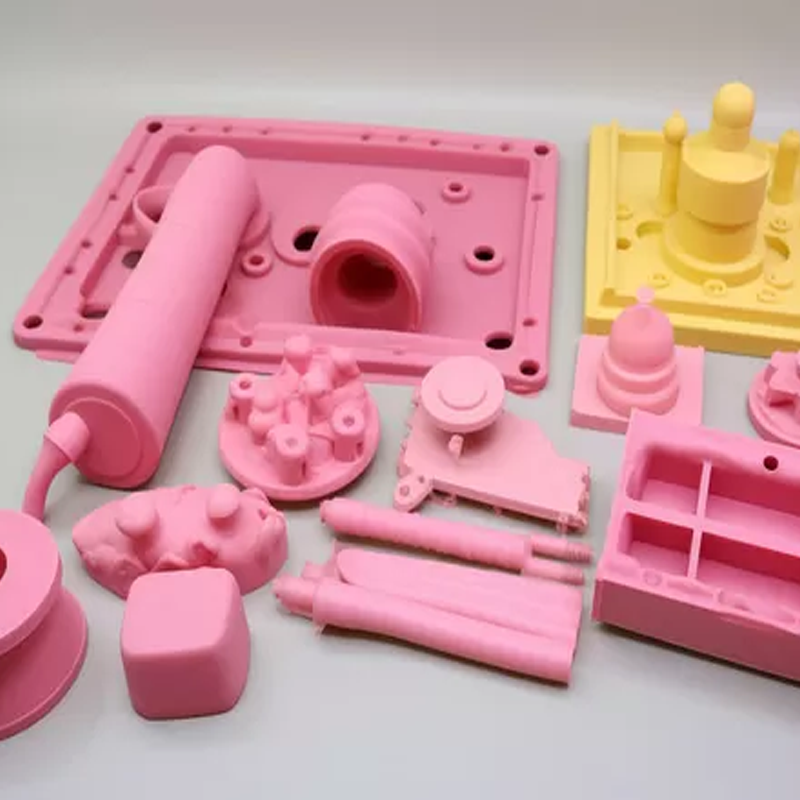
– Choose Cost-Effective Materials: Selecting the right silicone material for your product’s specific requirements can help manage costs.
– Long-Term Investment: While high-quality molds and materials may require a higher upfront cost, they often reduce the need for replacements, resulting in long-term savings.
Getting an Accurate Quote for Custom Silicone Products
To get the most accurate pricing for your custom silicone products, it’s essential to provide detailed specifications, including material type, design requirements, production volume, and certification needs. By submitting these details to a manufacturer, you can receive a tailored quote that fits your production needs and budget.
At Siliconebase, we work closely with our clients to provide transparent pricing based on your unique project requirements. We balance quality and cost to help you achieve the best possible outcome for your product.

Conclusion
The cost of custom silicone products depends on multiple factors, including mold complexity, material selection, production volume, manufacturing process, and quality control. With the right approach, however, it is possible to optimize production costs while ensuring high-quality products. At Siliconebase, we are dedicated to providing cost-effective silicone solutions without compromising on the performance, quality, or durability of our products.
If you have any questions or need a detailed quote for your custom silicone products, don’t hesitate to contact us today. We’re here to help guide you through the process and provide you with the best possible solutions for your needs.