
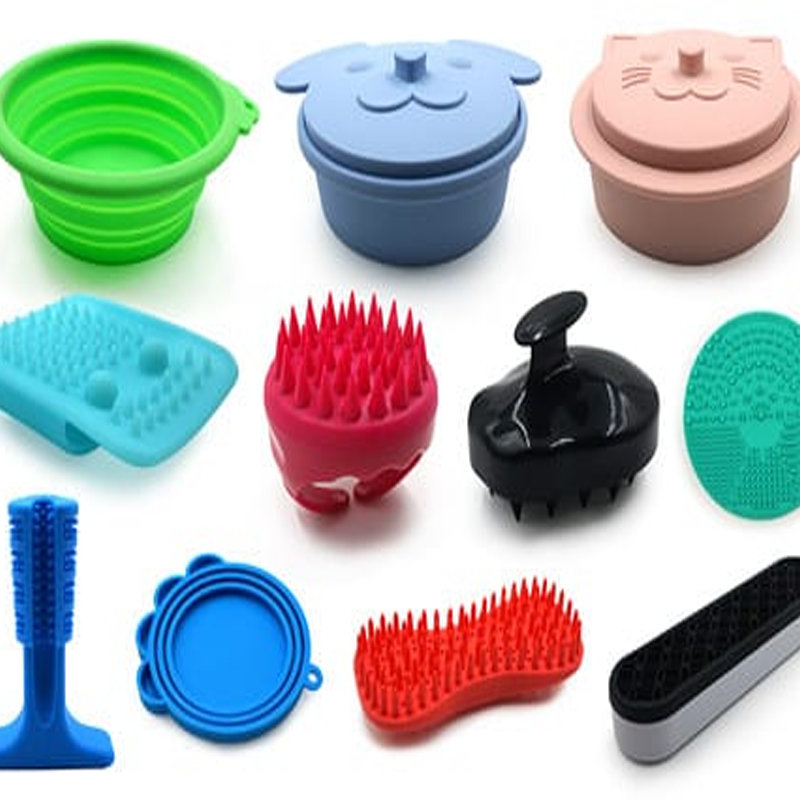
When manufacturing silicone products, choosing the most suitable production process is essential to achieving both the desired functionality and efficiency. There are several advanced methods available, each with distinct advantages, including injection molding, CNC machining, and 3D printing. In this article, we’ll break down the key characteristics of these processes, their ideal applications, and provide insight into how you can make an informed decision to meet your needs.
Understanding the Manufacturing Landscape for Silicone Products
Silicone materials are incredibly versatile and can be used across a wide range of industries, from medical devices to automotive components and consumer electronics. However, the manufacturing processes used to produce silicone products vary significantly depending on factors like part complexity, required precision, production volume, and material characteristics. Let’s explore the three primary manufacturing processes used to create silicone products: Injection Molding, CNC Machining, and 3D Printing.
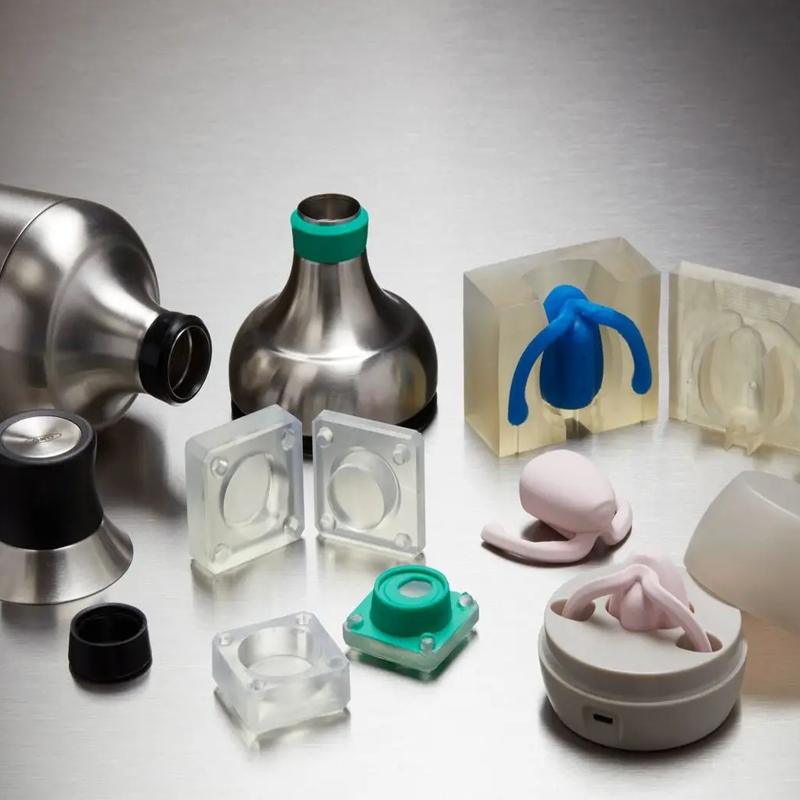
Injection Molding for Silicone Products
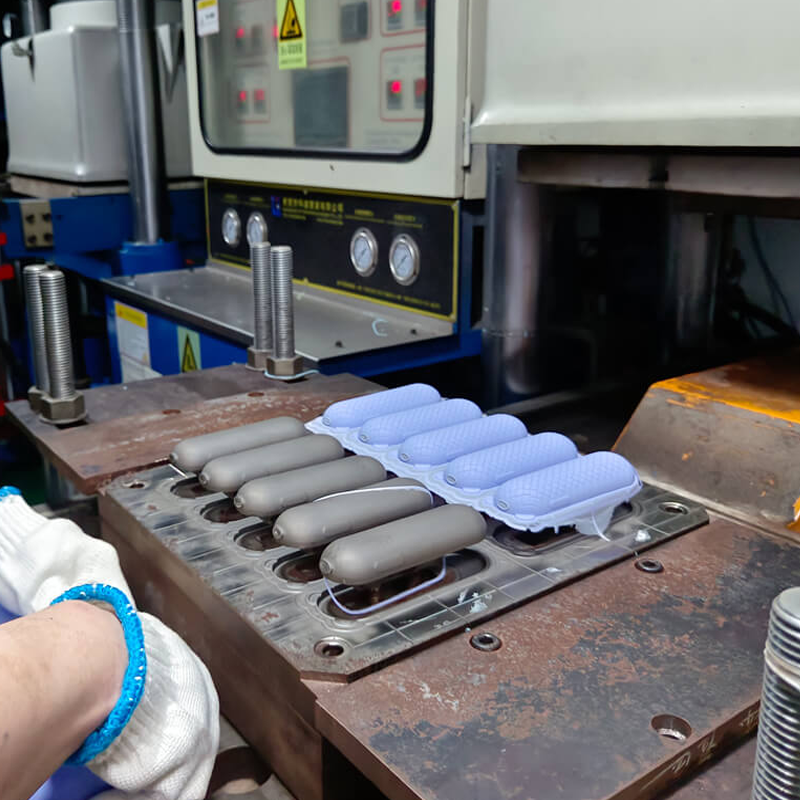
Injection molding is one of the most widely used manufacturing processes for producing high-volume, complex silicone products. In this process, liquid silicone rubber (LSR) is injected into a mold cavity at high pressure, where it cures and solidifies into the desired shape. The process is highly automated and efficient, making it ideal for large production runs of parts that need to be manufactured consistently and accurately.
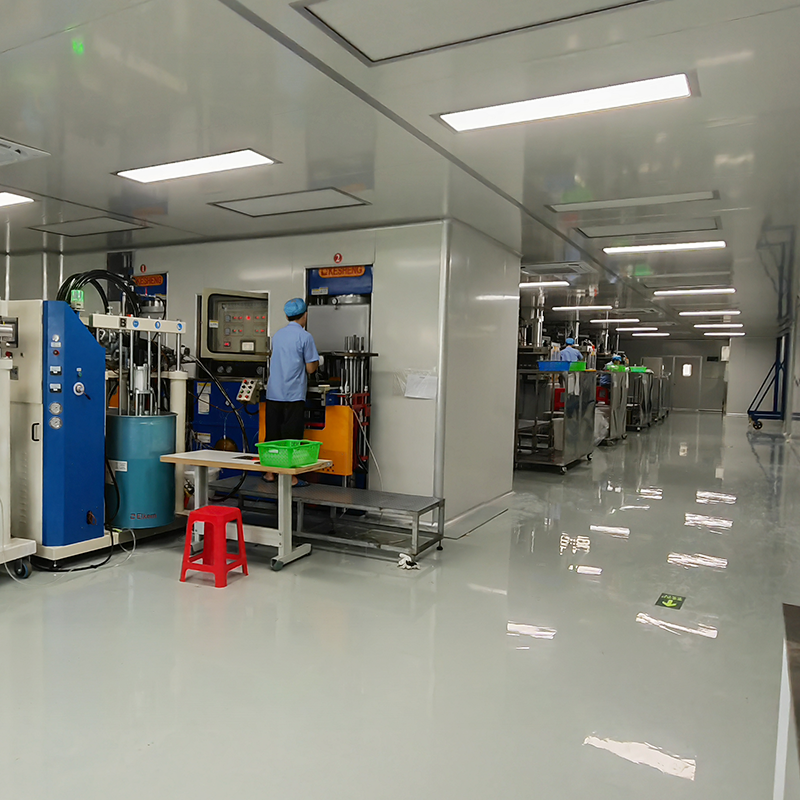
Why Choose Silicone Injection Molding?
- High-Volume Production: Injection molding is perfect for producing large quantities of silicone parts quickly and efficiently. Once the mold is created, parts can be manufactured at a rapid pace with minimal oversight.
- Consistency and Repeatability: Injection molding ensures that each part is made to exact specifications, with tight tolerances and minimal variation between individual pieces. This makes it a great choice for industries where precision is critical.
- Material Variety: Injection molding can accommodate a wide range of materials, including high-quality medical-grade silicone, food-safe silicone, and various other elastomers. This flexibility allows manufacturers to tailor the silicone compound to meet specific product requirements.
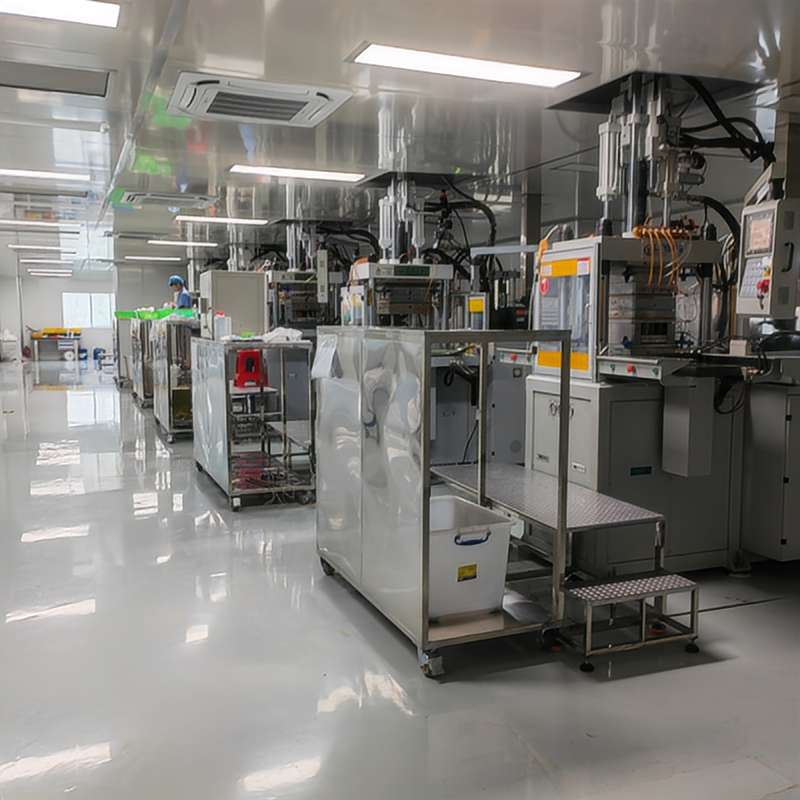
Common Applications of Silicone Injection Molding:
- Medical Devices: Silicone components used in medical devices must meet strict regulatory standards for biocompatibility and durability. Injection molding offers the ability to produce intricate medical parts, such as seals, gaskets, and custom silicone components for respiratory masks.
- Automotive Parts: Injection molding is often used to create gaskets, seals, and other silicone components that require durability in harsh conditions, such as temperature extremes or exposure to automotive fluids.
- Consumer Electronics: Silicone keypads, buttons, and seals for electronic devices are commonly produced via injection molding due to the need for high precision and durability.
CNC Machining for Silicone Products
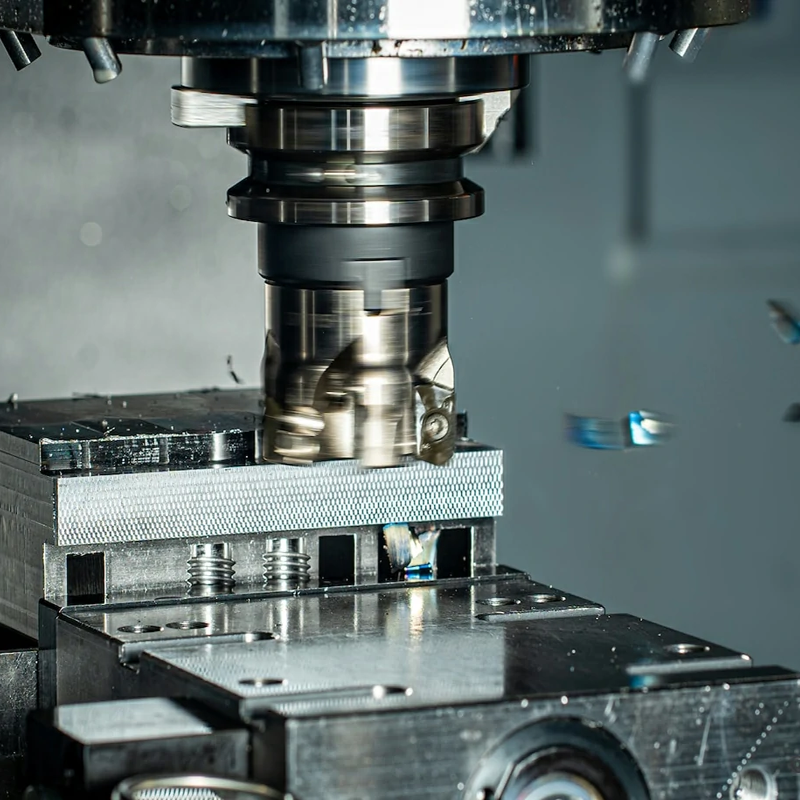
CNC machining is a subtractive manufacturing process where material is removed from a solid block to create the desired shape. This technique is commonly used for producing parts that require tight tolerances, intricate features, or high precision, especially when only a few pieces are needed.
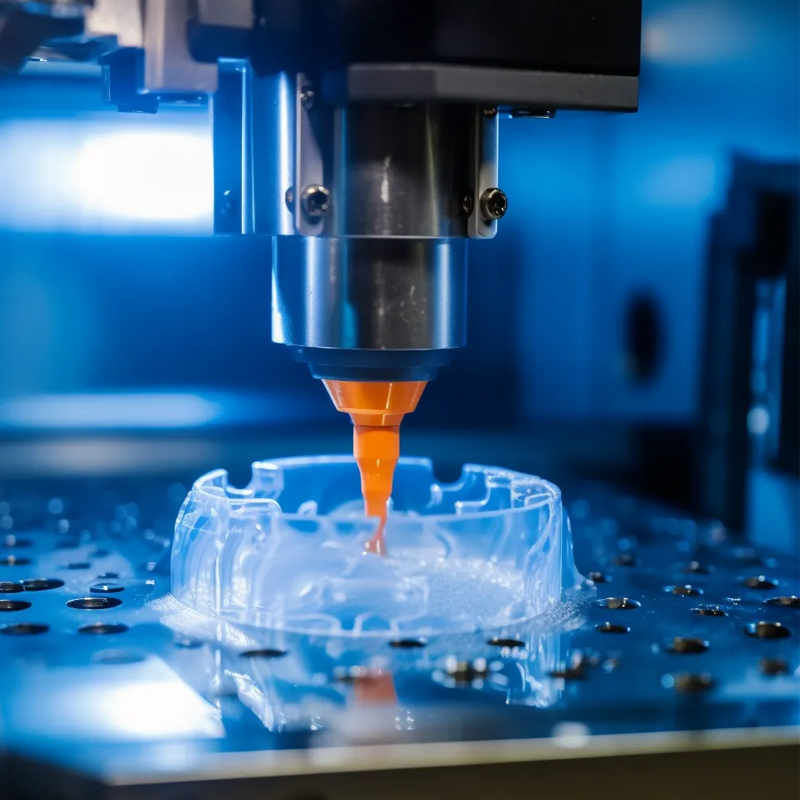
Why Choose CNC Machining for Silicone Parts?
- Precision and Accuracy: CNC machining can produce silicone parts with extremely tight tolerances, often within microns. This level of precision is essential in industries where even small deviations from the design can compromise product performance.
- Complex Geometries: CNC machines are highly versatile and can produce parts with intricate features that may be difficult or impossible to achieve through injection molding. This makes CNC machining ideal for custom parts with complex geometries.
- Low to Medium Production Volumes: CNC machining is best suited for low to medium production runs. The process can be expensive for high-volume production, but it offers unparalleled precision for smaller batches.
- Common Applications of CNC Machining for Silicone Products:
- Medical Equipment: Silicone products used in medical devices often require high precision, especially for parts such as surgical instruments, medical seals, and housings for medical devices.
- Electronics: CNC machining is ideal for creating custom components like silicone gaskets, seals, and housing parts for electronic devices where tight tolerances are critical.
- Prototyping: For new product development, CNC machining offers a fast, cost-effective way to produce prototypes that can be tested for form, fit, and function before full-scale production.
3D Printing for Silicone Products
3D printing (also known as additive manufacturing) is an innovative manufacturing process that builds parts layer by layer from digital models. Unlike injection molding and CNC machining, 3D printing does not require molds or cutting tools, making it a more flexible and sustainable option for producing complex, customized silicone parts.
Why Choose 3D Printing for Silicone Products?
- Rapid Prototyping: 3D printing is ideal for creating prototypes quickly. This allows for faster iteration, testing, and refinement of designs before moving to full-scale production. The ability to make changes to the design and produce new prototypes within hours or days can dramatically reduce time-to-market.
- Design Flexibility: The design freedom offered by 3D printing is unmatched. Complex geometries, internal features, and lightweight structures can be created with ease, allowing for greater customization of silicone parts.
- Cost-Effective for Small Runs: 3D printing is particularly cost-effective for producing small quantities of silicone parts, which makes it ideal for limited-edition runs, custom products, or specialized applications.
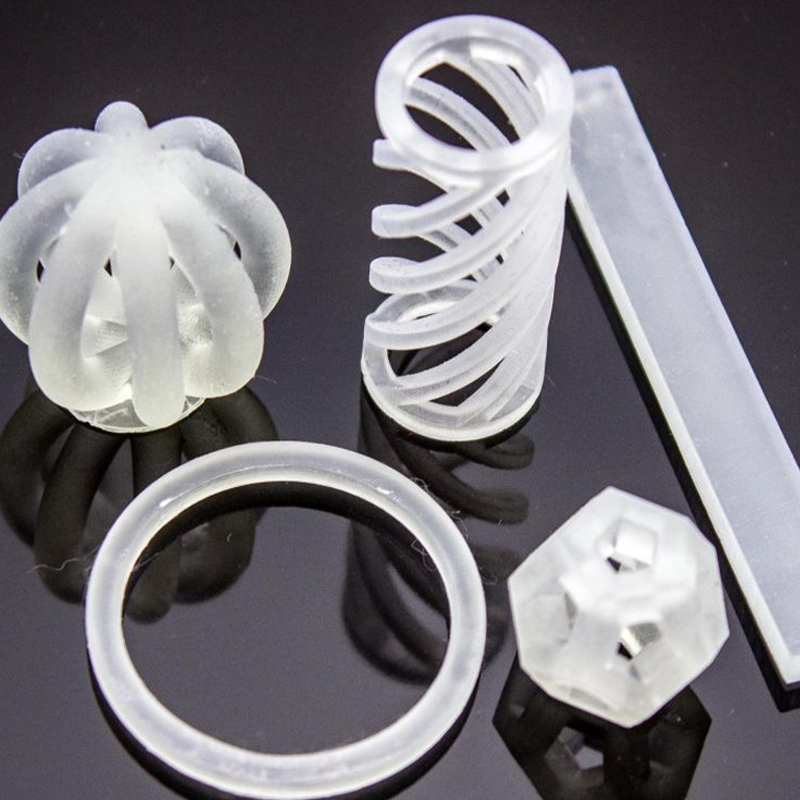
Common Applications of 3D Printing for Silicone Products:
- Custom Medical Devices: 3D printing is increasingly used for creating customized silicone medical devices, including prosthetics, implants, and other specialized components that require personalization.
- Prototyping and Design Testing: 3D printing is ideal for creating functional prototypes of silicone parts. This helps designers validate the functionality and fit of a product before committing to larger production runs.
- Custom Consumer Products: 3D printing is perfect for producing small batches of custom silicone products, such as personalized gadgets, wearables, or parts for specific applications in industries like automotive or electronics.
Comparing the Three Manufacturing Processes for Silicone Products
Each of these manufacturing processes has distinct advantages depending on your production needs. Here’s a quick comparison:
| Manufacturing Process | Best For | Benefits | Limitations |
| Injection Molding | High-volume production, complex geometries | Fast, efficient, cost-effective at scale, excellent consistency | Long setup times, high initial costs |
| CNC Machining | High precision, custom parts, low to medium volumes | Exceptional accuracy, versatile, ideal for prototypes | Higher cost for mass production, material waste |
| 3D Printing | Prototyping, customization, small batches | Rapid iteration, design flexibility, minimal waste | Limited material choices, slower than injection molding for large runs |
Making the Right Choice for Your Silicone Product Manufacturing Needs
When selecting the ideal manufacturing process for your silicone products, it’s essential to consider factors such as volume, precision, material, and design complexity. Injection molding is ideal for high-volume, consistent production, while CNC machining offers the precision needed for custom, complex parts in smaller quantities. 3D printing is perfect for rapid prototyping, design flexibility, and small, custom orders.
At Siliconebase, we specialize in providing top-tier silicone products through OEM and one-stop services. Whether you need high-volume production with silicone injection molding, precision parts via CNC machining, or customized prototypes using 3D printing, we have the expertise to support your needs. Our team of engineers and manufacturers is dedicated to ensuring that your silicone products meet the highest standards of quality and functionality.
Get in touch with us today to discuss how we can help you choose the right manufacturing process for your silicone products. Whether you’re prototyping, scaling up production, or customizing parts for specific applications, we’re here to provide solutions that ensure success at every stage of your product’s lifecycle.