
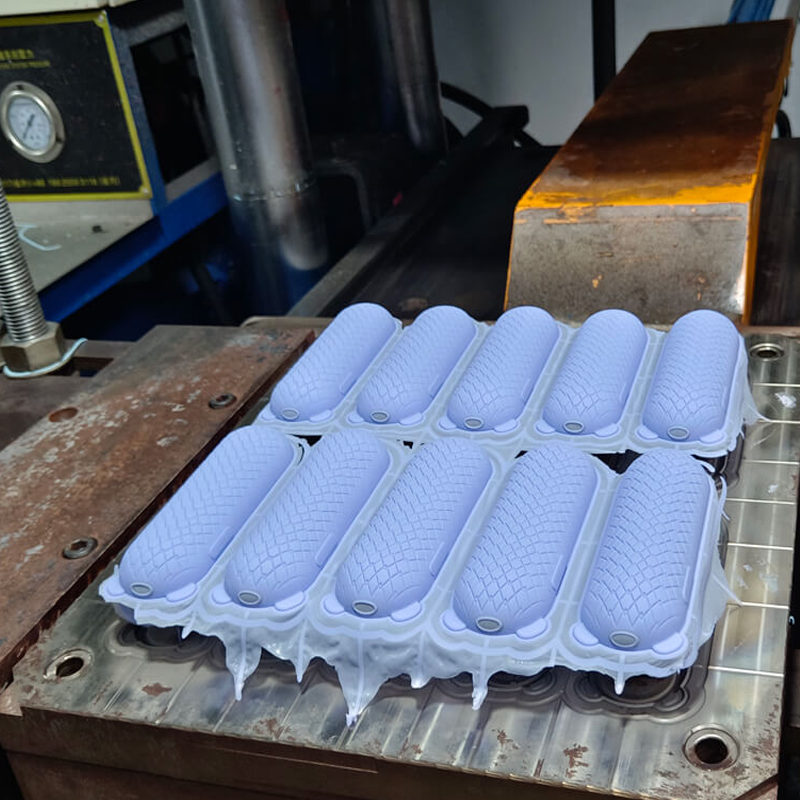
In recent years, the application of liquid silicone rubber (LSR) has grown significantly due to its versatility, particularly in industries such as automotive, construction, electronics, and healthcare. Liquid silicone rubber has become a go-to material for high-performance applications due to its non-toxic, heat-resistant, and flexible properties. This thermosetting material is known for its excellent elasticity, low viscosity, and rapid curing characteristics, making it ideal for precision parts requiring consistent quality and durability.
This article provides an in-depth look at the liquid silicone rubber injection molding process, exploring essential material properties, key stages of production, and the unique equipment required to achieve premium quality in silicone products.
Why Liquid Silicone for Molding?
Liquid silicone rubber stands out due to its unique physical and chemical properties, making it an ideal material for molding. LSR is a highly resilient material capable of withstanding extreme temperatures, making it suitable for both high-temperature applications and products that must maintain performance across varying environmental conditions. In addition, LSR provides:
– Heat resistance (operating temperatures as high as 200 °C)
– Chemical resistance, offering durability in applications exposed to oils, solvents, and other chemicals
– High transparency and purity, beneficial for medical-grade and consumer applications
– Excellent insulation properties, making it valuable in electronics and telecom industries
These attributes, combined with its low viscosity, make LSR an ideal choice for manufacturing applications where high precision, flexibility, and resilience are critical.
Overview of Liquid Silicone Molding Processes
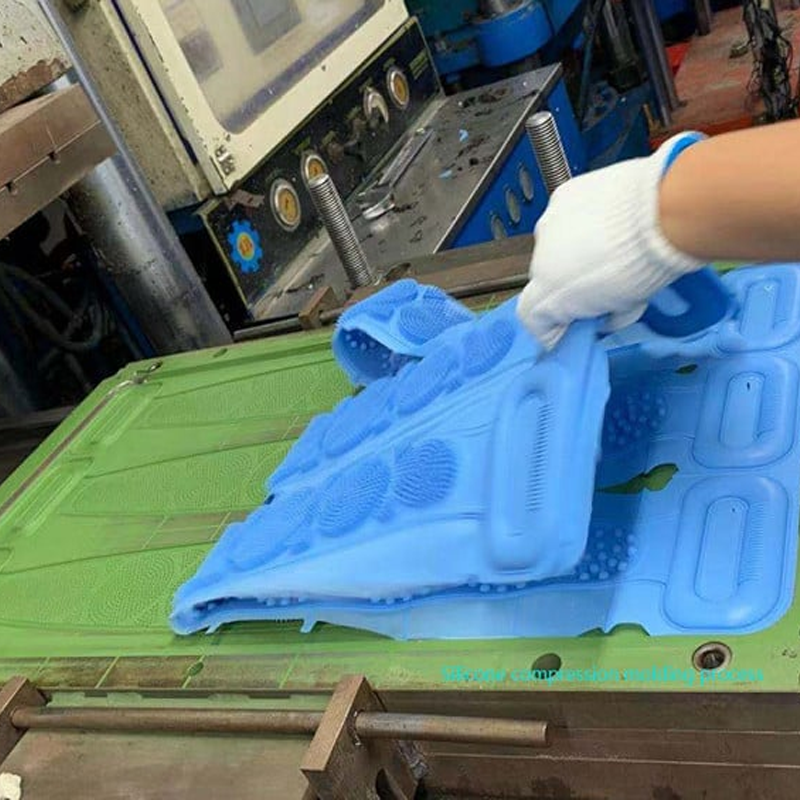
Among various molding methods, Liquid Injection Molding (LIM) is the primary technology employed to mold LSR. The LIM process involves mixing two-component silicone materials, usually denoted as parts A and B, which are then injected into a heated mold to undergo rapid vulcanization. Once cured, the silicone solidifies, forming a durable, flexible product with a high degree of elasticity.
In a typical LIM setup, the A and B components are precisely metered and pumped through a mixing system. After thoroughly blending, this mixture is injected into the mold cavity. Upon entering the heated mold, the silicone mixture undergoes rapid curing, achieving full hardness and flexibility within seconds.
Key Factors in Liquid Silicone Injection Molding
Several factors impact the quality and performance of silicone products produced via liquid injection molding:
-
Material Curing and Catalyst Use:
– Liquid silicone requires vulcanization, facilitated by a catalyst, to transform from liquid to solid. When the temperature in the mold reaches approximately 200 °C, the LSR cures in mere seconds for a 1-mm thickness. Lower temperatures can slow the process, making precise temperature control vital.
– Inhibitors are often used to delay the curing process until the material reaches optimal temperatures, ensuring consistent quality and performance during molding.
-
Injection Pressure and Viscosity:
– LSR’s low viscosity provides excellent fluidity, which requires significantly less injection pressure than other materials. Typical injection pressures for LSR molding range between 5 and 20 MPa, minimizing material waste, reducing equipment wear, and ensuring the production of flash-free parts.
– Due to LSR’s exceptional flow properties, this method is ideal for producing intricate shapes and large, thin-walled items, which are challenging to achieve with traditional solid rubber.
-
Shrinkage and Thermal Expansion:
– Although LSR exhibits negligible shrinkage within the mold, it tends to contract by around 2-3% after demolding and cooling due to its high thermal expansion coefficient. This factor is crucial when designing molds to account for dimensional accuracy.
Essential Equipment and Accessories for LSR Injection Molding
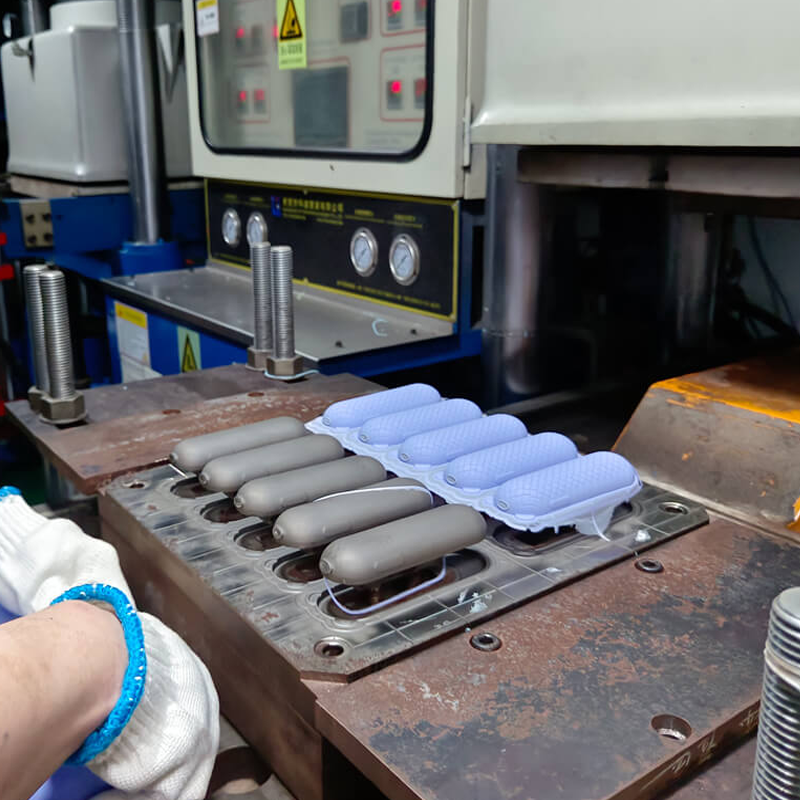
For efficient and precise LSR molding, specialized equipment and accessories are necessary:
-
Injection Screws and Needle Valve Nozzles:
– Due to LSR’s low viscosity, it’s critical to prevent material backflow and leakage, which is managed by employing sealed screws and needle valve nozzles.
– Needle valve nozzles also prevent premature curing within the nozzle, maintaining continuous flow and enhancing product consistency.
-
Metering and Mixing Systems:
– Accurate metering systems ensure a precise ratio of A and B components, which is essential for consistent material performance and curing. This precision is key to achieving uniform results in high-volume production.
Designing Molds for Liquid Silicone Injection Molding
The choice of mold design plays a crucial role in production efficiency and product quality. Common mold designs include:
-
Hot Runner Molds:
– Although relatively simple and cost-effective, hot runner molds are best suited for larger products. They tend to produce more material waste but offer a straightforward solution for basic shapes.
-
Cold Runner Molds with Needle Valves:
– Cold runner molds can accommodate automated production and shorter cycles, making them ideal for high-efficiency manufacturing. These molds typically require a higher initial investment but result in lower material waste and support complex product designs.
-
Cold Runner Molds without Needle Valves:
– For applications where ultra-precision is less critical, cold runner molds without needle valves can be used. However, due to LSR’s high thermal expansion, parts may undergo slight distortion during heating and cooling, impacting final dimensions.
Best Practices for Cold Runner Systems
For maximum efficiency and precision in LSR injection molding, it is advisable to:
– Use a closed-loop cold runner system to control the material precisely.
– Maintain low temperatures within the runner system to prevent premature curing.
– Incorporate sealable needles or valves to control material flow accurately.
The Advantages of Liquid Silicone Injection Molding
Compared to traditional solid silicone molding methods, liquid silicone injection molding offers multiple advantages:
– Reduced Labor and Resource Use: LIM eliminates the need for plasticating, mixing, and preforming processes, thus saving manpower and minimizing equipment and material costs.
– Consistent Quality and Dimensional Precision: By using automated, fully enclosed systems, LIM reduces the impact of external factors, resulting in consistent product dimensions and internal quality.
– Lower Injection Pressures: The lower pressure requirements help produce flash-free parts, minimize waste, and reduce wear on molds and equipment.
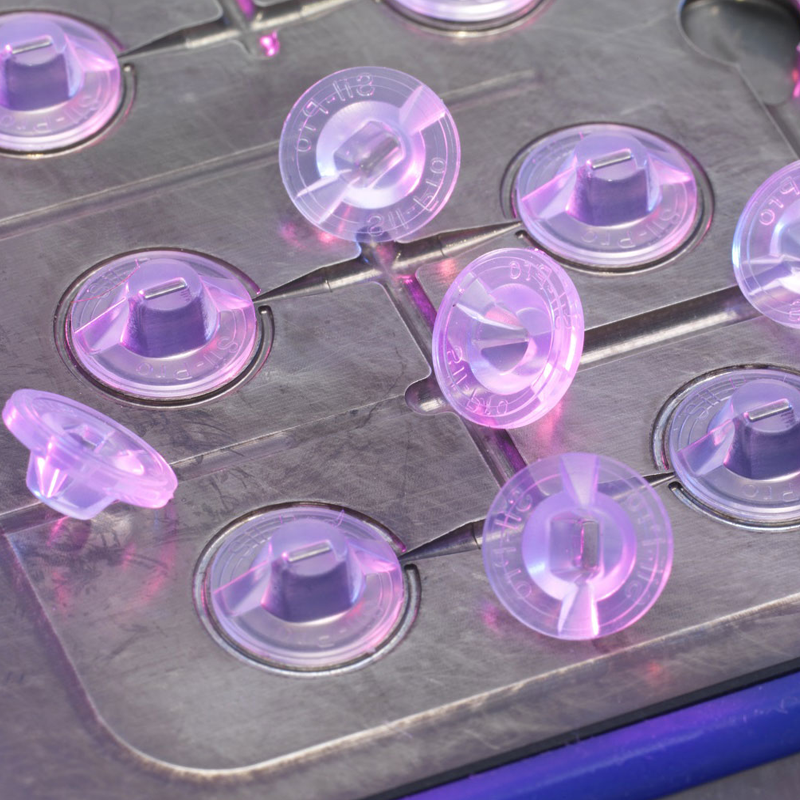
– Ideal for Complex Shapes and Thin Profiles: LSR’s low viscosity allows it to flow into intricate shapes and produce ultra-thin profiles (as thin as 0.5 mm), which would be challenging to achieve with other materials.
Silicone Injection Molding Machines and Accessories
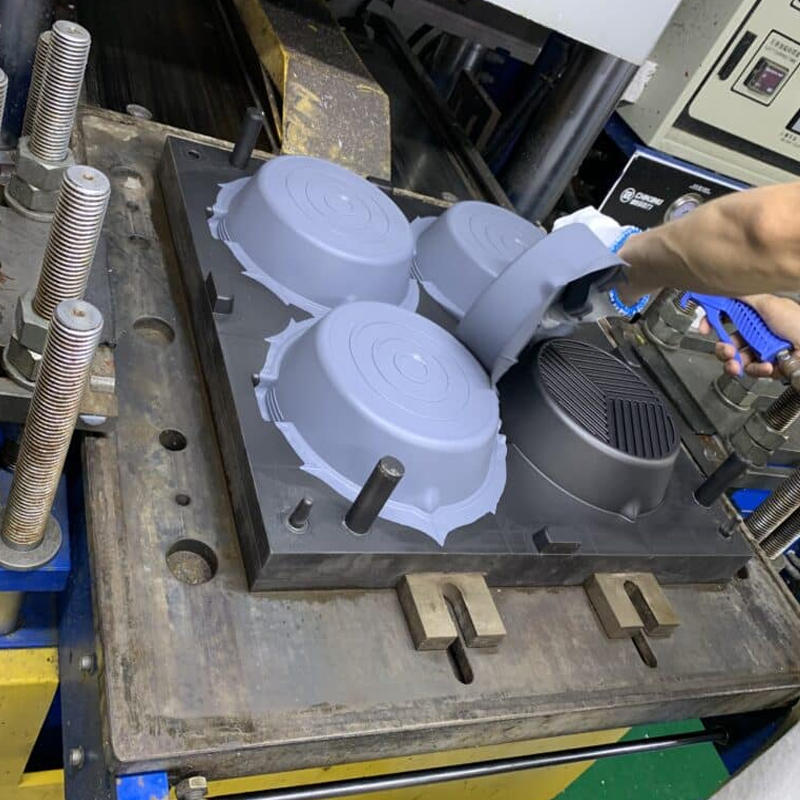
Specialized injection molding machines for silicone products are designed to handle LSR’s unique properties. Key machine components include:
– Needle Valve Nozzles: These prevent premature curing and ensure consistent material flow.
– Advanced Mixing Systems: These systems accurately combine A and B components in a 1:1 ratio.
– Vacuum Chambers: Vacuum chambers within molding machines remove any air bubbles in the mixture, ensuring a smooth, defect-free surface.
Conclusion
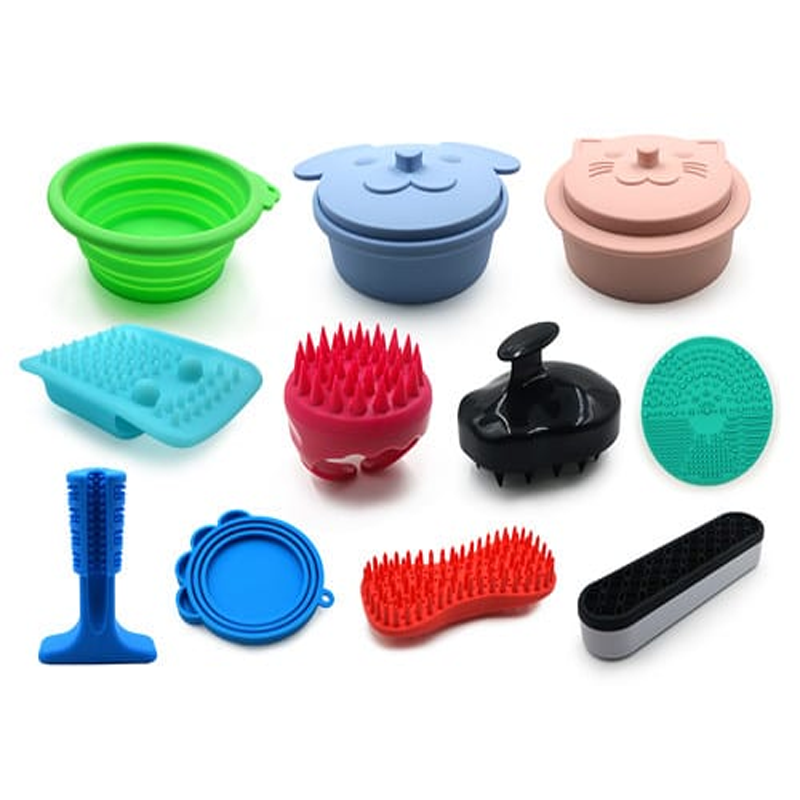
The liquid silicone injection molding process is a highly effective method for producing high-quality silicone parts, offering precision, consistency, and flexibility. From automotive and medical to consumer electronics, the use of LSR continues to expand, driven by its durability and adaptability.
If you’re interested in custom molded silicone parts or want to learn more about how liquid silicone molding can enhance your products, contact us today. Our team is ready to assist you in creating reliable, high-performance silicone solutions tailored to your specific needs.