
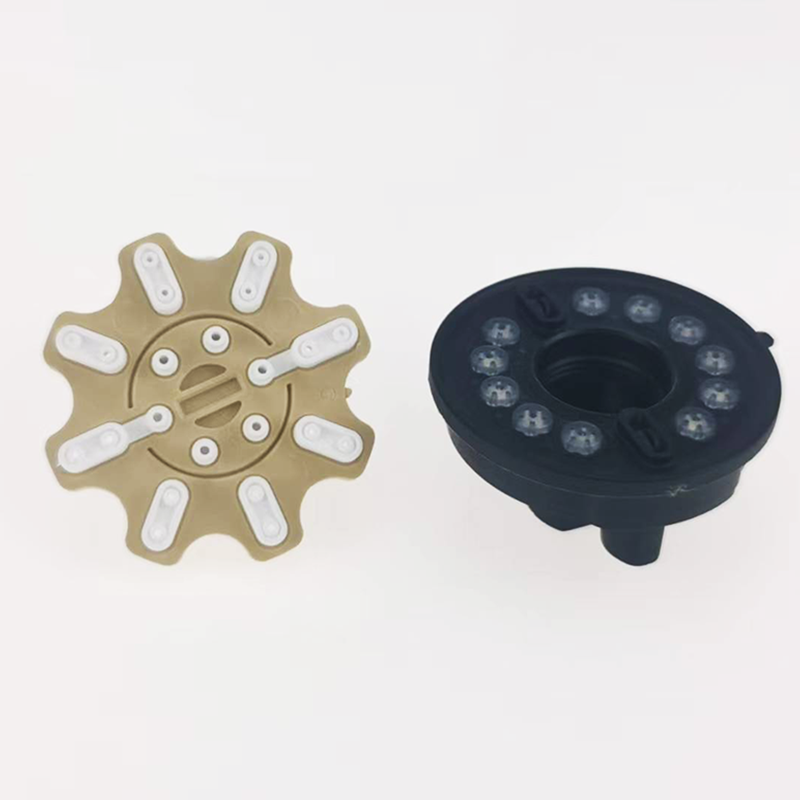
In the dynamic landscape of modern manufacturing, overmolding has emerged as a crucial technique, significantly enhancing the functionality, durability, and design flexibility of products across various sectors. One notable application of overmolding is in the production of silicone shower nozzles. This sophisticated method enables manufacturers to create robust components capable of enduring the rigors of constant water exposure, temperature fluctuations, and pressure while ensuring user comfort and reliability.
This article delves into the overmolding process, its specific applications in silicone shower nozzle manufacturing, and the myriad benefits it offers to both manufacturers and end-users.
What Is Overmolding
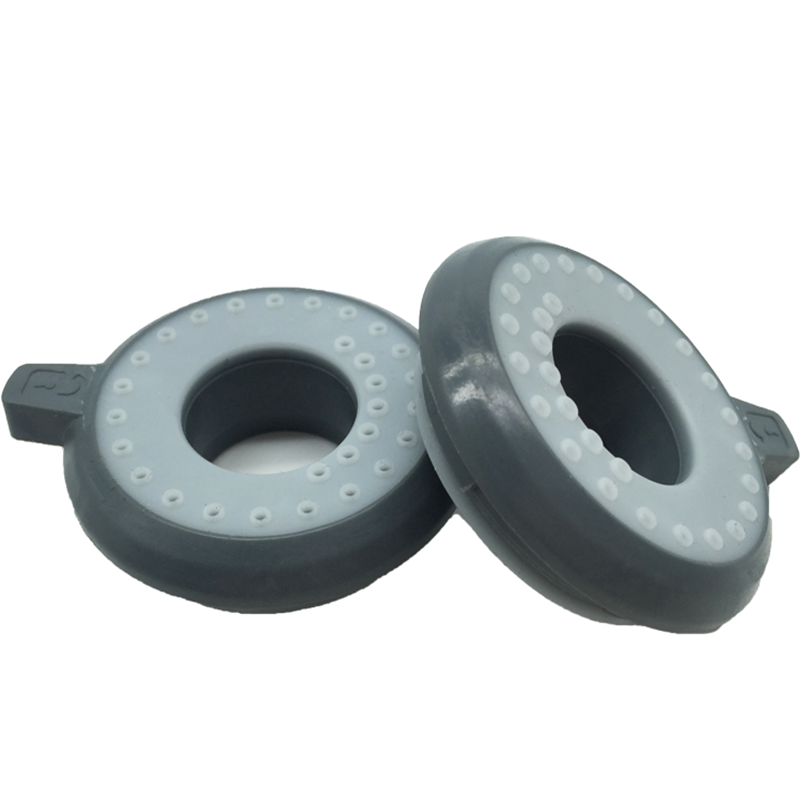
Overmolding is a specialized manufacturing process that involves combining two distinct materials to form a single, cohesive product. Typically, this technique entails molding a softer, more flexible material—such as silicone—over a rigid substrate made from materials like plastic or metal. This integration results in a composite product that leverages the unique properties of each material, thereby enhancing functionality, durability, and user comfort.
In the context of silicone shower nozzles, overmolding allows manufacturers to fuse silicone with a sturdy base, creating nozzles that are highly resistant to water damage, wear, and thermal stress. The end result is a durable and functional product designed for optimal performance in wet environments.
The Overmolding Process for Silicone Shower Nozzles
The production of silicone shower nozzles through overmolding involves a multi-step process that requires meticulous attention to detail at every stage. Here is a comprehensive overview of the key steps in this process:
-
Substrate Design
The initial step involves designing the rigid substrate, which serves as the foundational structure of the shower nozzle. This substrate is typically crafted from high-strength plastics or metals, chosen for their durability and ability to withstand pressure and temperature changes. The design phase is crucial, as it dictates the geometry and structural integrity of the final product, including the bonding surfaces that will interface with the silicone layer. A well-thought-out design ensures the nozzle can endure prolonged exposure to water and thermal variations without compromising performance.
-
Injection Molding of the Substrate
Once the substrate design is complete, the rigid base is manufactured using advanced injection molding technology. In this step, the chosen base material is heated until it reaches a molten state, which is then injected into a precision-engineered mold that matches the desired dimensions of the nozzle. After cooling, the material solidifies, forming a durable and dimensionally accurate substrate.
The injection molding process is essential for achieving uniformity and precision in the substrate, particularly in high-volume production settings. Consistency in substrate dimensions is critical for ensuring a high-quality overmolding outcome.
-
Mold Preparation for Overmolding
With the substrate ready, it is positioned within a specialized mold tailored for the overmolding phase. This mold is designed to precisely align the rigid substrate while allowing the silicone to be injected over specified areas. The mold configuration ensures that the silicone is applied uniformly, particularly at crucial functional points such as water outlets and sealing surfaces.
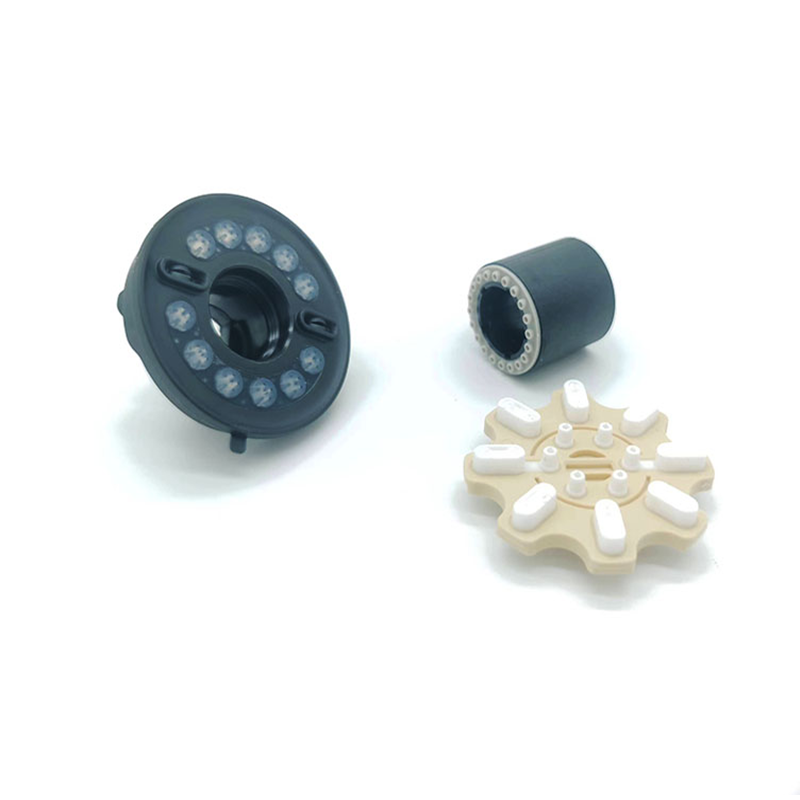
During this stage, it is imperative to maintain a contaminant-free environment within the mold, as any impurities could hinder the bonding process between the silicone and substrate. Proper mold preparation is vital for achieving a strong adhesion and a seamless finish in the final product.
-
Silicone Injection
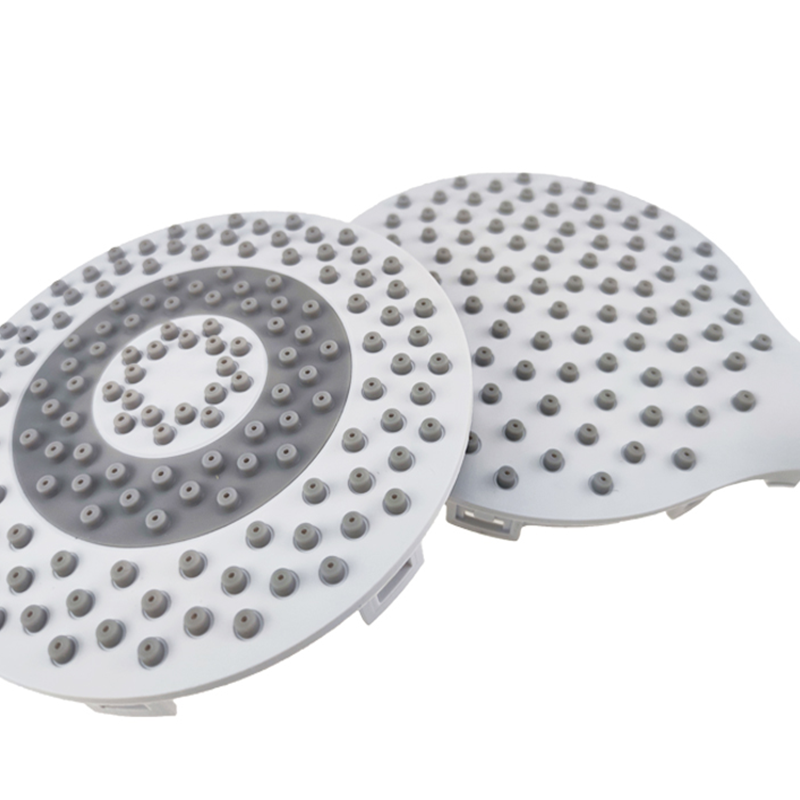
Liquid Silicone Rubber (LSR) is the preferred material for overmolding shower nozzles due to its exceptional characteristics, including flexibility, heat resistance, and water repellency. During this phase, the LSR is injected into the mold, where it flows around the substrate, filling intricate designs and forming the exterior layer of the shower nozzle.
Following injection, the silicone undergoes a curing process, often involving heat application to solidify the material and establish a robust bond with the substrate. This curing not only enhances the silicone’s strength and elasticity but also ensures it retains its shape and performance attributes during regular use.
-
Post-Molding Finishing
After the silicone has fully cured and the overmolding process is complete, the finished nozzle may go through additional finishing procedures. These can include trimming excess material, applying surface treatments to improve aesthetics or grip, and conducting thorough quality inspections. Each nozzle is meticulously evaluated for structural integrity, water resistance, and overall appearance before being approved for packaging and distribution.
This final stage is crucial for ensuring that the product meets stringent quality standards, particularly in consumer applications such as shower nozzles, where functionality, safety, and visual appeal are paramount.
Key Benefits of Overmolding for Silicone Shower Nozzles
The overmolding process provides several significant advantages in the production of silicone shower nozzles, establishing it as the ideal manufacturing method for this application. Here are some primary benefits:
-
Enhanced Durability and Strength
The overmolding of a resilient silicone layer onto a rigid substrate yields a shower nozzle that harnesses the best properties of both materials. The rigid base provides structural strength, while the silicone imparts flexibility and impact resistance. This combination results in nozzles that are highly resistant to cracking, warping, or leaking, even under continuous exposure to water and variable temperatures.
-
Superior Water Sealing Performance
Silicone’s well-known water-resistant properties make it an excellent choice for applications like shower nozzles. Overmolding creates a tight, seamless bond between the silicone and the substrate, effectively preventing water leaks and maintaining optimal flow. This capability is critical for shower nozzles, where secure sealing is essential to avoid water escaping through joints or connections.
-
Improved User Experience
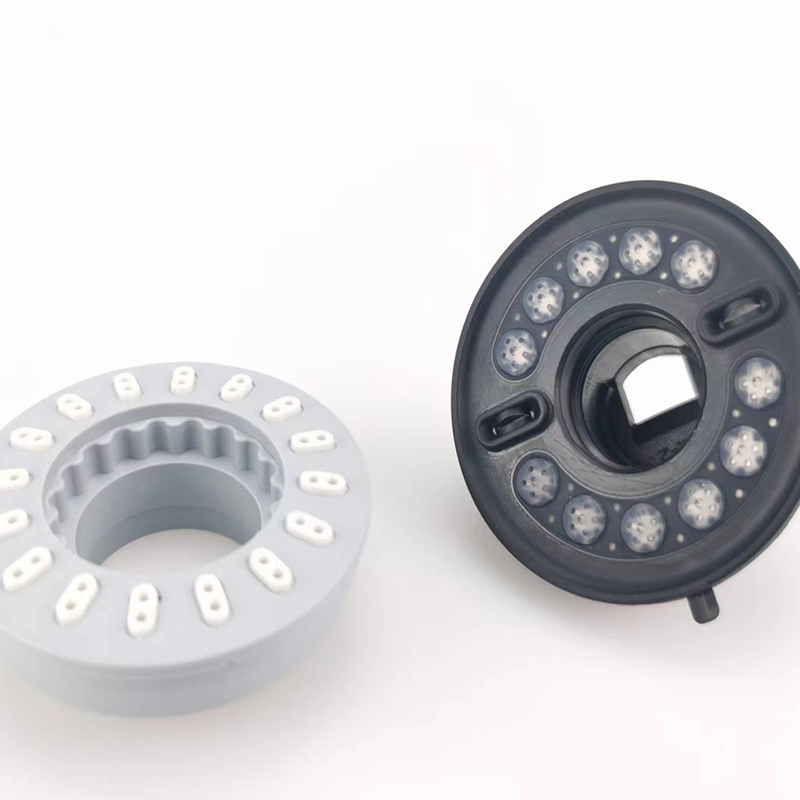
The tactile softness of silicone significantly enhances user comfort. By overmolding silicone onto the exterior of shower nozzles, manufacturers can produce products that are not only durable but also comfortable to handle. This is particularly beneficial for handheld showerheads, where grip and usability are vital for customer satisfaction.
Furthermore, silicone’s flexibility allows for innovative nozzle designs, such as adjustable spray patterns or easy-to-clean surfaces, adding to the overall functionality and appeal of the product.
-
Design Flexibility
Overmolding also provides significant design and aesthetic flexibility. Silicone can be molded in various colors and textures, enabling manufacturers to create visually appealing shower nozzles that meet diverse consumer preferences. Whether opting for a sleek, modern appearance or a vibrant color scheme, overmolding facilitates endless customization options.
-
Streamlined Production Efficiency
From a manufacturing perspective, overmolding is a highly efficient process. Since silicone is directly molded onto the substrate, there is no need for secondary assembly or adhesive bonding, which can save time and minimize the potential for defects. This efficiency makes overmolding a cost-effective and scalable solution for producing high-quality shower nozzles.
The Superiority of Silicone for Shower Nozzles
Silicone’s distinctive properties render it the optimal material for overmolding in shower nozzle applications. Its flexibility, durability, and resistance to water, heat, and chemicals ensure long-lasting performance, even in challenging environments. Additionally, silicone’s non-toxic and hypoallergenic characteristics make it a safe option for products that come into contact with water and skin.
Moreover, silicone’s natural resistance to mold and mildew is particularly advantageous in wet settings, ensuring that silicone shower nozzles remain clean and easy to maintain over time.
Conclusion
The overmolding process is integral to producing high-quality silicone shower nozzles, effectively combining the strength of a rigid substrate with the flexibility and water resistance of silicone. This innovative technique enhances product durability and functionality while streamlining production, allowing manufacturers to deliver superior products efficiently.
By leveraging overmolding, manufacturers can create shower nozzles that offer exceptional performance, aesthetic appeal, and user comfort, all while withstanding the rigors of everyday use. For consumers, this translates to an enhanced shower experience, with nozzles that are durable, leak-proof, and easy to maintain.