
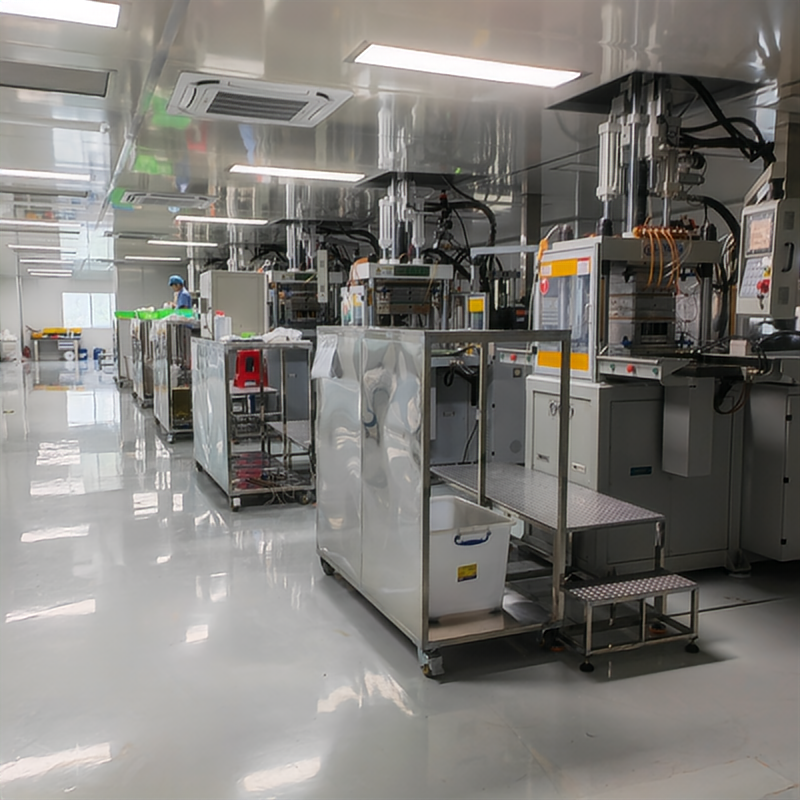
In the world of manufacturing, the injection molding process stands out for producing a diverse range of components using materials like thermoplastics and thermosets. Among thermosets, Liquid Silicone Rubber (LSR) has emerged as a top choice due to its efficiency, cost-effectiveness, and unique properties. LSR injection molding transforms uncured liquid silicone into durable, flexible parts, making it ideal for products such as gaskets, kitchen tools, and over-molded components.
In this guide, we’ll delve into the intricacies of LSR injection molding, covering everything from processing equipment and working principles to applications and benefits. Whether you’re considering manufacturing silicone products or exploring LSR technology’s advantages, this guide provides essential insights.
An Overview of Liquid Silicone Rubber
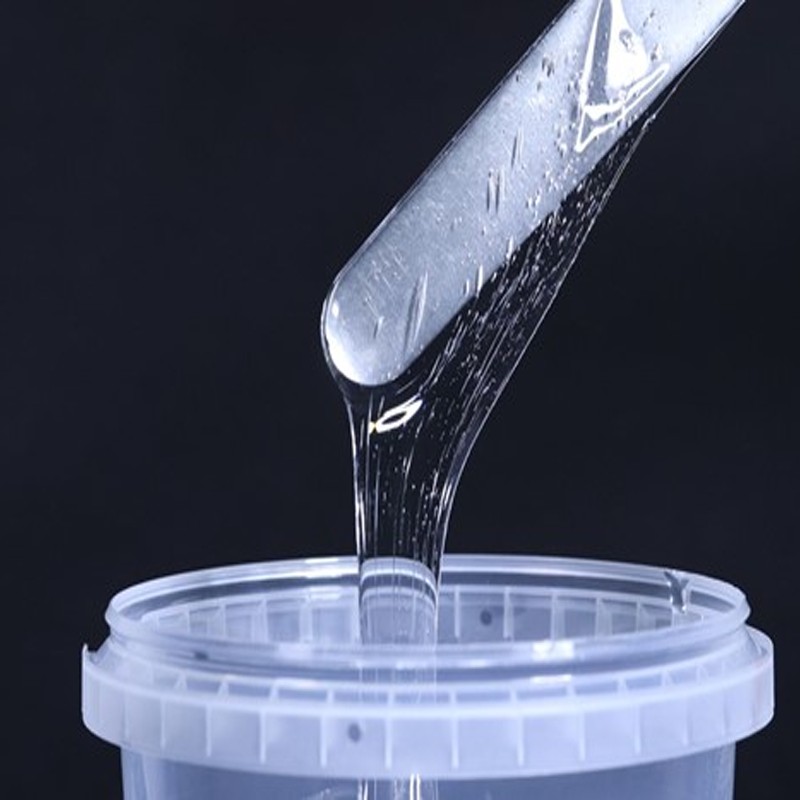
Liquid Silicone Rubber is a high-purity, platinum-cured silicone characterized by its remarkable fluidity and versatility. Its molecular structure consists of alternating silicon and oxygen atoms with methyl or vinyl side groups. These groups endow LSR with exceptional hydrophobic properties, making it ideal for electrical insulation.
Key Properties of LSR:
– Odorless and Tasteless: Safe for food-grade and baby products.
– Superior Mechanical Performance: High elongation, tensile strength, and flexibility.
– Exceptional Durability: Resists extreme temperatures and environmental conditions.
– Chemical Resistance: Withstands water, oxidation, and various chemical solutions.
– Temperature Stability: Retains properties from -60°C to 250°C.
– Biocompatibility: Safe for human contact and resistant to bacterial growth.
– Electrical Insulation: Exceeds traditional insulating materials.
– Customizable Transparency and Color: Easily pigmented for custom designs.
What Is Liquid Silicone Rubber Injection Molding?
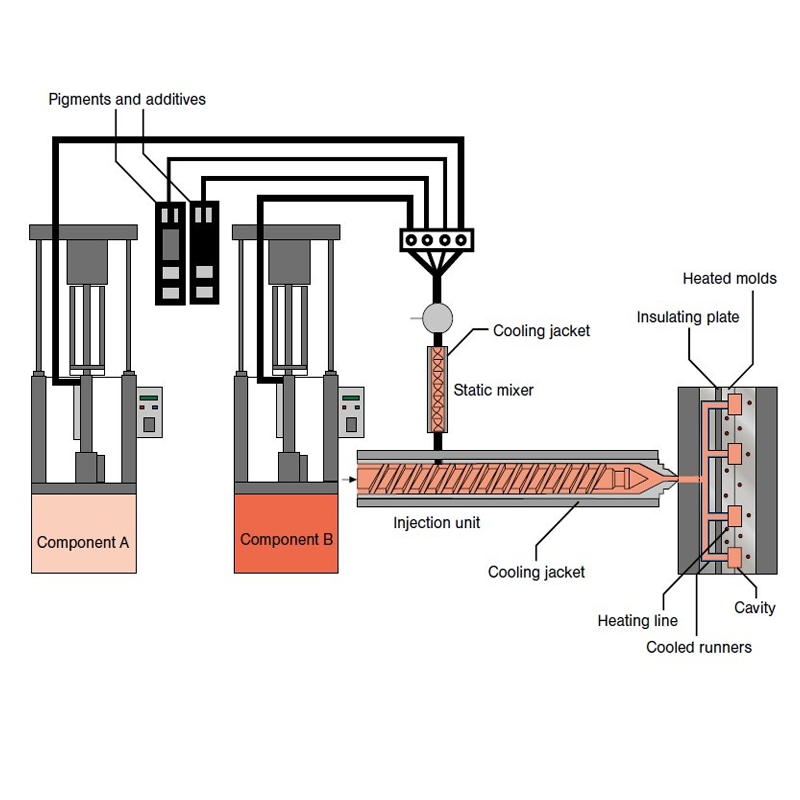
LSR injection molding, also known as Liquid Injection Molding (LIM), is a thermosetting process that mass-produces flexible, durable, and precision-engineered silicone parts. The process involves blending two components—a silicone base and a platinum catalyst—then injecting this mixture into a heated mold where it cures.
Key Steps in LSR Injection Molding:
- Molding Tool Creation: Fabrication of a precise mold using CNC machining.
- Material Preparation: Mixing silicone base and catalyst in a 1:1 ratio, with optional pigments.
- Material Injection: High-pressure injection into the mold cavity.
- Curing: Heating the filled mold to solidify the silicone.
- Cooling and Demolding: Removing the finished part after it cools.
- Secondary Operations: Post-molding processes like trimming or assembly.
Advantages of LSR Injection Molding
LSR injection molding offers numerous benefits that make it an optimal choice for manufacturing precision silicone parts:
– Durability: Outstanding resistance to UV rays and ozone, ideal for demanding applications.
– High-Precision Manufacturing: Enables complex designs with tight tolerances.
– Minimized Flash: Low viscosity reduces flash, improving efficiency.
– Automated Manufacturing: Enhances reliability and reduces human error.
– Consistent Product Quality: Ensures uniformity across all parts.
– High-Volume Production: Efficiently produces complex parts in large quantities.
– Reduced Waste: Environmentally friendly with minimal material waste.
– Improved Safety: Automation reduces operator interaction with molds.
Essential Equipment for LSR Injection Molding
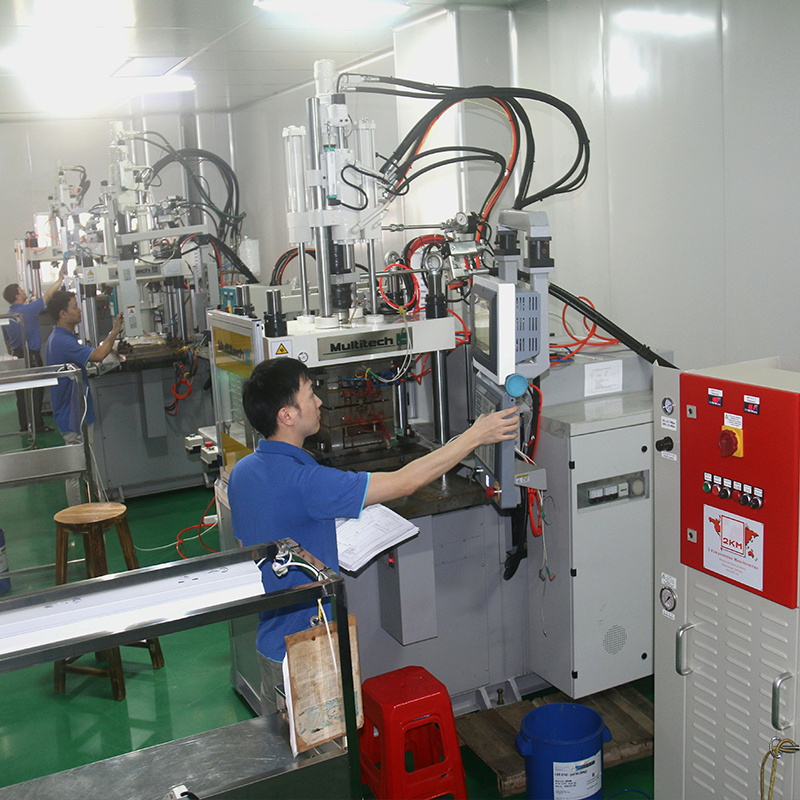
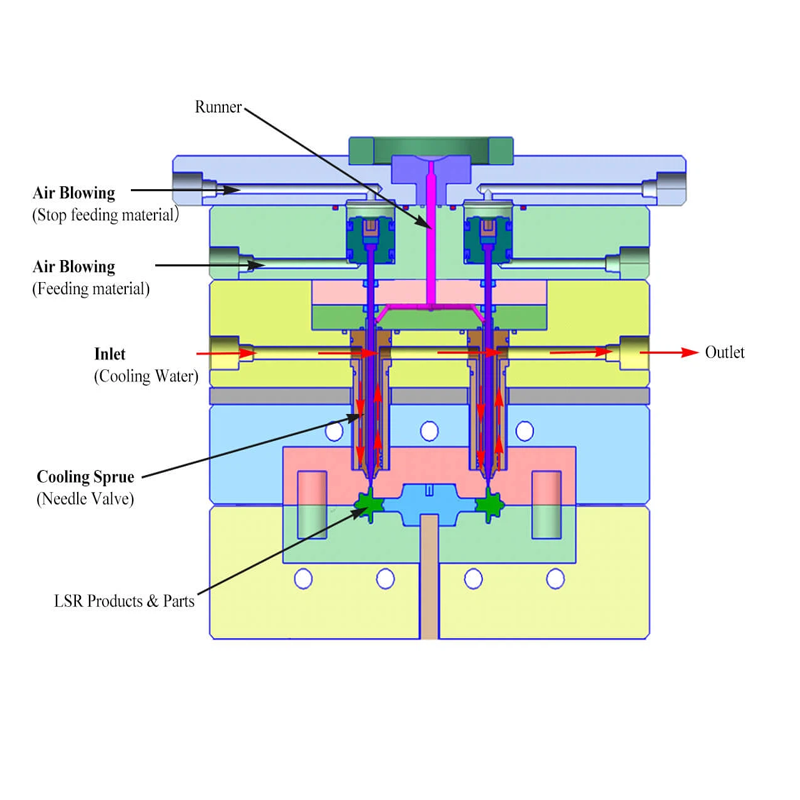
Key components of an LSR injection molding machine include:
– Injection Unit: Pressurizes the liquid silicone mixture for injection.
– Metering System: Ensures accurate mixing of silicone base and catalyst.
– Supply Containers: Hold raw materials for the metering system.
– Mixing System: Blends materials into a homogeneous mixture.
– Injection Nozzle: Directs the silicone into the mold.
– Mold Clamping System: Secures the mold during the injection process.
LIM Silicone Molding vs. Compression Molding
Both LIM and compression molding are used in silicone processing but differ in several ways:
– Process Distinction: LIM uses injection, while compression relies on force to shape silicone.
– Cost Efficiency: Compression molding is often cheaper; LIM requires advanced technology.
– Speed and Efficiency: LIM allows faster cycle times and greater automation.
– Product Versatility: LIM produces parts with precision; compression is versatile for various thicknesses.
– Application Differences: LIM excels in high-performance applications, while compression molding is suited for everyday items.
Applications of LSR Injection Molding
LSR injection molding serves various industries, offering precision and efficiency in:
- Medical and Healthcare: Producing biocompatible medical devices like seals, gaskets, and surgical instruments.
- Automotive Industry: Components like seals and gaskets that withstand extreme conditions.
- Kitchenware Applications: Durable and flexible kitchen items, such as utensils and bakeware.
- Electronics: Keypads, connectors, and gaskets that require excellent insulation.
- Consumer Goods: Everyday items like toys and personal care products.
Summary
Liquid Silicone Rubber injection molding is a versatile and efficient manufacturing process, known for producing high-quality silicone parts. With its unique properties and adaptability across industries, LSR is a valuable material for creating reliable and durable products. Whether you are looking to leverage LSR technology or explore its applications, understanding its benefits can significantly enhance your manufacturing capabilities.