
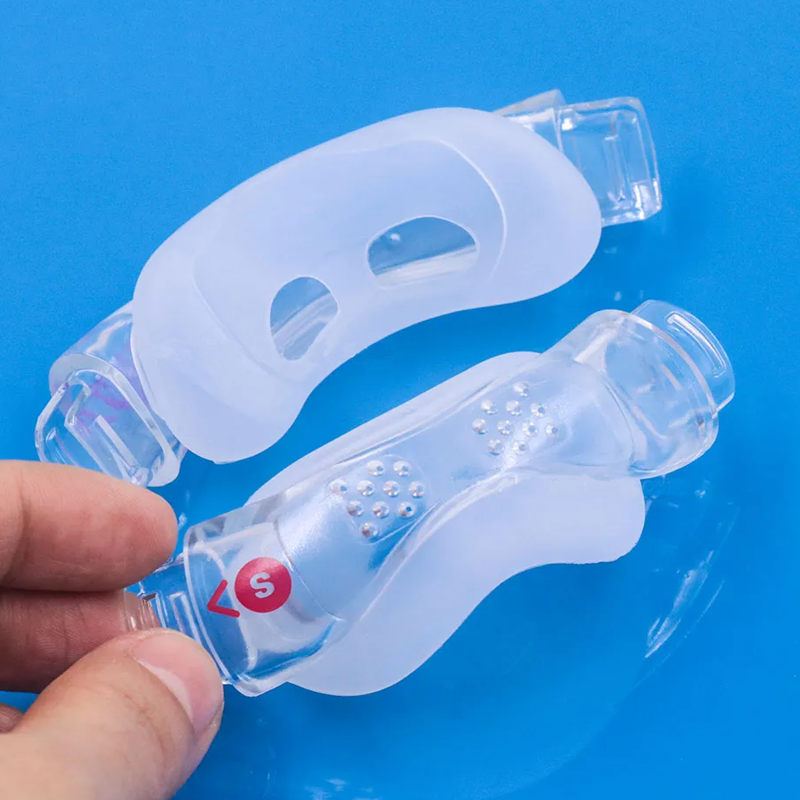
In today’s manufacturing landscape, plastic and liquid silicone rubber (LSR) overmolding has become a popular and effective method for producing high-performance, multi-material components. This advanced manufacturing technique combines the best properties of both materials, providing flexibility, durability, and precision. In particular, the overmolding of LSR onto plastic substrates has opened new possibilities in the production of silicone products across various industries, including medical devices, consumer electronics, automotive components, and more.
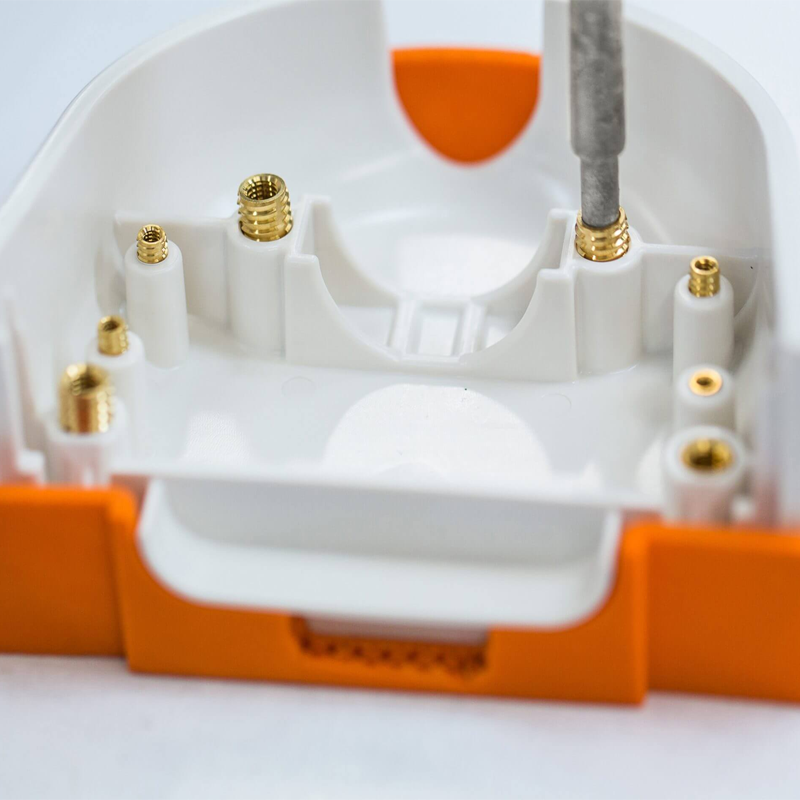
This blog will delve into the intricacies of plastic and LSR overmolding, its advantages for silicone products, and the common applications of this method.
What is Plastic and LSR Overmolding?
Plastic and LSR overmolding is a two-step injection molding process that involves molding one material (usually plastic) and then overmolding it with liquid silicone rubber (LSR). The plastic forms the rigid base or substrate, while the LSR acts as a soft, flexible overlayer. The two materials bond together during the process, creating a single, integrated part with multiple functional properties.
The key to successful overmolding is ensuring proper adhesion between the two materials. Unlike mechanical bonding methods such as gluing, overmolding relies on chemical adhesion during the curing process, creating a seamless bond between the plastic and LSR. This enhances the product’s durability, appearance, and overall functionality.
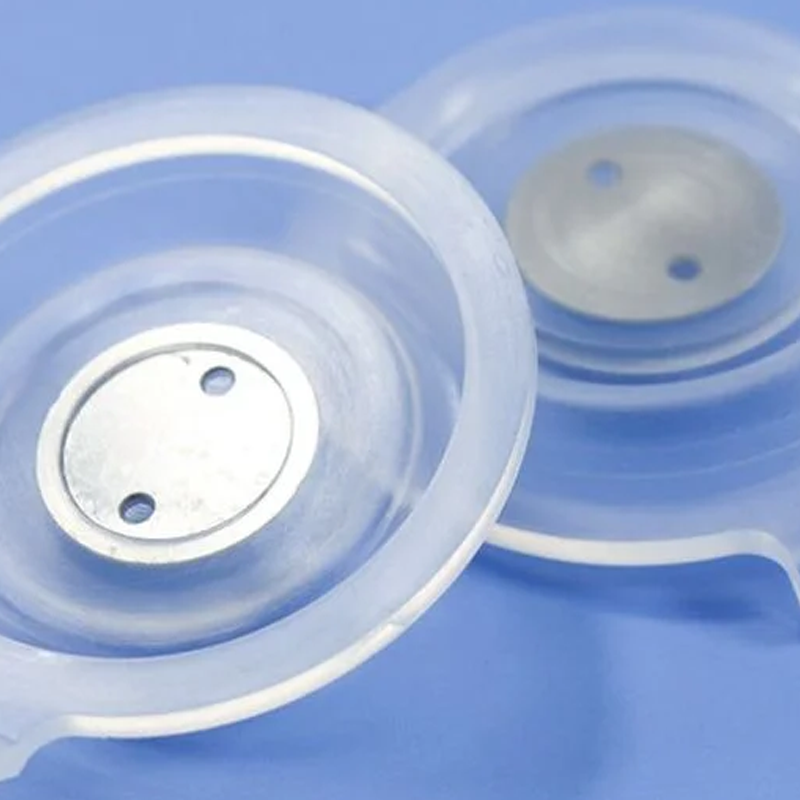
The Overmolding Process
The plastic and LSR overmolding process can be broken down into several steps:
- Injection Molding of Plastic Substrate: The process starts by injection molding the rigid plastic substrate. This material forms the foundation of the product and provides strength and structural integrity.
- Placing the Substrate in a Second Mold: Once the plastic component is molded, it is transferred to a second mold, specifically designed for the overmolding process. In some cases, the same mold can be used if designed with dual-shot capabilities.
- Injecting Liquid Silicone Rubber (LSR): Liquid silicone rubber is then injected onto or around the plastic substrate in a heated mold. The LSR flows into the mold cavity, encapsulating or partially covering the plastic part.
- Curing and Bonding: The LSR cures quickly in the heated mold, forming a strong bond with the plastic. This process results in a single, unified product that combines the properties of both materials.
- Ejection and Post-Processing: After curing, the overmolded part is ejected from the mold. Depending on the product design, minimal post-processing may be required, such as trimming excess material or performing quality checks.

Applications of Plastic and LSR Overmolding in Silicone Products
Plastic and LSR overmolding is widely used in the production of silicone-based products, offering numerous benefits across a range of industries.
-
Medical Devices
One of the primary industries that benefit from LSR overmolding is the medical device sector. Silicone’s biocompatibility, flexibility, and resistance to bacteria make it ideal for products such as medical breathing masks, catheters, syringe plungers, and seals. Overmolding LSR onto plastic substrates in these devices allows manufacturers to create soft, skin-friendly contact surfaces while maintaining the structural rigidity necessary for performance.
In these products, the soft silicone overlayer ensures patient comfort, while the plastic base provides strength and form. Additionally, the seamless bond created by overmolding ensures that there are no sharp edges or uncomfortable seams, further enhancing the user experience.
-
Consumer Electronics
In the realm of consumer electronics, overmolding has become essential for creating durable, user-friendly components. Products such as smartphone cases, wearable devices, and headphones often require a combination of hard plastic for durability and soft silicone for comfort and flexibility. LSR overmolding enables manufacturers to create these hybrid products efficiently.
For example, smartphone cases can have a rigid plastic frame with a soft silicone exterior, providing impact resistance and a comfortable grip. Similarly, wearable devices, such as fitness trackers, benefit from the flexibility of silicone bands, which are overmolded onto the plastic electronic housing to ensure a tight, durable fit.
-
Automotive Components
The automotive industry is another sector that has embraced plastic and LSR overmolding for manufacturing critical components. Silicone’s resistance to extreme temperatures, oils, and chemicals makes it ideal for seals, gaskets, and keypads used in cars and other vehicles.
For example, automotive keypads made through overmolding combine a sturdy plastic base with a soft silicone exterior, ensuring durability while providing a tactile, user-friendly surface. Similarly, silicone seals and gaskets overmolded onto plastic components offer excellent performance in high-temperature environments, ensuring a long-lasting, reliable seal.
-
Baby and Childcare Products
Silicone is a preferred material for baby and childcare products due to its safety, softness, and durability. Overmolding silicone onto plastic substrates allows manufacturers to create products that are both functional and gentle for babies. Products such as baby spoons, cups, and teething toys often feature soft silicone components for safe contact with babies’ delicate skin and gums, while the plastic core adds strength and shape.
In these applications, LSR overmolding ensures that the silicone layer remains securely attached to the plastic base, providing peace of mind to parents that the product will not break or separate.
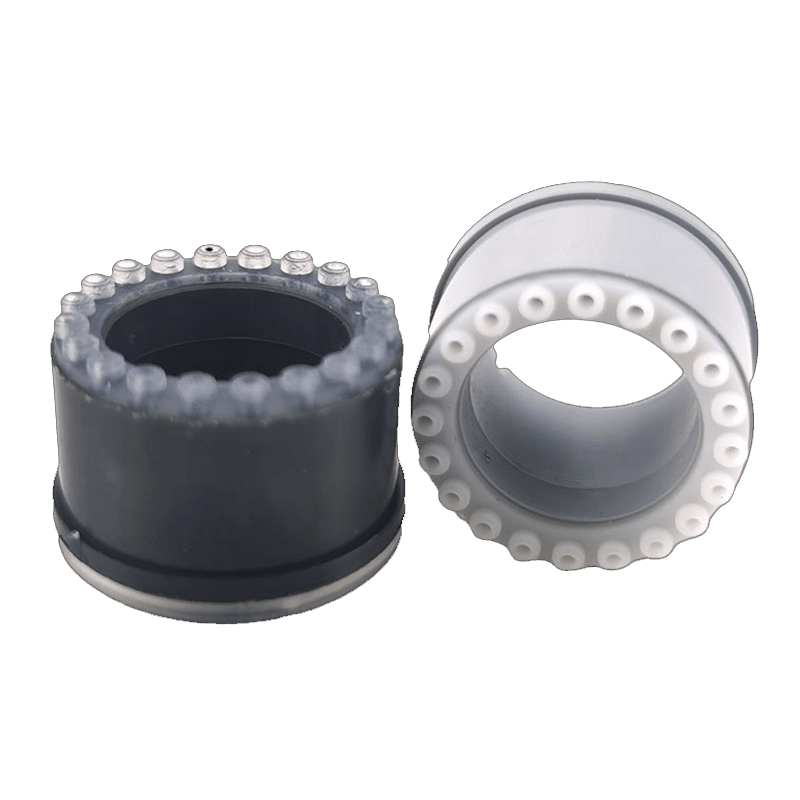
Advantages of Plastic and LSR Overmolding for Silicone Products
The advantages of plastic and LSR overmolding are numerous, especially when it comes to silicone products. Here are some key benefits:
-
Enhanced Product Durability
Overmolding creates a strong, seamless bond between plastic and silicone, resulting in a single, unified product. This bond is highly durable and can withstand repeated use, environmental exposure, and mechanical stress without degrading or separating.
-
Improved Comfort and User Experience
The soft, flexible nature of LSR provides a more comfortable experience for users, particularly in products that come into contact with the skin. Whether it’s a medical breathing mask or a wearable device, the silicone overlayer ensures comfort without sacrificing functionality.
-
Design Flexibility
Plastic and LSR overmolding offers significant design flexibility. Manufacturers can create complex shapes and multi-functional components by combining different materials in a single product. This opens up endless possibilities for innovation in silicone product design.
-
Cost-Effective Manufacturing
While the initial tooling costs for overmolding may be higher than other manufacturing methods, the process itself is highly efficient. The ability to combine materials into a single product eliminates the need for additional assembly steps, reducing labor costs and production time.
-
Customization Options
Overmolding also provides greater opportunities for product customization. Manufacturers can tailor the appearance, feel, and functionality of silicone products by varying the materials used in the overmolding process. This allows for the creation of custom solutions to meet specific industry needs or consumer preferences.
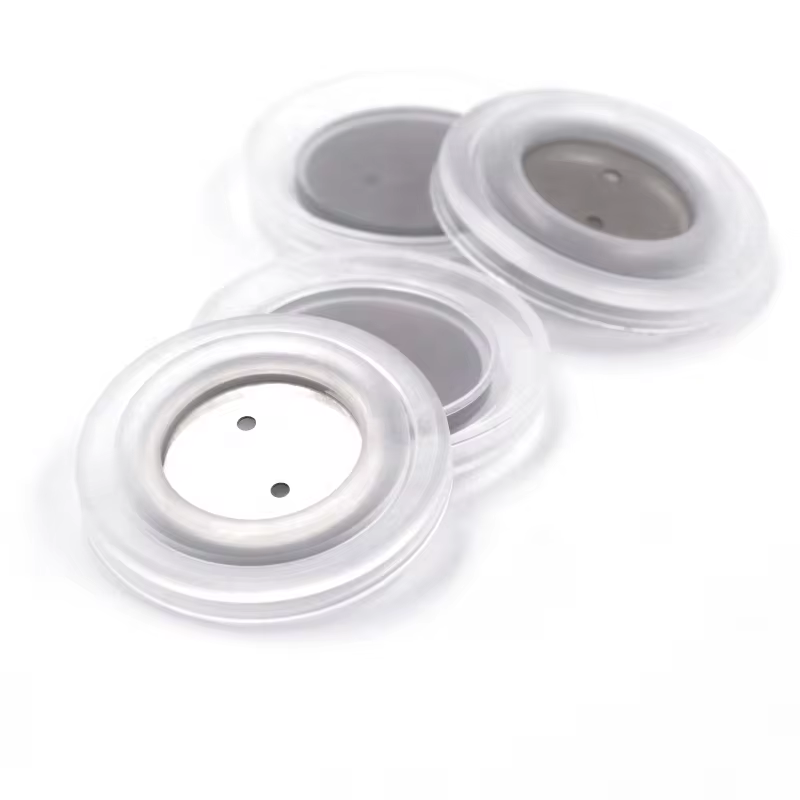
Customization Capabilities for Silicone Products
At the forefront of silicone product manufacturing, we offer extensive customization options for plastic and LSR overmolding. Whether you need a specific shape, size, or material combination, we can tailor our overmolding process to meet your unique requirements. Our capabilities include customizing the color, texture, hardness, and logos of silicone overmolded products, ensuring that every component is perfectly aligned with your brand and functionality needs.
Conclusion
Plastic and LSR overmolding is a versatile and powerful manufacturing method, particularly for silicone-based products. By combining the strengths of rigid plastic substrates and soft silicone overlays, this process enables the creation of durable, comfortable, and highly functional products across various industries. Whether in medical devices, consumer electronics, automotive components, or baby products, the advantages of overmolding are clear.
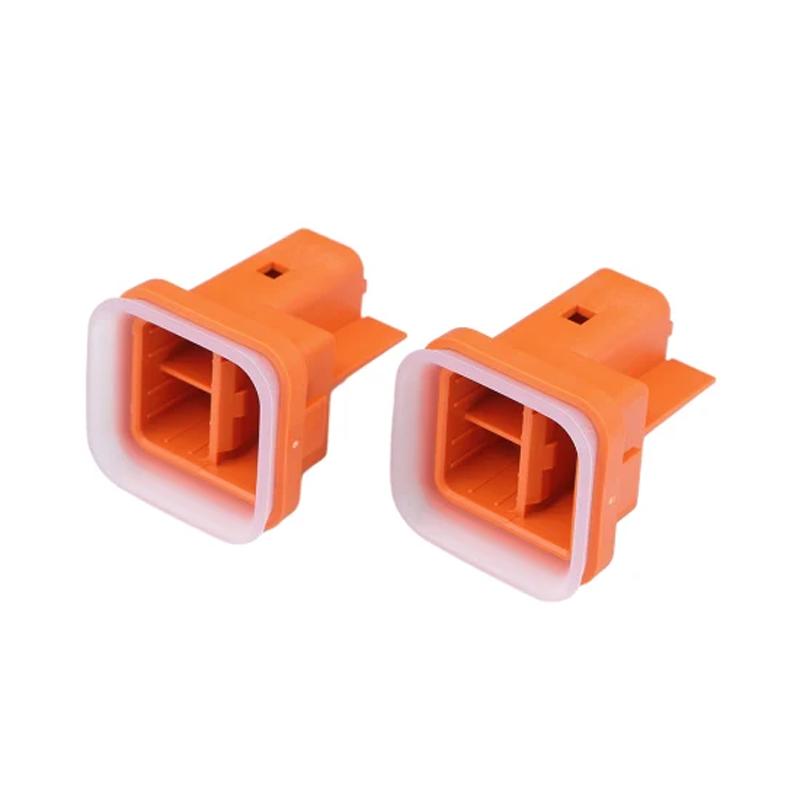
As a leading manufacturer in the silicone industry, we are equipped with the expertise and technology to deliver top-tier overmolded products. With our extensive customization capabilities, we can provide tailored solutions to meet your exact specifications, ensuring high-quality, innovative silicone products for any application.